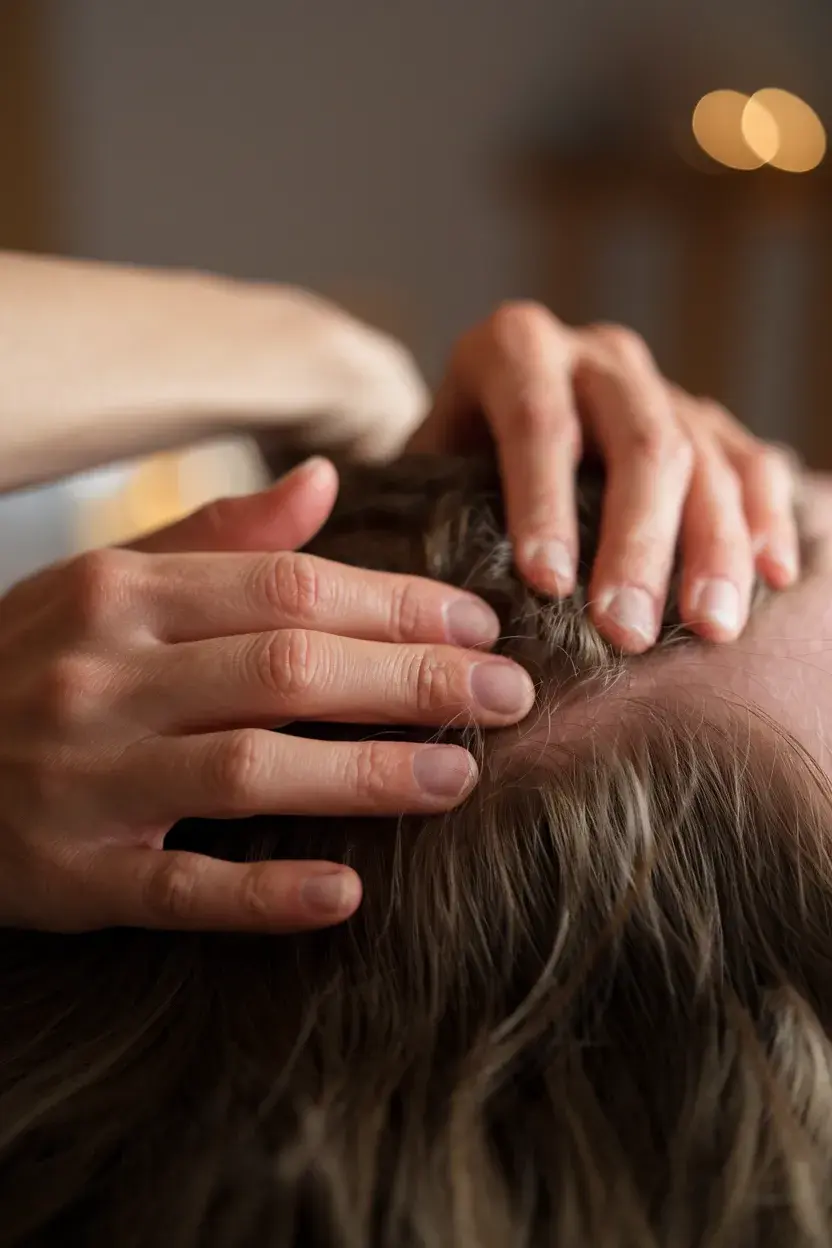
Tired of scrolling past hair growth products that cost a fortune and still leave your ponytail looking thin? You’re not alone.
So many of us are turning back to what our grandmothers already knew: nature’s pantry is full of ingredients that can support healthier, stronger, faster-looking hair growth — without the harsh chemicals or the scary price tag.
This list pulls together 21 of the most loved natural remedies for hair growth, from kitchen staples to age-old herbal treatments.
Oils & Massage-Based Remedies
1. Coconut Oil Scalp Massage
This one’s a classic for a reason.
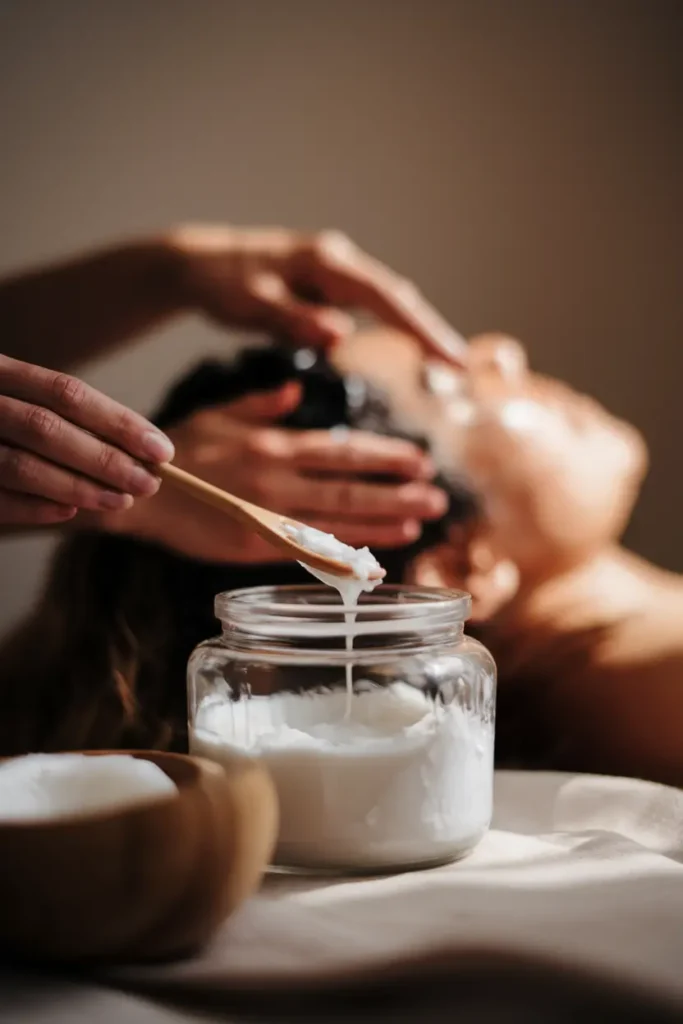
Warm a small amount of virgin coconut oil between your palms and massage it into your scalp in slow, circular motions for 5–10 minutes.
Coconut oil is prized for how deeply it can penetrate the hair shaft, helping to keep strands moisturized and reducing breakage from the root up.
Leave it on for at least 30 minutes (or overnight if you don’t mind a shower cap) before washing out.
Pin-worthy tip: Warm oil absorbs faster than cold — just don’t overheat it.
2. Castor Oil Treatment
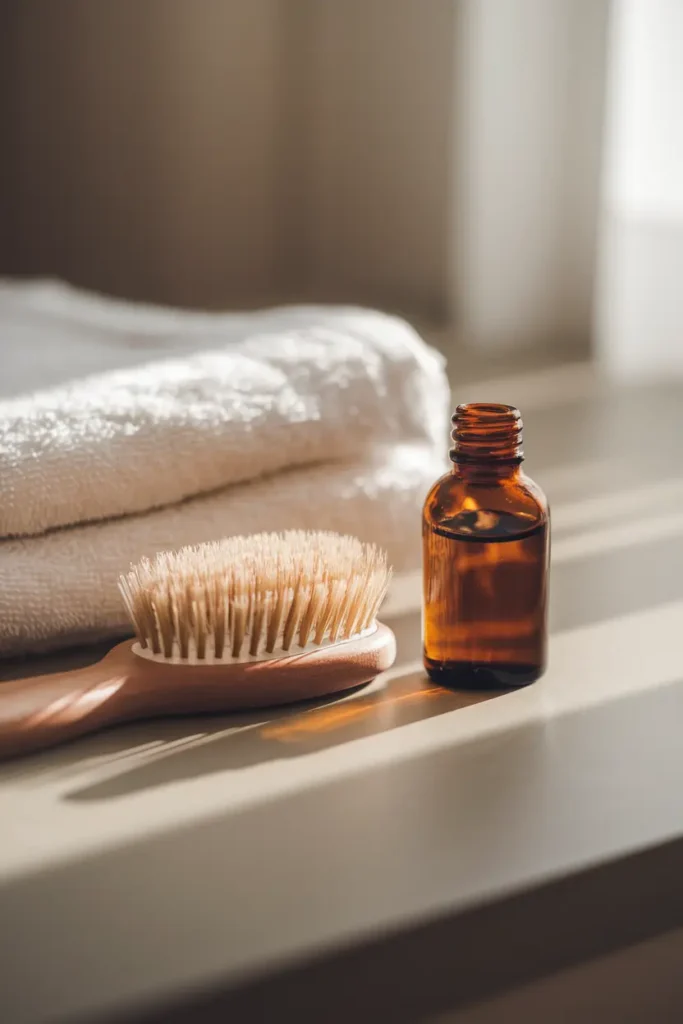
Thick, sticky, and slightly intimidating — but castor oil has earned a permanent spot in natural hair care routines.
Mix it with a lighter oil like jojoba or almond oil (about 1:1) to make it easier to spread, then massage into the scalp and through the ends.
Many people swear by it for making hair feel thicker over time.
Pin-worthy tip: Apply the night before wash day — it needs a little time to work its magic.
3. Rosemary Oil Rinse
If you’ve been on Pinterest or TikTok lately, you’ve probably seen rosemary oil everywhere — and for good reason.
It’s become one of the most talked-about natural remedies for scalp health.
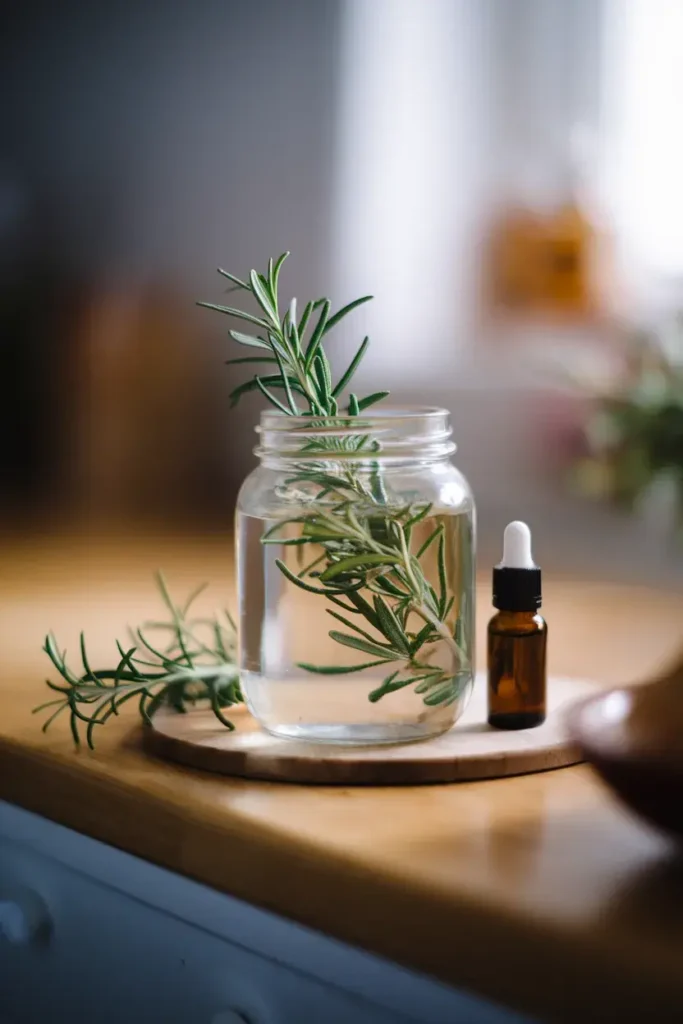
Mix a few drops of rosemary essential oil with a carrier oil (never apply essential oils directly to skin) and massage into the scalp 2–3 times a week.
Pin-worthy tip: A DIY rosemary water rinse (steeped fresh rosemary sprigs, cooled) is a gentler alternative to essential oil.
4. Peppermint Oil for Scalp Stimulation
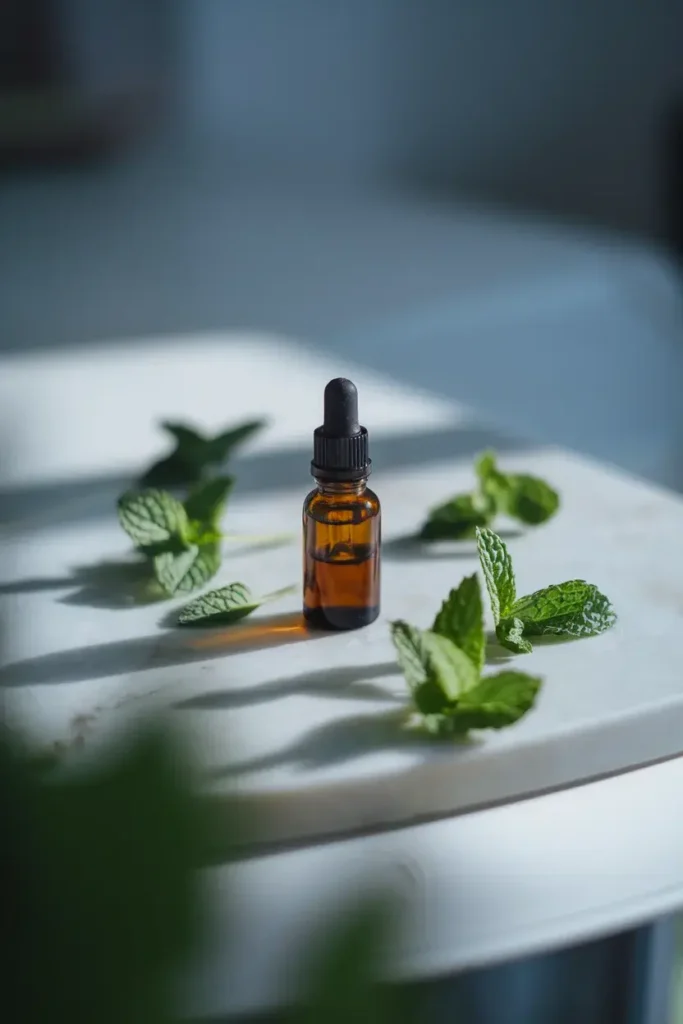
That cool, tingly feeling isn’t just satisfying — it’s often associated with increased blood flow to the area.
Dilute a couple of drops of peppermint essential oil into a tablespoon of carrier oil and massage into the scalp.
The tingle is instant; the benefits are believed to build with consistency.
Pin-worthy tip: Do a patch test first — peppermint oil is potent and can irritate sensitive skin.
5. Daily Scalp Massage (No Products Needed)
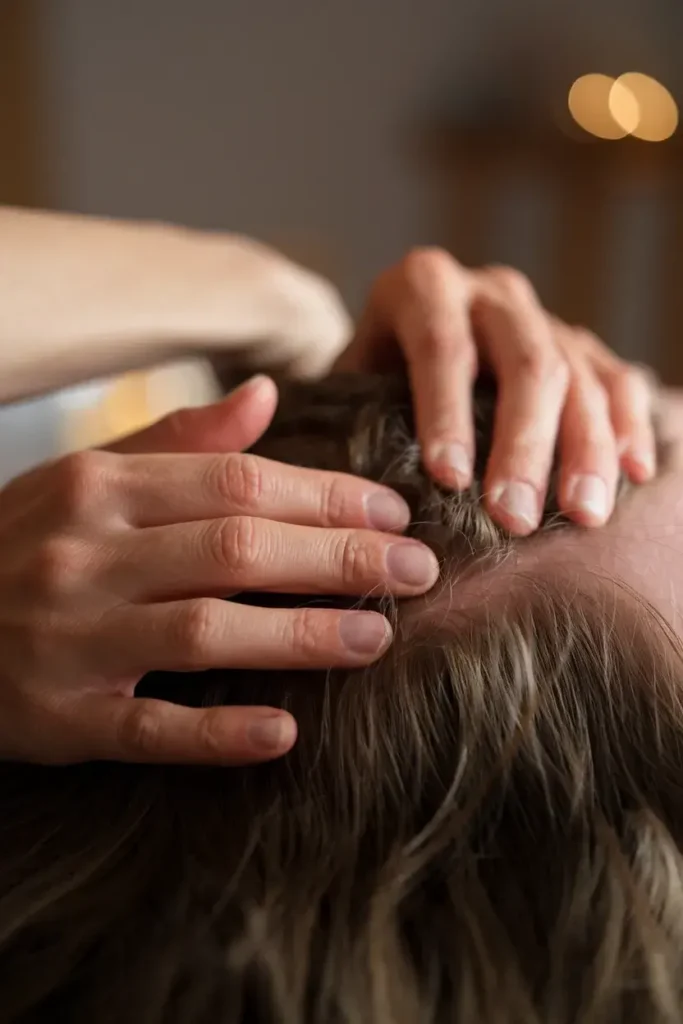
Sometimes the simplest remedy is the most underrated.
Just using your fingertips (not nails) to massage your scalp for 5 minutes a day is thought to boost circulation and help distribute your scalp’s natural oils more evenly.
Do it while watching TV, in the shower, or as part of your nightly wind-down.
Pin-worthy tip: Pair it with your favorite oil for double the benefit.
Kitchen Ingredient Remedies
6. Onion Juice Rinse
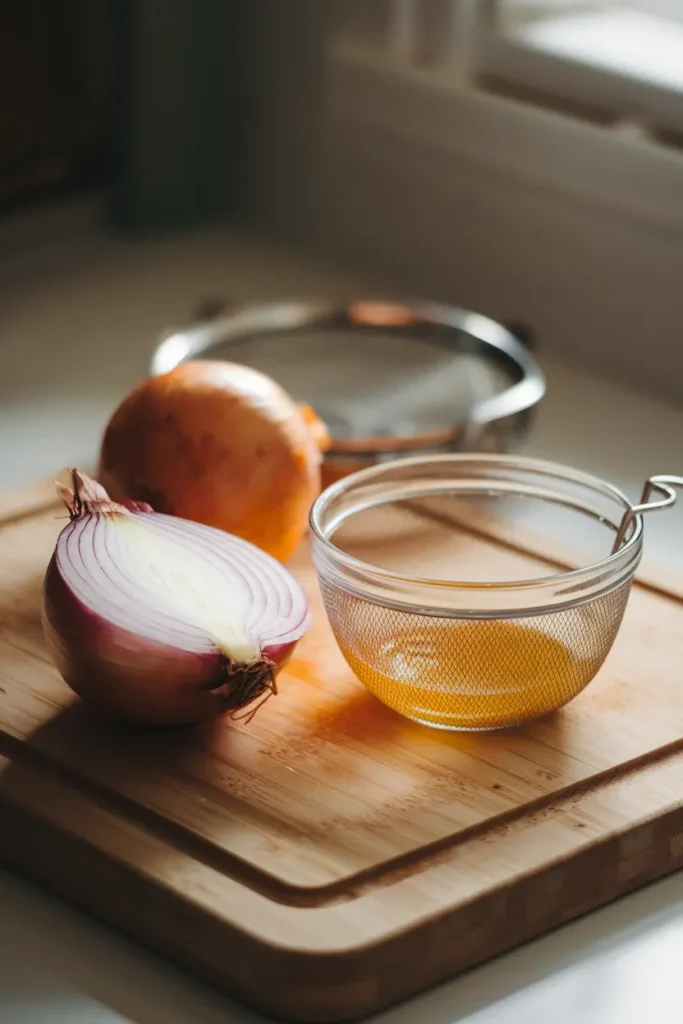
It sounds unusual, but onion juice has a loyal following in natural hair care circles.
Blend a small onion, strain out the juice, and apply directly to the scalp. Leave on for 20–30 minutes before rinsing thoroughly (and yes, shampoo twice to fully clear the smell).
Pin-worthy tip: Mix in a few drops of an essential oil like lavender to mask the scent.
7. Aloe Vera Gel Mask
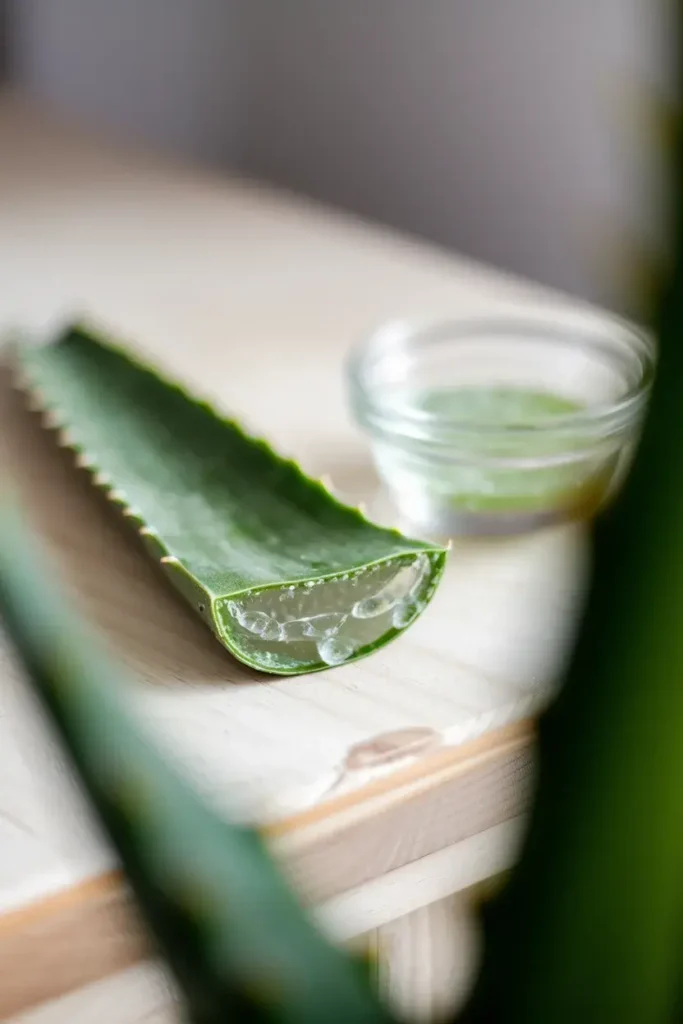
Fresh aloe vera gel, straight from the leaf, is wonderfully soothing for an irritated or flaky scalp. Apply generously, leave for 30–45 minutes, then rinse.
It’s light, cooling, and a great option if your scalp tends to feel sensitive or itchy.
Pin-worthy tip: Keep a peeled aloe leaf in the fridge for a spa-like cooling effect.
8. Egg & Yogurt Hair Mask
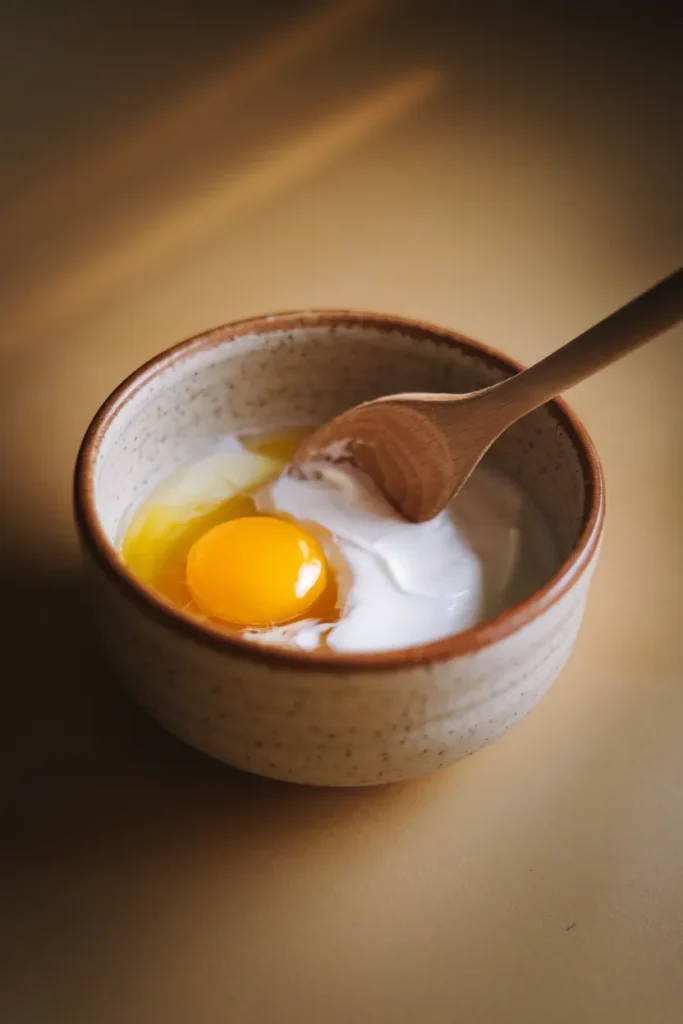
Eggs are rich in protein, which is essentially what your hair strands are made of.
Whisk one egg with a couple of tablespoons of plain yogurt, apply from root to tip, and let sit for 20 minutes before rinsing with cool water (hot water will cook the egg — trust me, avoid that).
Pin-worthy tip: Add a teaspoon of honey for extra shine and softness.
9. Green Tea Rinse
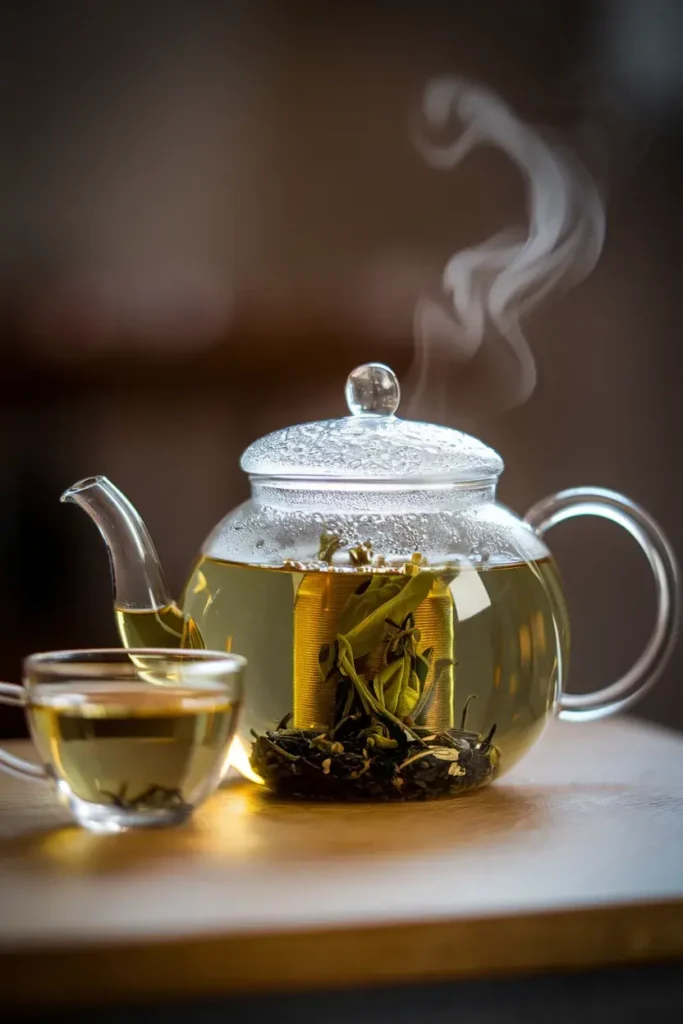
Brew a strong cup of green tea, let it cool completely, and use it as a final rinse after shampooing.
It’s a gentle, low-effort addition to your routine that many people incorporate simply because it feels refreshing and easy to keep up with.
Pin-worthy tip: Pour it into a spray bottle for mess-free application.
10. Apple Cider Vinegar Rinse
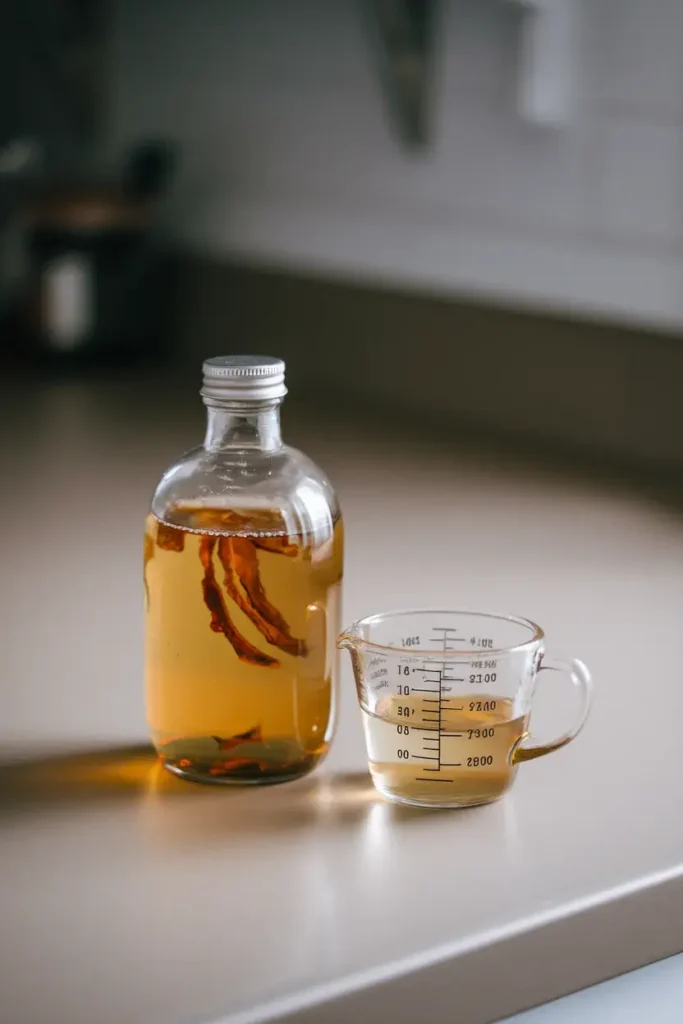
ACV has become a staple in natural hair routines for good reason — it’s believed to help balance the scalp’s pH and remove residue that regular shampoo can leave behind.
Mix 1–2 tablespoons of raw ACV with a cup of water and use as a post-shampoo rinse.
Pin-worthy tip: Always dilute — undiluted ACV can be too harsh on the scalp.
Herbal & Traditional Remedies
11. Fenugreek Seed Paste
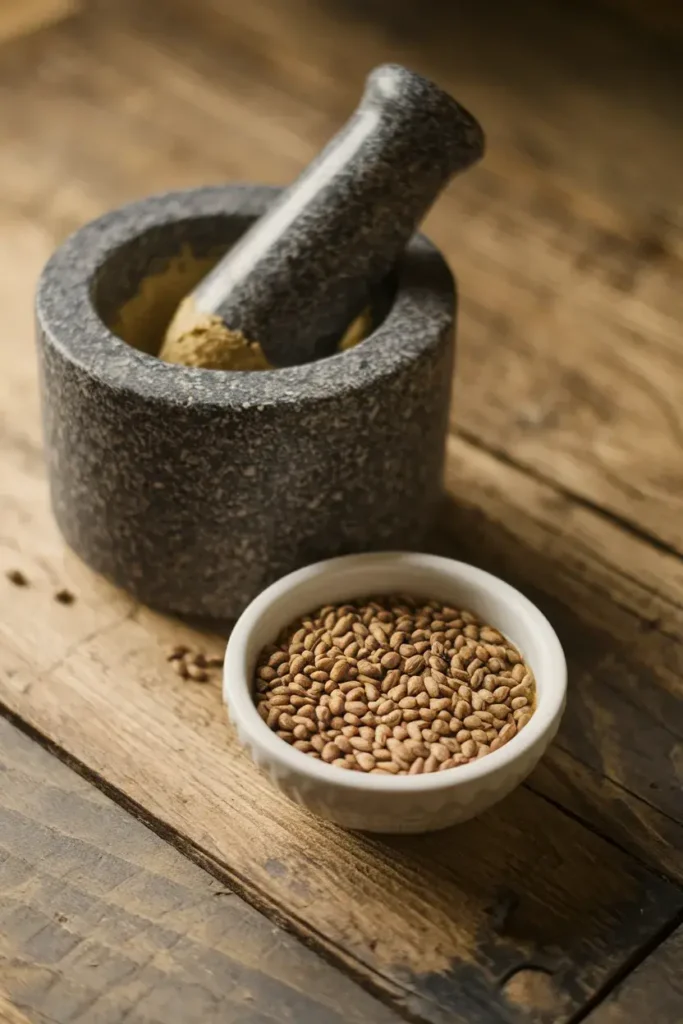
A staple in traditional South Asian hair care, fenugreek seeds are soaked overnight, then blended into a paste in the morning.
Apply to the scalp and let sit for 30–45 minutes before rinsing. It’s thick, a little messy, but many find it worth the effort.
Pin-worthy tip: Add a spoonful of yogurt to the paste to make it easier to spread and rinse out.
12. Hibiscus Flower & Leaf Mask
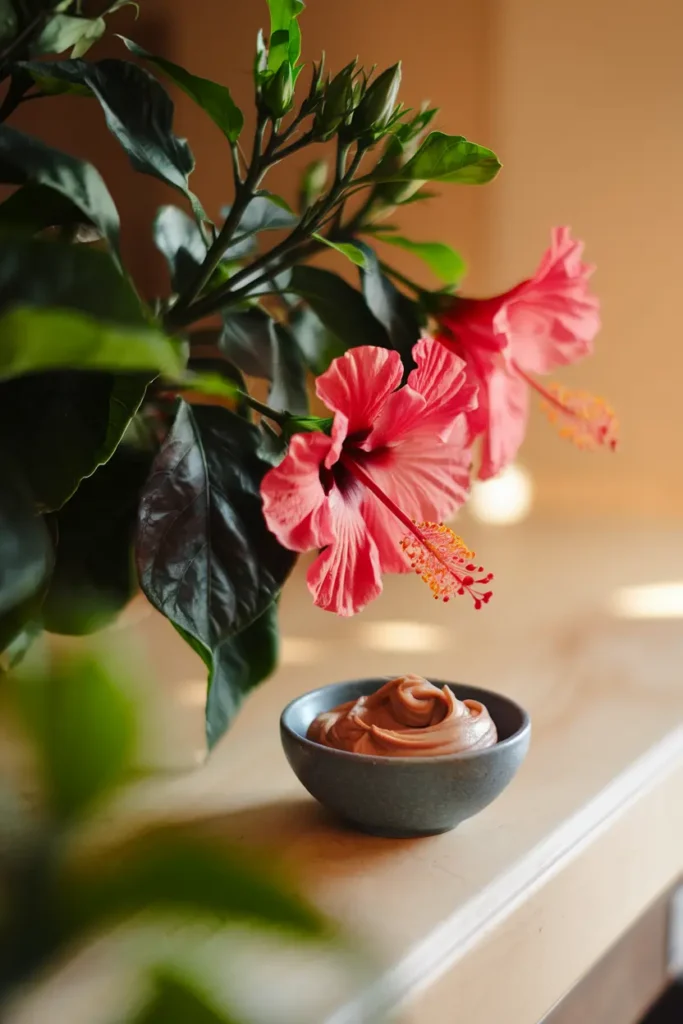
In Ayurvedic tradition, hibiscus has long been used for hair care.
Blend fresh hibiscus flowers and leaves into a paste (or use hibiscus powder mixed with water), apply to the scalp, and rinse after 30 minutes.
It’s a beautiful, garden-to-hair kind of remedy.
Pin-worthy tip: No fresh hibiscus nearby? Dried hibiscus powder from a natural foods store works just as well.
13. Amla (Indian Gooseberry) Oil
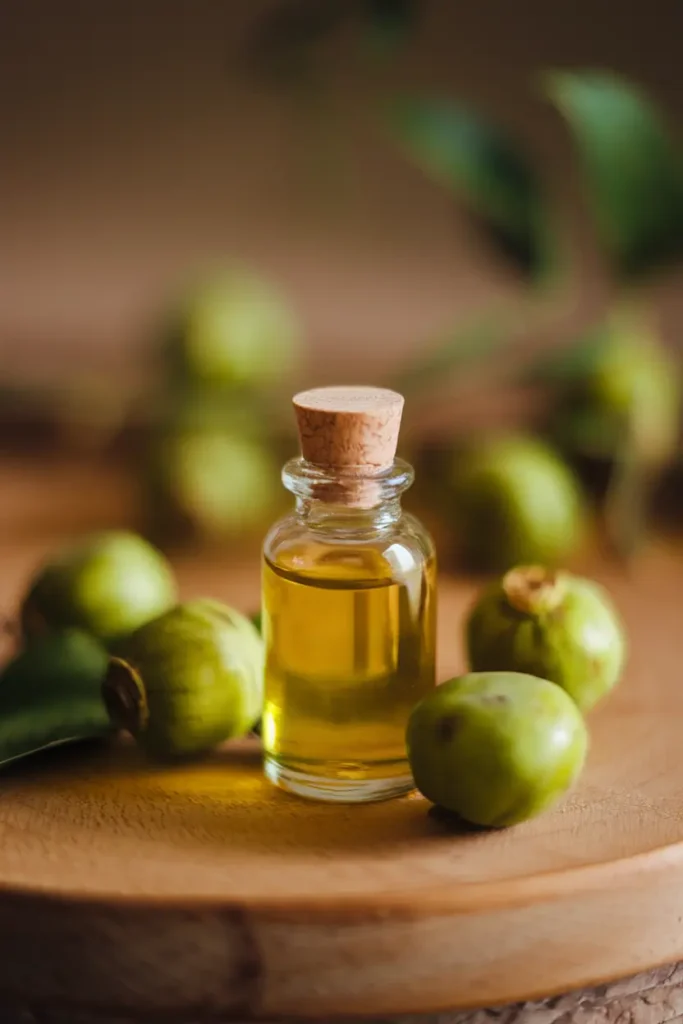
Amla has a long history in traditional hair care practices, often used as an oil infusion massaged into the scalp weekly.
It’s typically found pre-infused in oils at natural health stores, making it an easy addition to an existing routine.
Pin-worthy tip: Look for cold-pressed amla oil for the most traditional preparation.
14. Bhringraj Oil
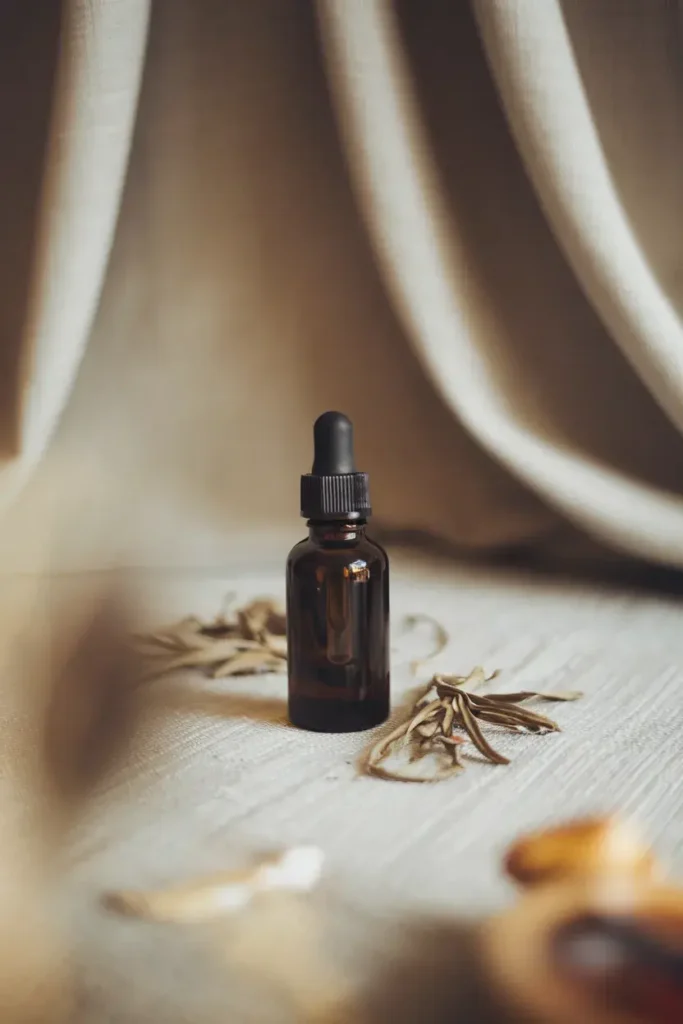
Sometimes nicknamed the “king of hair” in Ayurvedic practice, bhringraj oil is another traditional scalp treatment worth trying.
Massage into the scalp, leave on for at least an hour (or overnight), then wash out as usual.
Pin-worthy tip: Combine with coconut oil for a lighter, easier-to-rinse blend.
Lifestyle & Supporting Habits
15. Add More Biotin-Rich Foods to Your Plate
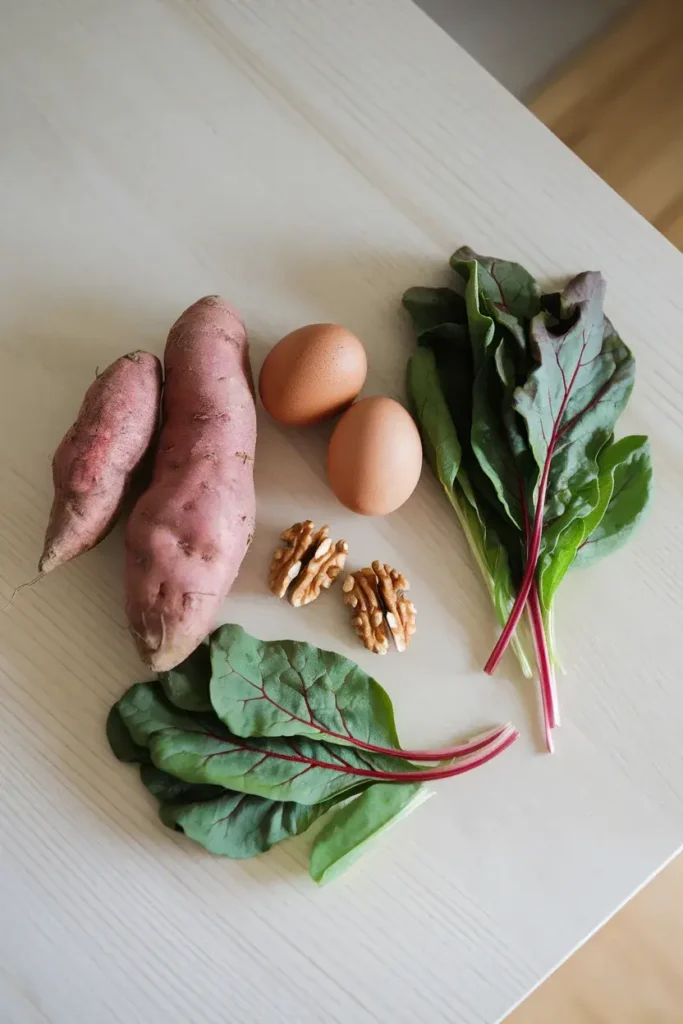
Healthy hair doesn’t just come from what you put on your scalp — it starts with what you eat.
Eggs, nuts, sweet potatoes, and leafy greens are commonly recommended as biotin- and nutrient-rich foods that support hair health from the inside out.
Pin-worthy tip: A simple daily habit — like adding a handful of walnuts to breakfast — is easier to stick with than a full diet overhaul.
16. Switch to a Silk Pillowcase

This tiny swap makes a bigger difference than you’d expect. Cotton pillowcases create friction overnight, which can lead to breakage and frizz.
Silk (or satin) pillowcases let hair glide instead of snag, which many people find helps hair look longer simply because there’s less breakage getting in the way.
Pin-worthy tip: Silk pillowcases are also gentler on skin — a nice bonus for your skincare routine too.
17. Get Regular Trims
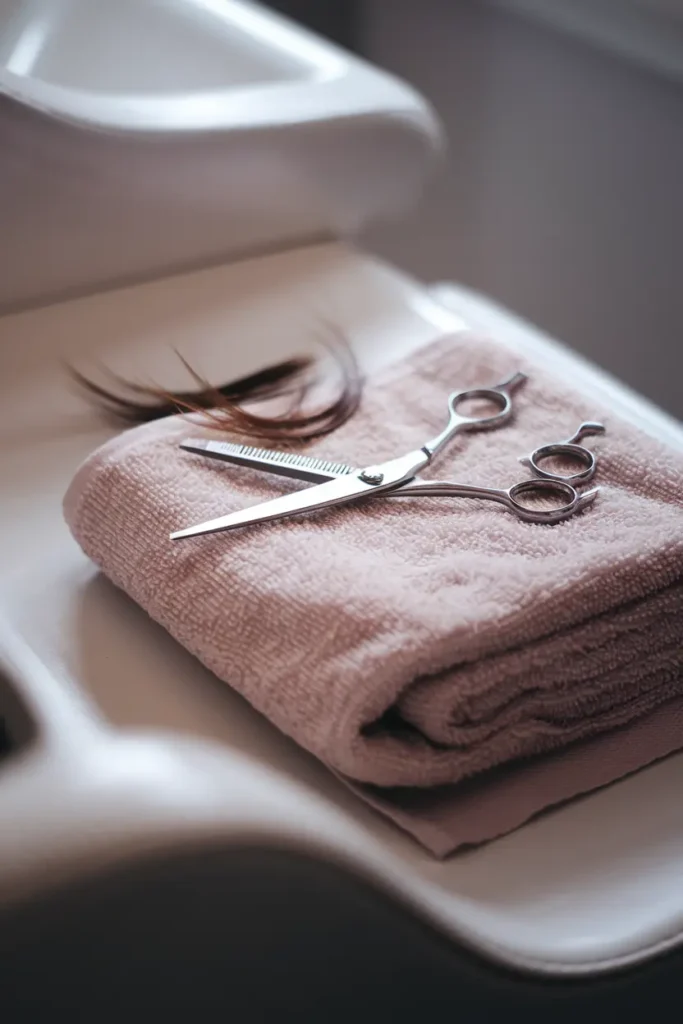
It sounds counterintuitive to cut hair when you’re trying to grow it, but trimming away split ends prevents them from traveling further up the hair shaft and causing more breakage.
A trim every 8–12 weeks helps your length actually stick around.
Pin-worthy tip: Ask your stylist for a “dusting” trim if you only want the bare minimum snipped off.
18. Manage Stress for a Healthier Scalp

Stress and hair health are closely linked in a lot of people’s experience — a stressed scalp can mean a stressed growth cycle.
Simple daily habits like deep breathing, short walks, or even five minutes of stillness can go a long way in supporting overall wellbeing, hair included.
Pin-worthy tip: Try pairing your nightly scalp massage (see #5) with a few minutes of deep breathing for double the calm.
Bonus: What to Avoid
19. Skip the Heat (As Much As You Can)
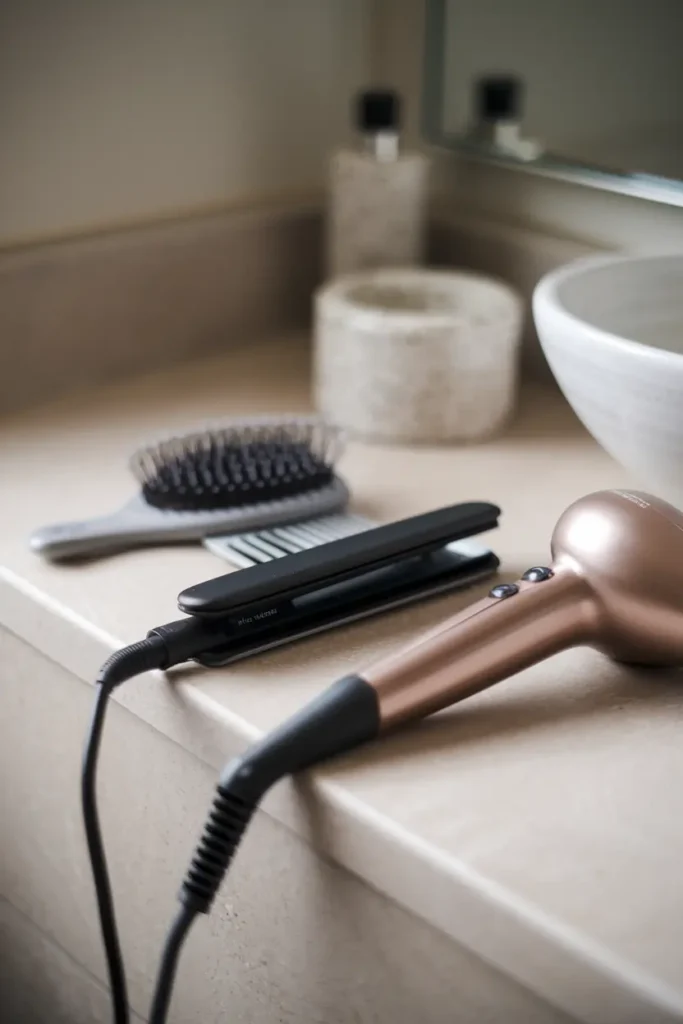
Daily flat ironing, blow-drying on high heat, and curling irons can quietly undo all your hard work.
When you do use heat tools, a heat protectant spray and the lowest effective setting go a long way in preventing damage.
20. Be Gentle When Brushing
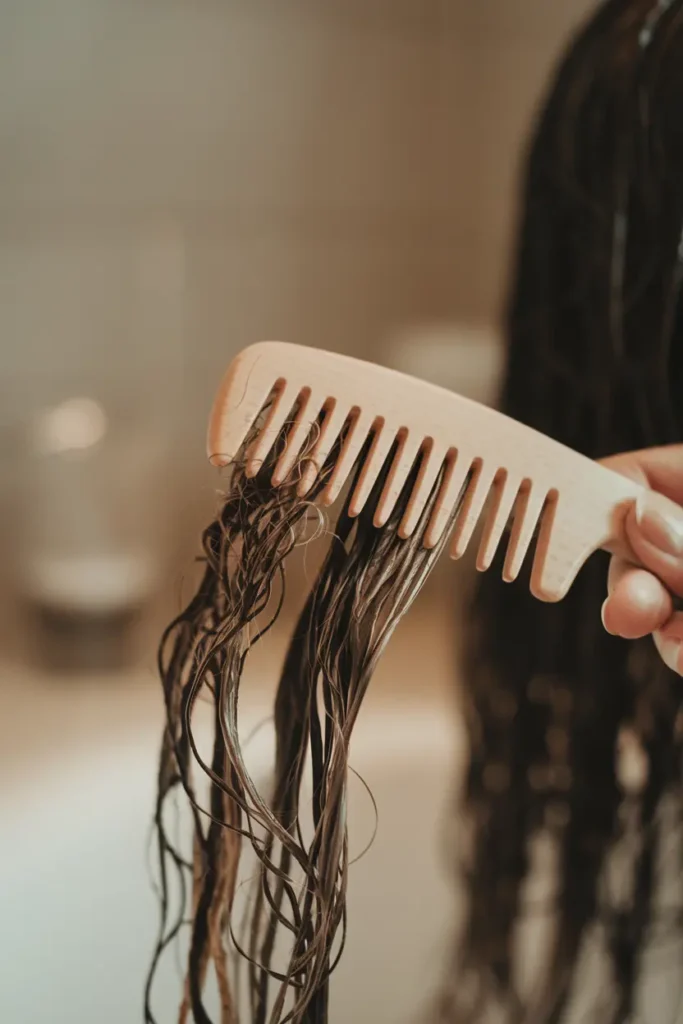
Aggressive brushing, especially on wet hair, is one of the sneakiest causes of breakage.
Use a wide-tooth comb on damp hair and start detangling from the ends, working your way up to avoid unnecessary pulling.
21. Loosen Up Your Hairstyles

Tight ponytails, buns, and braids worn constantly can cause tension at the hairline over time.
Alternating your hairstyles and giving your scalp a break every so often helps protect those delicate baby hairs along your part and hairline.
Final Thoughts
None of these remedies are magic overnight fixes — natural hair growth is a slow, gradual process, and the real secret ingredient is consistency.
Pick two or three remedies from this list that feel realistic for your routine, give them several weeks, and pay attention to how your hair and scalp respond along the way.
A note on accuracy: this article reflects traditional and commonly reported uses of these ingredients, not clinical claims.