If you’ve ever laid awake at 2 a.m. scratching a flare-up you swore you’d “fixed” last week, you already know eczema doesn’t play fair.
One day your skin looks calm, the next it’s red, dry, and screaming for relief — and every new lotion you try seems to make it worse before it makes it better.
The good news? You don’t need a cabinet full of expensive products to start feeling better. Many of the most soothing remedies are already sitting in your kitchen or bathroom cabinet.
Below are 15 natural, gentle ways to calm irritated skin, reduce itching, and support your skin barrier — plus how to use each one safely.
A quick note before we dive in: these remedies are meant to help manage mild eczema symptoms and support your skincare routine — they aren’t a replacement for medical treatment. If your eczema is severe, painful, oozing, or not improving, please see a dermatologist.
1. Soothe Skin with a Colloidal Oatmeal Bath
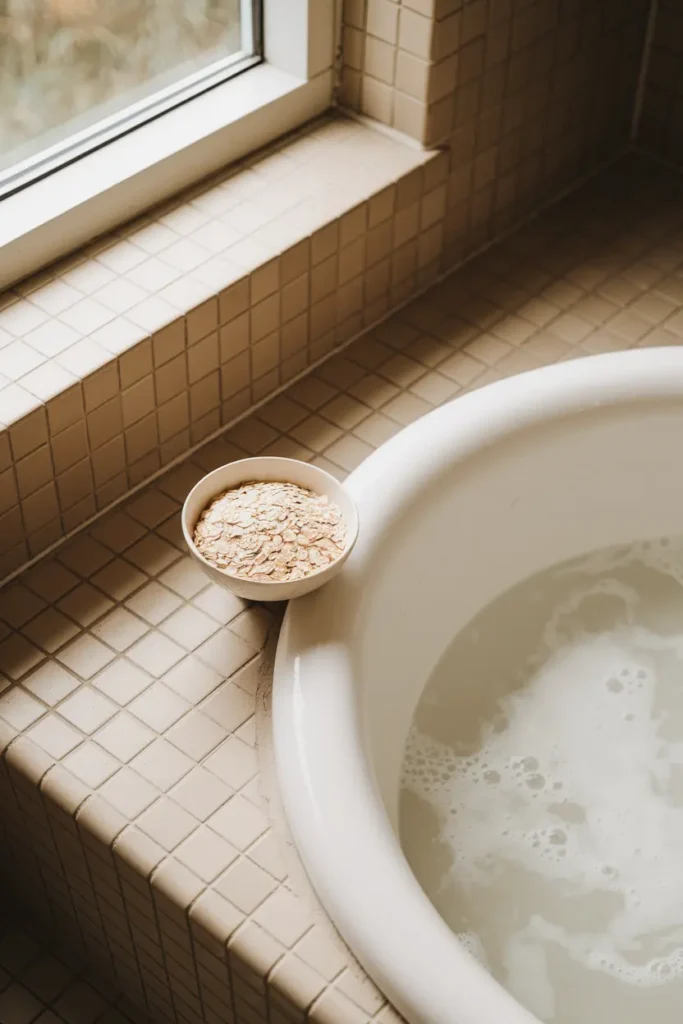
Colloidal oatmeal is finely ground oat that dissolves into water, creating a milky, skin-calming soak. It’s one of the most well-known home remedies for itchy, inflamed skin.
How to use it: Add 1 cup of colloidal oatmeal (not regular oatmeal — it needs to be finely milled) to a lukewarm bath. Soak for 10–15 minutes, then pat your skin dry gently instead of rubbing it. Follow up with moisturizer while your skin is still damp.
2. Lock in Moisture with Coconut Oil
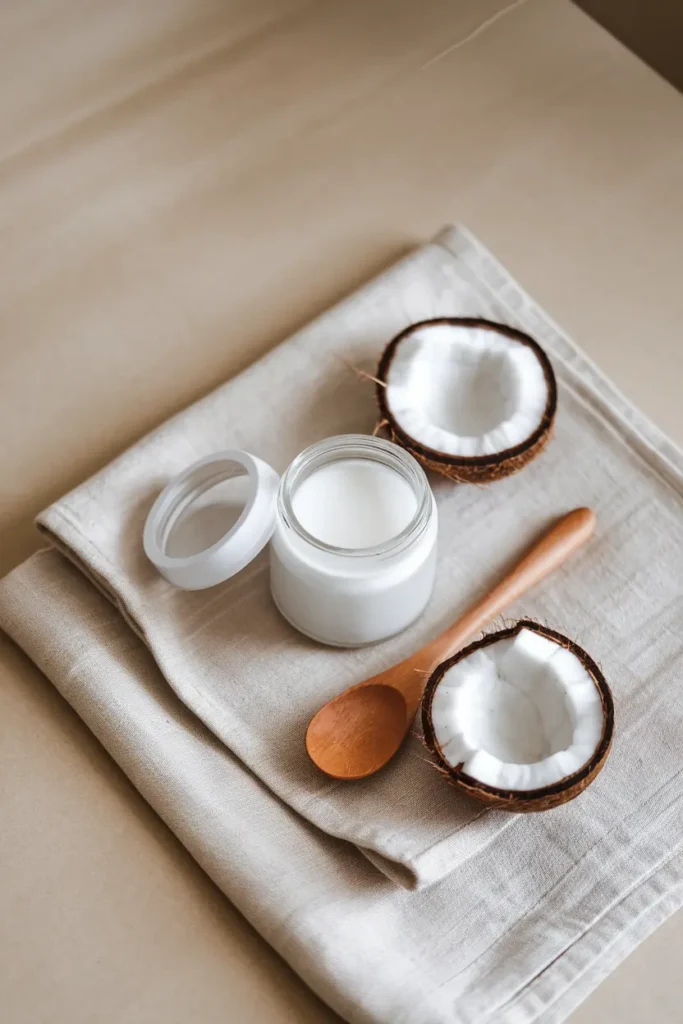
Coconut oil is a favorite in natural skincare because it’s deeply moisturizing and easy to apply straight from the jar — no mixing required.
How to use it: After a shower or bath, while your skin is still slightly damp, massage a small amount of virgin coconut oil into affected areas. Use it as a nightly moisturizer to help lock in hydration overnight.
3. Cool Things Down with Fresh Aloe Vera
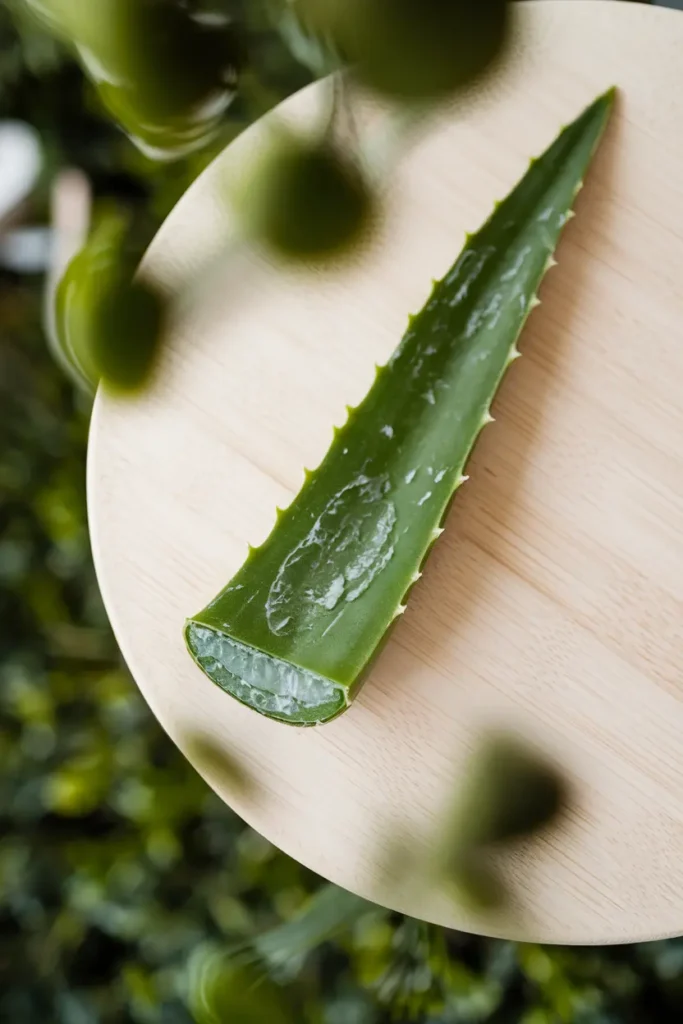
Fresh aloe vera gel has a naturally cooling, soothing feel that many people find comforting during a flare-up. Store-bought gels often contain added fragrance or alcohol, so fresh is best if you have access to a plant.
How to use it: Cut open an aloe leaf and scoop out the clear gel. Apply a thin layer directly to itchy or inflamed skin. Let it absorb fully before dressing.
4. Try a Diluted Apple Cider Vinegar Soak
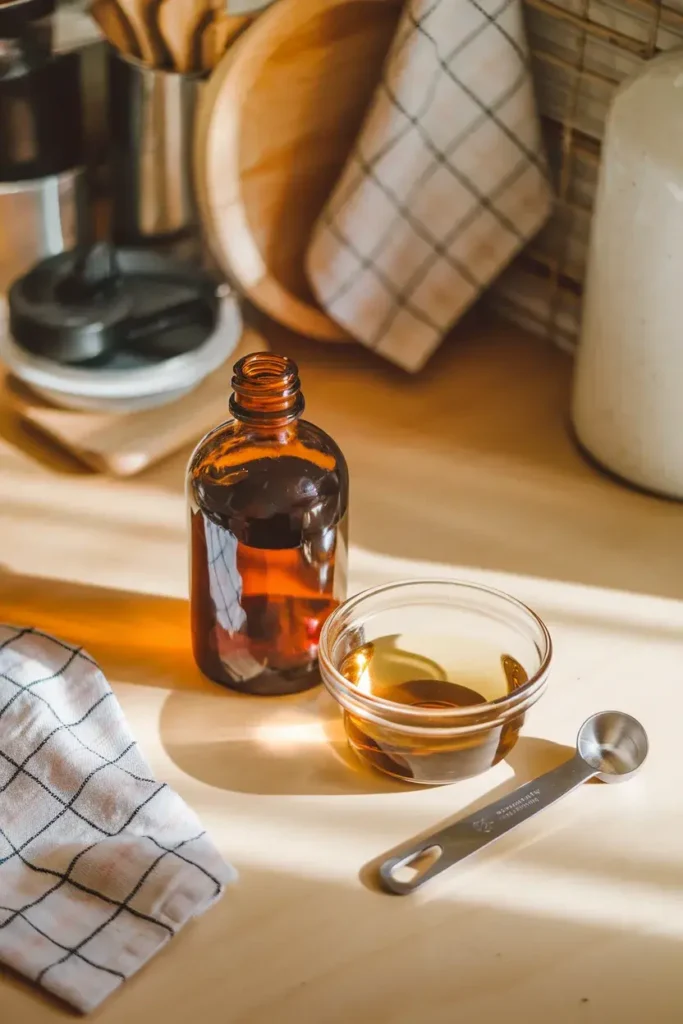
Apple cider vinegar is sometimes used to help balance skin pH, but it must be diluted properly — undiluted vinegar can burn or irritate already-sensitive eczema-prone skin.
How to use it: Mix 1 cup of apple cider vinegar into a full bathtub of warm water, or dilute 1 tablespoon into 1 cup of water for a smaller compress. Always do a patch test first, and avoid this method on broken or weeping skin.
5. Consider Evening Primrose Oil
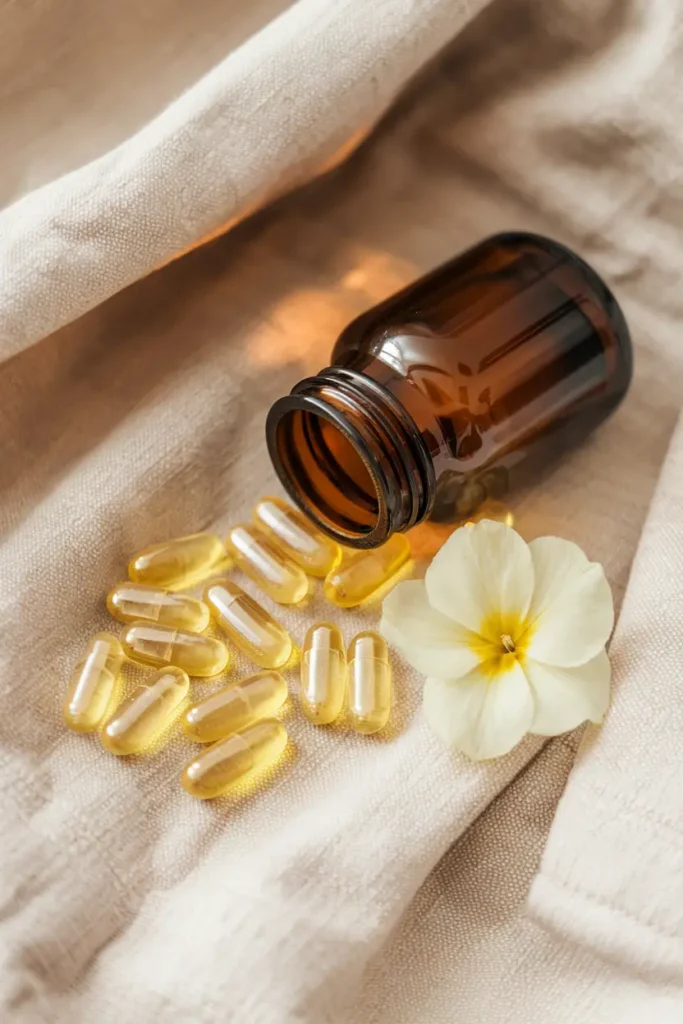
Evening primrose oil is a popular natural supplement often mentioned in eczema communities, typically taken orally in capsule form or applied topically.
How to use it: Follow the dosage instructions on the product label if taking it as a supplement, or look for skincare products that list it as an ingredient.
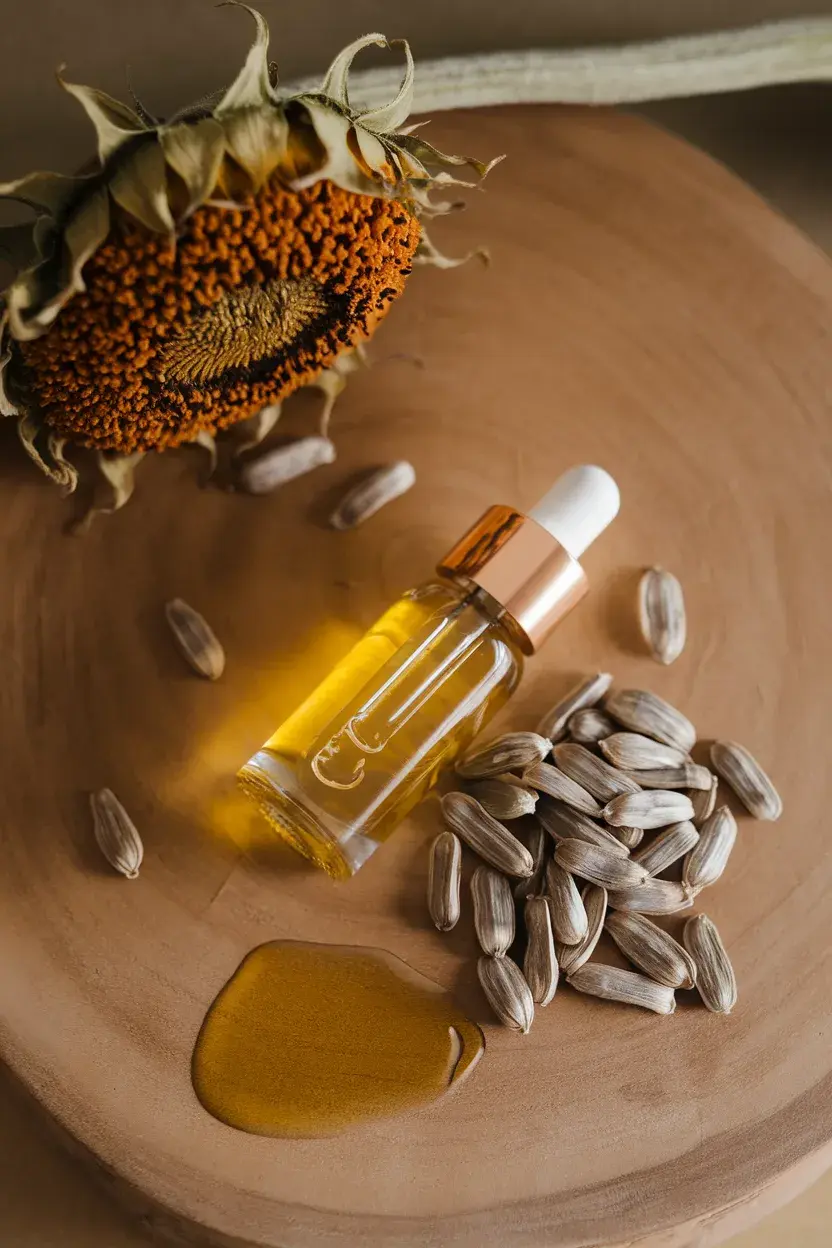
6. Nourish Your Skin Barrier with Sunflower Seed Oil
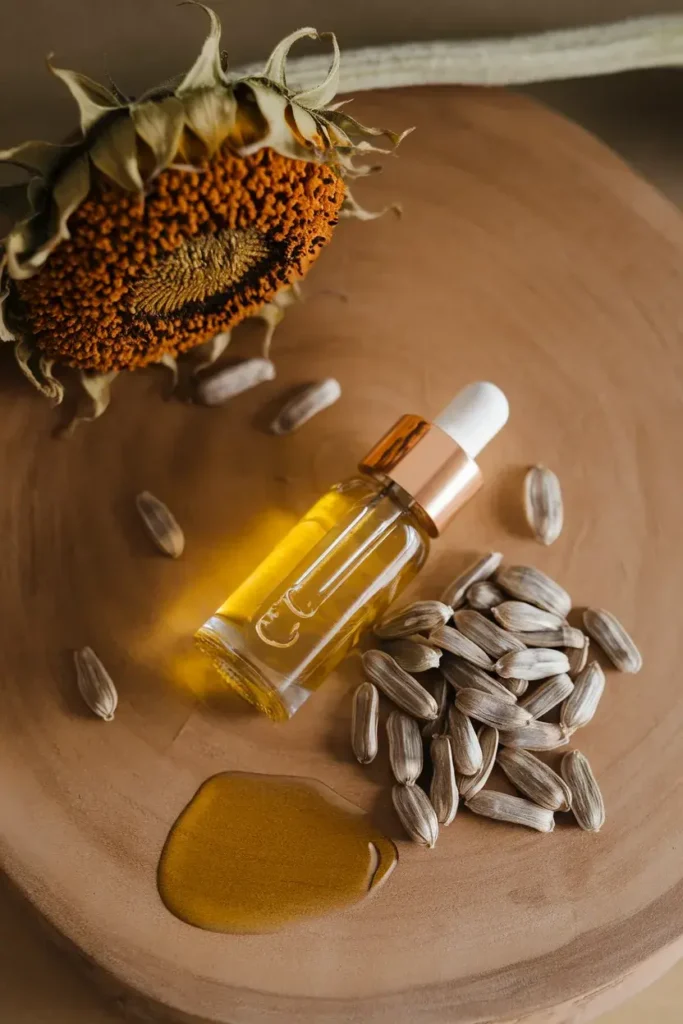
Sunflower seed oil is rich in linoleic acid, a fatty acid that supports the skin’s natural barrier — the outer layer that helps keep moisture in and irritants out.
How to use it: Apply a few drops as a facial or body oil after moisturizing, or look for it as an ingredient in barrier-repair creams.
7. Calm Sudden Itching with a Cool Compress

When a flare-up hits and you need relief right now, a cool compress can help take the edge off without any prep time.
How to use it: Soak a clean cloth in cool (not ice-cold) water, wring it out, and press it gently against the itchy area for 5–10 minutes. This is especially helpful before bed to reduce nighttime scratching.
8. Switch to a Fragrance-Free Laundry Detergent
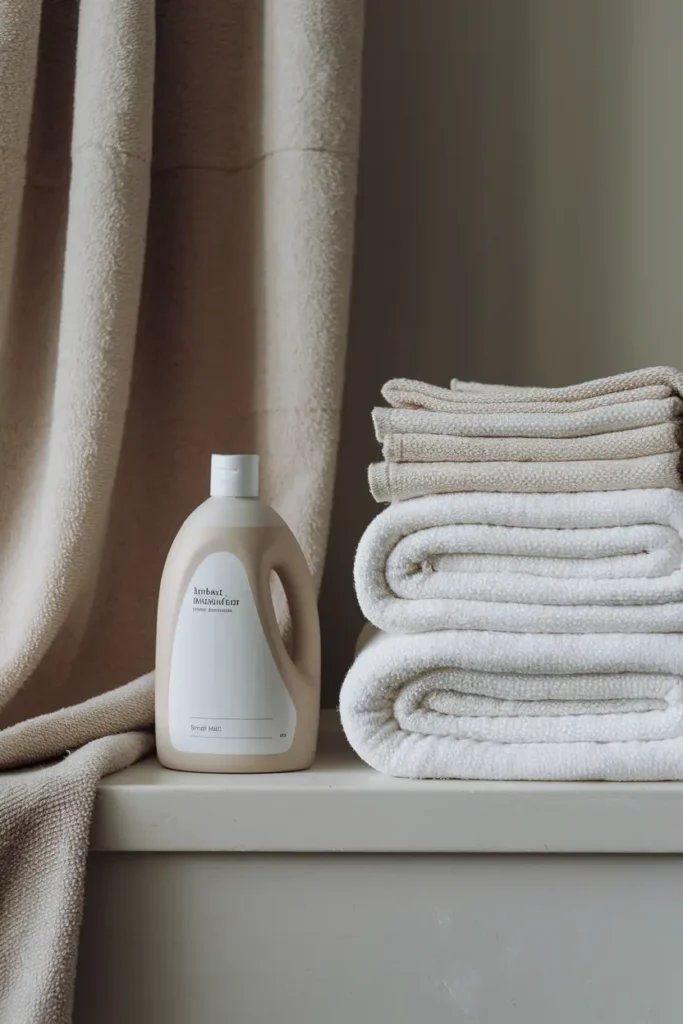
Residue from scented detergents can cling to fabric and irritate sensitive skin all day long — often without you realizing that’s the culprit.
How to use it: Look for detergents labeled “fragrance-free” (not just “unscented,” which can still contain masking fragrances) and free of dyes. Run an extra rinse cycle if your skin is especially reactive.
9. Choose 100% Cotton Clothing

Synthetic fabrics like polyester can trap heat and sweat against the skin, which may worsen itching. Cotton is breathable and generally gentler on eczema-prone skin.
How to use it: Prioritize loose-fitting, 100% cotton clothing and bedding, especially during flare-ups or hot weather.
10. Add a Humidifier to Your Bedroom

Dry indoor air — especially in winter or in heavily air-conditioned rooms — can pull moisture from your skin and trigger flare-ups.
How to use it: Run a humidifier in your bedroom overnight to keep the air (and your skin) from drying out while you sleep. Aim to clean the humidifier regularly to prevent mold growth.
11. Pay Attention to Potential Food Triggers

Some people notice their eczema flares after eating certain foods, though triggers vary widely from person to person and aren’t the same for everyone.
How to use it: Consider keeping a simple food and symptom journal for a few weeks to spot patterns. If you suspect a trigger, talk to a doctor or allergist before eliminating entire food groups.
12. Support Skin from the Inside with Probiotics
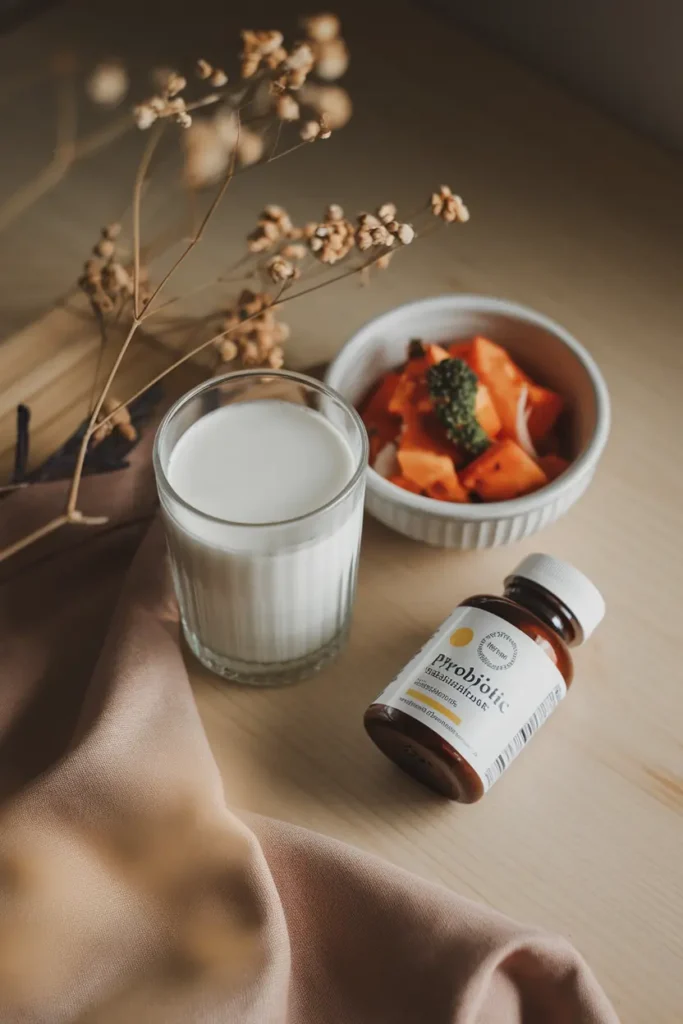
There’s growing interest in the connection between gut health and skin health, sometimes called the “gut-skin axis,” though this is still an evolving area of research.
How to use it: Some people add probiotic-rich foods like yogurt, kefir, or fermented vegetables to their diet, or try a probiotic supplement after consulting a healthcare provider.
13. Manage Stress with Simple Relaxation Techniques

Stress doesn’t cause eczema, but many people notice their flare-ups intensify during stressful periods.
How to use it: Try short daily practices like deep breathing, journaling, or a 10-minute walk outside. Even small, consistent habits can help take some pressure off your skin and your mind.
14. Follow the “Soak and Seal” Method

This simple two-step routine is a favorite among dermatology-minded skincare fans because it maximizes hydration retention.
How to use it: Take a short (5–10 minute) lukewarm shower or bath, pat your skin mostly dry, and immediately apply a thick, fragrance-free moisturizer while your skin is still a little damp. This helps seal in water before it evaporates.
15. Know When It’s Time to See a Dermatologist

Natural remedies can be wonderful for managing mild symptoms, but they aren’t a substitute for professional care when things get serious.
See a doctor if you notice:
- Signs of infection (increased redness, warmth, swelling, pus, or fever)
- Eczema that isn’t improving after weeks of home care
- Skin that’s cracked, bleeding, or extremely painful
- Flare-ups that disrupt your sleep or daily life
There’s no shame in needing extra support — sometimes the most natural thing you can do for your skin is get expert help.
Final Thoughts
Eczema-prone skin is unique to every person, so what works wonders for one flare-up might not work for another — and that’s okay.
Start with one or two remedies from this list, give your skin time to respond, and build a routine that feels sustainable rather than overwhelming.
Save this pin so you can come back to it next time your skin needs a little extra care.