
There’s nothing like an evening on the porch, a walk in the woods, or an afternoon in the garden getting ruined by that one itchy little bump.
Before you reach for a pharmacy run, check your kitchen and bathroom cabinet first — there’s a good chance you already have something that can calm the itch and reduce the swelling.
Here are 10 simple, natural remedies for common bug bites, plus how to use them safely.
1. Ice Cubes or a Cold Compress

Cold is one of the most reliable go-tos for bug bites.
Cooling the skin helps numb the area and can take the edge off both the swelling and the itch almost immediately — the same reason cold therapy is a go-to for bumps and bruises in general.
How to use it:
- Wrap an ice cube or ice pack in a thin cloth (never apply ice directly to skin).
- Hold it on the bite for 10–15 minutes.
- Repeat every few hours as needed, especially right after the bite happens.
Safety note: Take breaks between icing sessions to avoid skin irritation from prolonged cold exposure.
2. Baking Soda Paste
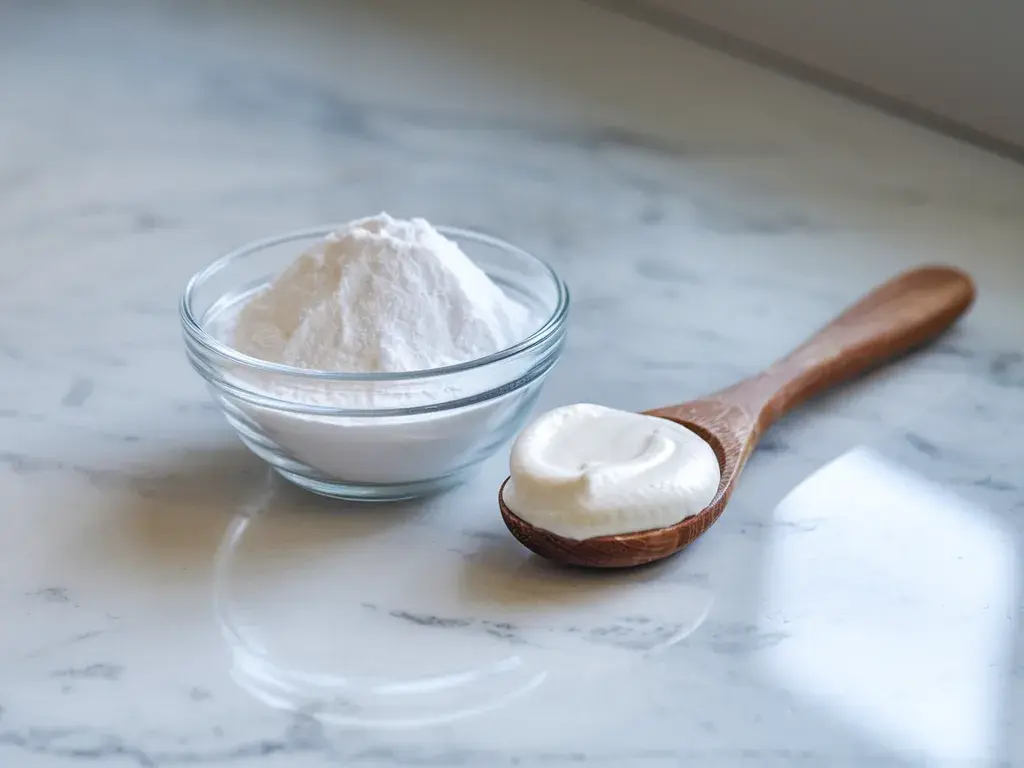
This is one of the most talked-about kitchen remedies for bug bites, thanks to the drying, soothing paste it makes when mixed with water.
Many people swear by it for taking down the itch of a fresh bite.
How to use it:
- Mix 1 tablespoon of baking soda with a small amount of water until it forms a thick paste.
- Apply directly to the bite.
- Let it dry for about 10 minutes, then rinse with cool water.
Safety note: Avoid using on broken or scratched skin, as it can sting.
3. Apple Cider Vinegar
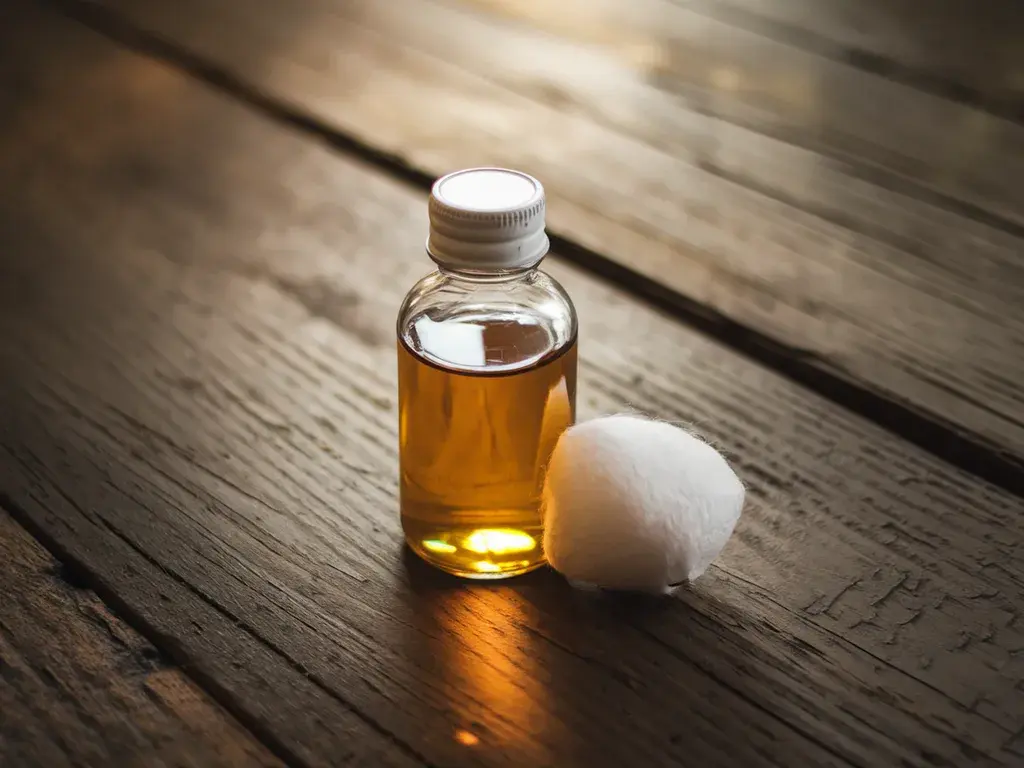
A classic pantry remedy that a lot of people reach for when a bug bite starts acting up.
The tangy, slightly acidic nature of vinegar is a favorite for a quick dab-and-go treatment.
How to use it:
- Dip a cotton ball in apple cider vinegar (diluted with a little water if you have sensitive skin).
- Dab it gently onto the bite.
- Let it air dry.
Safety note: Undiluted vinegar can irritate sensitive or broken skin — always patch test first.
4. Aloe Vera Gel
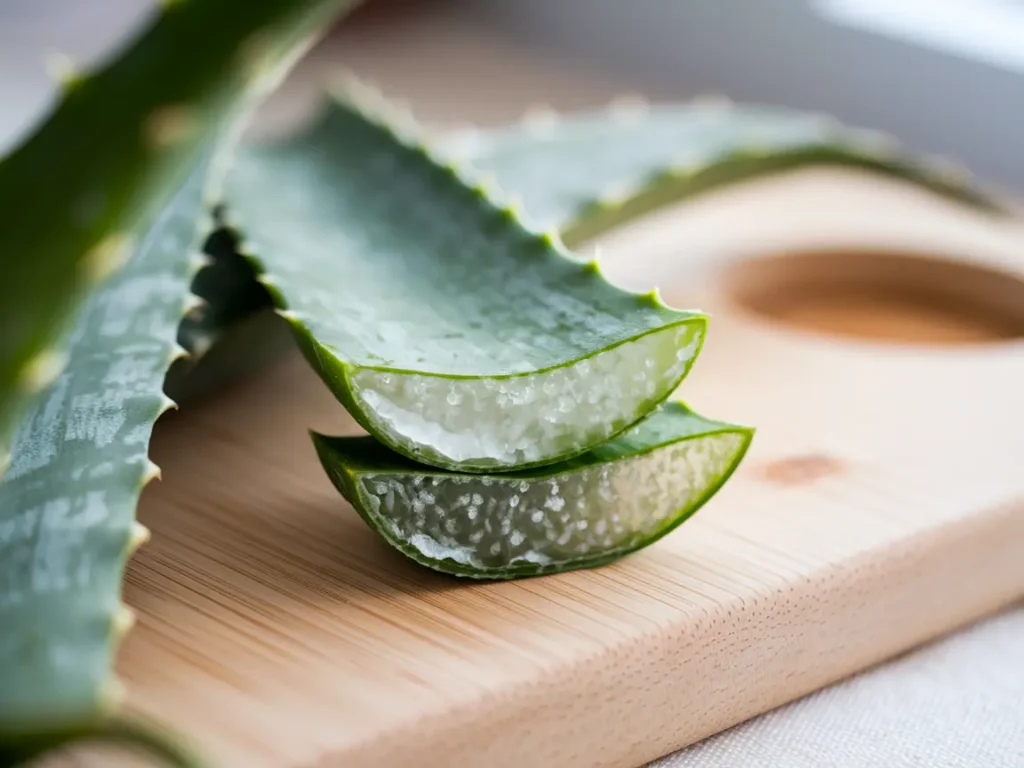
Fresh aloe vera gel is a longtime favorite for soothing irritated skin of all kinds, and bug bites are no exception.
Its cooling, gel-like texture makes it an easy, gentle option — especially nice for kids.
How to use it:
- Slice open a fresh aloe leaf and scoop out the gel (or use a store-bought pure aloe gel).
- Apply a thin layer directly to the bite.
- Reapply as needed throughout the day.
Safety note: Some people are allergic to aloe — do a small patch test if it’s your first time using it.
5. Honey

Raw honey has a long history as a go-to for minor skin irritations, and its natural stickiness makes it easy to apply right where you need it.
How to use it:
- Dab a small amount of raw honey directly onto the bite.
- Leave it uncovered or cover loosely with a bandage.
- Rinse off after 20–30 minutes.
Safety note: Sticky and best used when you can stay still for a bit — not ideal right before heading back outside.
6. Oatmeal Paste or Soak

Oatmeal is a classic go-to for itchy, irritated skin — you’ll find it in plenty of soothing lotions and bath soaks for exactly this reason, which makes it a natural choice for calming bug bite itch too.
How to use it:
- Blend plain oats into a fine powder.
- Mix with water to form a paste, or add to a lukewarm bath for a full-body soak if you have multiple bites.
- Apply the paste to bites for 10–15 minutes, then rinse.
Safety note: Use plain, unflavored oats — skip anything with added sugar or flavoring.
7. Witch Hazel
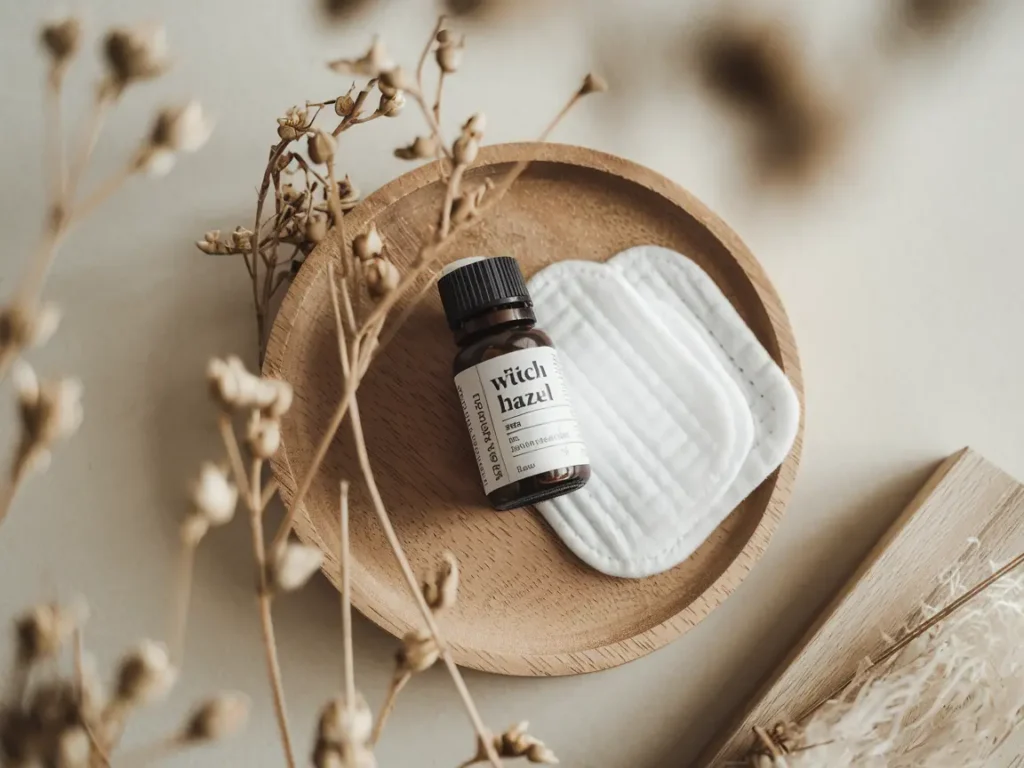
Witch hazel is a gentle, natural astringent that’s a staple in a lot of skincare routines for calming irritated skin, and it works nicely as a light, no-mess dab for bug bites.
How to use it:
- Soak a cotton ball with witch hazel.
- Dab it onto the bite.
- Reapply 2–3 times a day as needed.
Safety note: Can be drying with frequent use — don’t overapply on sensitive skin.
8. Crushed Basil Leaves

A favorite garden remedy for anyone who grows their own herbs — crushing fresh basil releases its natural oils, and rubbing it on a bite is a simple trick worth trying if you have a plant nearby.
How to use it:
- Crush a few fresh basil leaves to release their oils.
- Rub gently on the bite, or leave the crushed leaves on top for a few minutes.
- Rinse off after 15–20 minutes.
Safety note: Patch test first if you have sensitive skin or plant allergies.
9. Diluted Tea Tree Oil
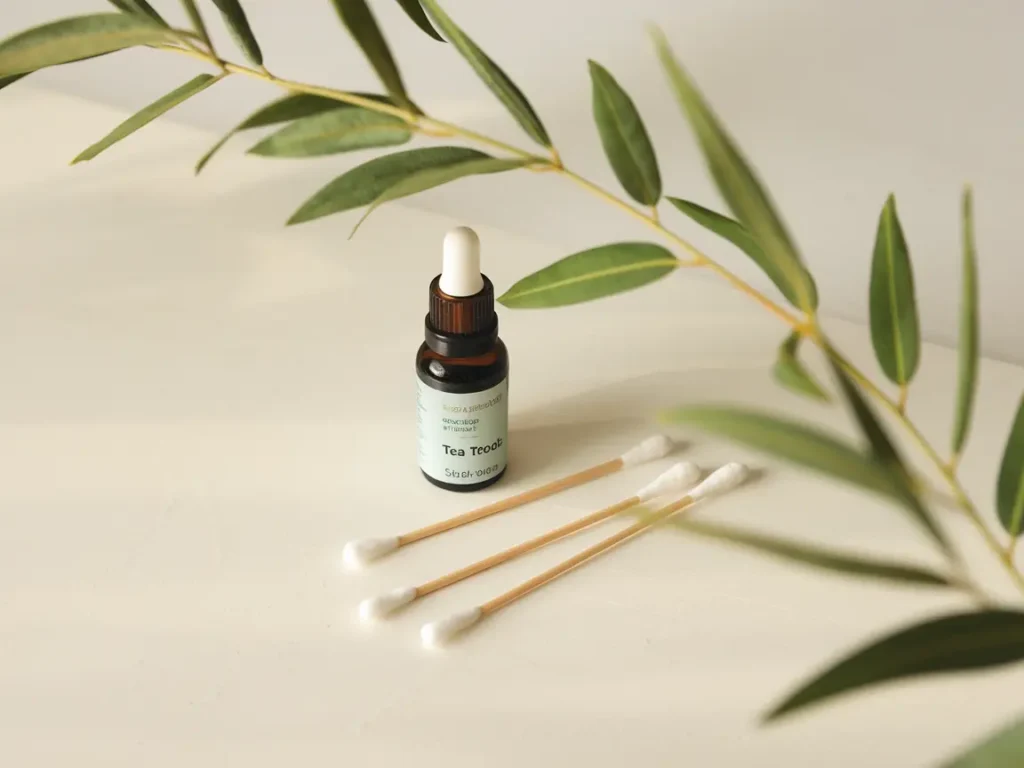
Tea tree oil is a well-known name in natural skincare, often reached for on minor skin issues thanks to its fresh, clean scent and reputation as a go-to essential oil.
How to use it:
- Mix a few drops of tea tree oil with a carrier oil (like coconut or jojoba oil) — never apply undiluted.
- Dab a small amount onto the bite with a cotton swab.
- Use once or twice a day.
Safety note: Tea tree oil is potent and can cause irritation or allergic reactions if used undiluted or too frequently. Always dilute, and avoid using on children without checking with a pediatrician first.
10. Cold Black Tea Bag

A cool, used tea bag is a simple trick a lot of people keep in their back pocket — the gentle pressure and coolness make it an easy, no-prep option straight from your own kitchen.
How to use it:
- Steep a black tea bag, then let it cool in the fridge for a few minutes.
- Press the cool, damp tea bag directly onto the bite for 5–10 minutes.
- Repeat as needed.
Safety note: Make sure the tea bag isn’t hot — this remedy relies on it being cool, not warm.
Bonus: Toothpaste for Quick Itch Relief
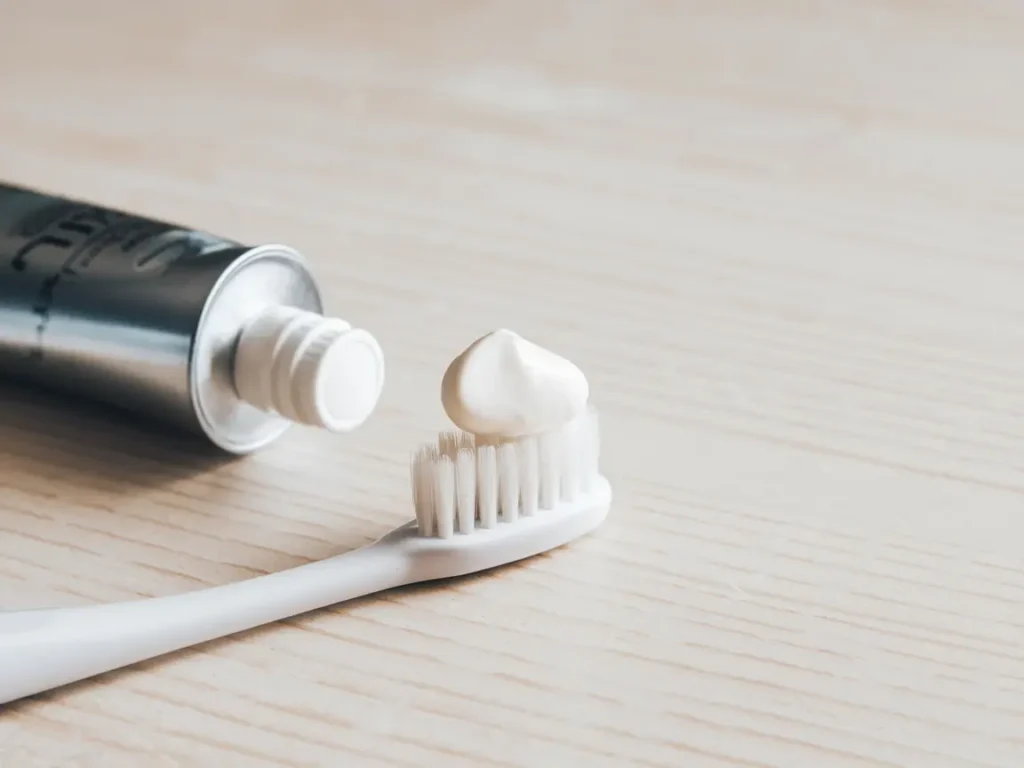
This is the classic “grandma tip” that’s been passed around for generations — a dab of plain toothpaste and its cooling, minty sensation is what most people are chasing with this one.
How to use it:
- Dab a small amount of plain, white toothpaste (not gel) onto the bite.
- Let it dry for 10–15 minutes.
- Rinse off with cool water.
Safety note: Skip this one on children or sensitive skin, as toothpaste isn’t formulated for skin use and can cause irritation.
Remedies by Bite Type
Mosquito bites — Ice, aloe vera, and oatmeal paste tend to be the gentlest and most soothing options for the classic itchy mosquito welt.
Ant bites — A cold compress first to bring down swelling, followed by baking soda paste, is a common combination people reach for.
Bee or wasp stings — Before applying any remedy, check whether the stinger is still in the skin. If it is, gently scrape it out with a fingernail or card edge (don’t squeeze with tweezers, as that can push more venom in). Ice afterward to reduce swelling.
Tick bites — This one deserves extra caution. Remove the tick carefully with fine-tipped tweezers, pulling straight up and steadily. After removal, keep an eye on the area for several days. Home remedies can help with minor irritation from the bite itself, but tick bites carry a risk of tick-borne illness (like Lyme disease), so any rash, fever, or flu-like symptoms afterward should be checked by a doctor — this is not something to manage with home remedies alone.
When to See a Doctor
Most bug bites are just an itchy nuisance that clears up in a few days.
But it’s worth knowing the signs that mean it’s time to get medical attention rather than reach for a home remedy:
- Difficulty breathing or swallowing
- Swelling that spreads well beyond the bite area, especially around the face, lips, or throat
- Dizziness, rapid heartbeat, or feeling faint
- A fever or flu-like symptoms after a tick bite
- Signs of infection — increasing redness, warmth, pus, or a bite that isn’t improving after several days
If you notice any of these, it’s best to seek medical care rather than rely on home remedies.
Bonus: Simple Bug Bite Prevention Tips
- Consider a natural insect repellent spray, such as one made with diluted citronella or lemon eucalyptus essential oil
- Wear long sleeves and pants during peak mosquito hours (early morning and dusk)
- Avoid standing water near your home, which attracts mosquitoes
- Light-colored clothing tends to attract fewer insects than dark colors in general observation, though this varies by insect type
Frequently Asked Questions
What stops bug bite itching fast? Cold compresses tend to give the fastest relief since they numb the area almost immediately. Aloe vera and oatmeal paste are good gentle follow-ups.
Is toothpaste good for bug bites? It’s a popular home tip, mostly thanks to its cooling, minty sensation. Results tend to vary from person to person, so it’s more of a “worth a try” option than a guaranteed fix.
How long do bug bites take to heal? Most mild bites resolve within a few days to about a week, though healing time can vary depending on the type of bite, your skin, and whether the area gets scratched.
Is it true that some remedies can “draw out” bug bite poison? This is a popular idea that gets repeated a lot online, but most everyday bites — mosquitoes, ants, and the like — don’t actually involve venom that needs to be “drawn out” the way a bee sting might. It’s best to treat this specific claim with a healthy dose of skepticism.
Quick Pick: Our 3 Favorite Go-To Remedies
If you only remember three things from this list:
- Ice first — always start here for fast, reliable relief.
- Aloe vera — gentle enough for daily use and kids.
- Oatmeal paste — great if you’re dealing with multiple bites at once.