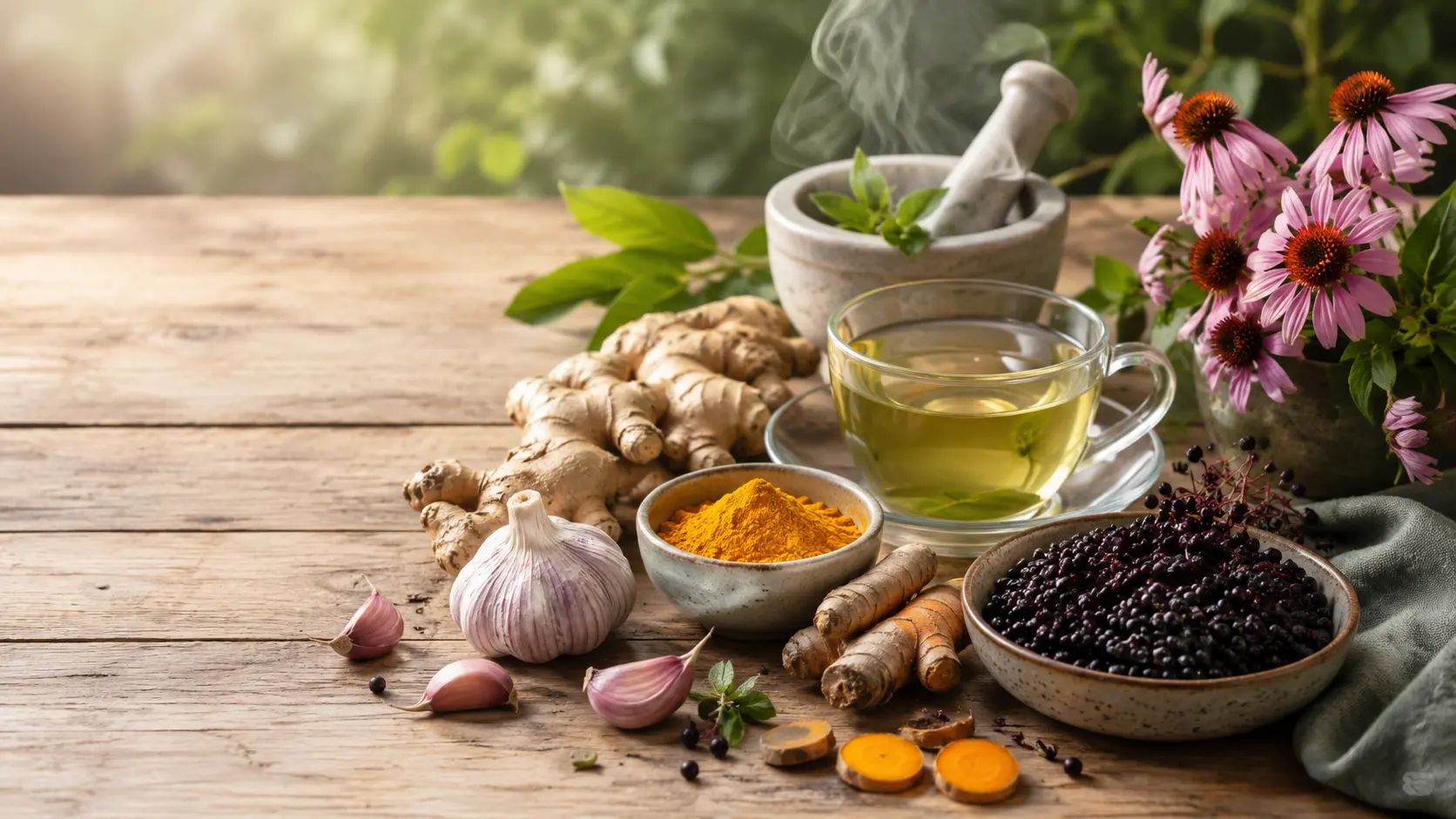
When cold and flu season arrives—or when life simply feels more exhausting than usual—it is tempting to search for a quick, natural way to strengthen the body’s defenses.
That is why teas, syrups, capsules, gummies, and powders labeled “immune boosting” have become so popular.
But can herbs really boost immunity?
The answer is more nuanced than many supplement labels suggest. The immune system is a complex network of cells, tissues, organs, and signaling pathways.
There is no single measurement that can determine whether someone’s entire immune system has been “boosted.” Researchers generally evaluate specific outcomes, such as the frequency, duration, or severity of infections.
Some herbs contain compounds that may influence inflammation, antioxidant activity, stress, sleep, or certain immune responses.
However, evidence varies substantially between herbs, products, doses, and study populations.
In other words, herbs may support aspects of immune health, but no herb can make you immune to illness or replace vaccination, medical care, adequate sleep, or a nutritious diet.
Here are nine popular herbs associated with immune support—and what the science and safety data actually say.
Can Herbs Really Boost Your Immune System?
The phrase “boost your immune system” sounds appealing, but it is not always scientifically precise.
A healthy immune system needs balance.
It must respond effectively to harmful pathogens without becoming excessively active or attacking the body’s own tissues. More immune activity is therefore not automatically better.
A more accurate goal is to support normal immune function. This means providing the body with adequate nutrition, rest, movement, stress management, and appropriate preventive healthcare.
Botanical ingredients may affect certain immune processes, but researchers often face several challenges:
- Different products may contain different plant species or plant parts.
- Extraction and manufacturing methods can change the final composition.
- Supplement doses are often much higher than culinary amounts.
- Small studies may not provide enough evidence for broad conclusions.
- Laboratory findings do not always translate into meaningful benefits in humans.
Dietary supplements are also regulated differently from prescription and over-the-counter medications in the United States.
Manufacturers are generally responsible for evaluating their products and labels, while the FDA does not routinely approve dietary supplements for effectiveness before they reach the market.
That does not mean every supplement is ineffective or unsafe.
It does mean shoppers should approach strong promises—especially claims involving instant protection, viral cures, or guaranteed immunity—with caution.
1. Echinacea
Echinacea is one of the most recognizable herbs marketed for immune support. It is commonly sold as tea, liquid extract, tincture, capsule, tablet, or lozenge.
People often begin taking echinacea when they notice the first signs of a cold. Researchers have studied whether it can prevent respiratory infections, shorten their duration, or reduce symptom severity.
The results remain inconsistent. Some echinacea preparations may offer modest benefits for adults with colds, while others have not performed better than a placebo.
The variation may partly result from differences in species, plant parts, extraction methods, and product composition. Current evidence is not strong enough to conclude that echinacea reliably prevents respiratory infections.
Echinacea is generally used for relatively short periods. Possible side effects include digestive discomfort, nausea, stomach pain, and allergic reactions.
People who are allergic to ragweed, daisies, chrysanthemums, or related plants may have a greater risk of reacting to echinacea. Skin rashes have also been reported in studies involving children.
Echinacea may be worth discussing with a healthcare professional for short-term cold-season use, but it should not be treated as guaranteed protection.
Key takeaway: Echinacea is widely used for colds, but its effectiveness can depend heavily on the exact product and formulation.
2. Elderberry
Elderberry has become a cold-season favorite in the United States. It appears in syrups, gummies, lozenges, teas, powders, and drink mixes.
Some small studies have examined whether elderberry preparations can reduce the duration or intensity of upper-respiratory symptoms.
Although preliminary findings have generated interest, there is not yet enough high-quality evidence to conclude that elderberry reliably prevents or treats viral infections.
Safety also depends on preparation.
Raw or unripe elderberries, as well as the plant’s leaves and stems, can contain substances that may release cyanide when consumed.
Improperly prepared elderberry products can cause nausea, vomiting, diarrhea, or more serious toxicity.
Commercial elderberry products should be manufactured and processed correctly, and homemade preparations require careful handling.
There is also limited information about the safety of medicinal elderberry use during pregnancy or breastfeeding.
Elderberry products should never be viewed as substitutes for antiviral medication, vaccination, or clinical treatment.
Federal regulators have previously taken action against companies that marketed elderberry products using unsupported COVID-19 treatment or prevention claims.
Key takeaway: Elderberry may be promising for respiratory symptom support, but evidence remains limited, and raw plant material should not be consumed.
3. Garlic
Garlic is both a culinary staple and one of the most frequently promoted herbs for cardiovascular and immune health.
It contains sulfur-containing compounds that form when garlic is chopped, crushed, or chewed. These compounds have been studied for antimicrobial, antioxidant, inflammatory, and cardiovascular effects.
However, the evidence that garlic supplements prevent or treat the common cold remains insufficient. A research review evaluated garlic for cold prevention and symptom relief but found too little reliable evidence to confirm a meaningful benefit.
That does not make garlic nutritionally irrelevant. Using garlic in cooking can add flavor while supporting an overall varied, plant-rich diet.
The distinction between food and supplements is important, however. Concentrated garlic capsules or extracts may expose the body to larger amounts than a typical meal.
Possible side effects include breath odor, body odor, heartburn, stomach discomfort, and nausea. Garlic supplements may also increase bleeding risk, particularly when combined with anticoagulants, aspirin, or other medications that affect blood clotting.
People preparing for surgery should tell their healthcare team about any garlic supplements they use.
Key takeaway: Garlic is a flavorful and nutritious food, but concentrated supplements are not proven cold cures and may interact with blood-thinning medications.
4. Ginger
Fresh ginger is commonly added to tea, soups, stir-fries, smoothies, and baked foods. It is often associated with digestive comfort, warming beverages, and cold-season wellness.
Ginger contains several biologically active compounds, including gingerols and shogaols. Laboratory and preliminary clinical research has explored their antioxidant and inflammatory properties.
However, ginger’s strongest established uses are not related to preventing infections. Much of the clinical research has focused on nausea and vomiting, and some studies have had methodological limitations.
There is not sufficient evidence to claim that ginger directly prevents colds, flu, or other respiratory illnesses.
Still, warm ginger tea may help someone feel more comfortable when experiencing minor throat irritation, nausea, or poor appetite. That symptom comfort should not be confused with antiviral treatment.
Ginger is generally well tolerated in culinary amounts. Larger supplemental quantities may cause heartburn, abdominal discomfort, mouth or throat irritation, or diarrhea.
People taking medication—especially medications affecting blood clotting—should discuss concentrated ginger products with a clinician or pharmacist.
Key takeaway: Ginger can be a soothing food or beverage ingredient, but there is no strong evidence that it prevents viral illness.
5. Turmeric
Turmeric is the golden-yellow spice that gives many curries their distinctive color. Its best-known active component is curcumin.
Curcumin has been studied extensively in laboratories because it may affect inflammatory and antioxidant pathways.
This has led to aggressive marketing of turmeric and curcumin supplements for joint health, immunity, brain health, digestion, and disease prevention.
Human evidence is much less conclusive than the marketing often suggests. According to the National Center for Complementary and Integrative Health, there is not enough evidence to definitively conclude that oral turmeric or curcumin provides meaningful benefits for most health conditions.
Turmeric used as a spice in food is also different from a concentrated curcumin supplement. Some supplements combine curcumin with substances designed to increase absorption. Enhanced absorption may increase exposure, but it may also raise the potential for side effects.
Some highly bioavailable curcumin formulations have been associated with liver injury. People with liver disease, gallbladder conditions, or ongoing medication use should seek professional guidance before taking concentrated products.
Using turmeric in cooking is a practical way to enjoy its flavor without assuming that it acts as a medical treatment.
Key takeaway: Turmeric is a useful culinary spice, but concentrated curcumin products should not be treated as proven immune medicine.
6. Astragalus
Astragalus is a flowering plant whose root has a long history of use in traditional Chinese health practices. It is sold in capsules, powders, extracts, tinctures, and sliced-root tea preparations.
Astragalus is frequently described as an adaptogen or immune-supporting herb. Laboratory research suggests that some of its compounds may affect immune signaling, but reliable human evidence remains limited.
Research involving astragalus is also difficult to interpret because it is often used as one ingredient within a multi-herb formula. When several ingredients are combined, researchers cannot always determine which component produced a specific result.
Astragalus may not be appropriate for everyone. Because it is promoted for effects on immune activity, people who have autoimmune disorders or take immunosuppressive medications should be particularly cautious. This includes some people receiving treatment after organ transplantation or for inflammatory diseases.
Pregnant or breastfeeding individuals should avoid medicinal use unless it has been specifically reviewed by a qualified healthcare professional.
Key takeaway: Astragalus has a long traditional history, but modern human evidence for immune benefits remains preliminary.
7. Asian Ginseng
Asian ginseng, also known as Panax ginseng, is commonly marketed for energy, stamina, concentration, stress adaptation, and immune support.
The root is the plant part most frequently used in commercial products. Preparations include white ginseng, red ginseng, teas, extracts, capsules, powders, and tonics.
A small amount of preliminary research suggests that certain Asian ginseng extracts might reduce the likelihood of developing influenza. However, the existing evidence does not establish that ginseng consistently prevents infection or reduces the severity or duration of flu symptoms.
Asian ginseng may cause insomnia, nervousness, headaches, digestive problems, or changes in blood sugar. People with diabetes should be especially cautious because ginseng may complicate glucose management.
Potential interactions have also been raised involving blood-pressure medications, statins, antidepressants, blood-thinning medications, and other prescription drugs.
Questions remain about long-term safety. Some experts recommend that infants, children, and people who are pregnant or breastfeeding avoid it.
Key takeaway: Asian ginseng may influence energy and certain physiological responses, but the evidence for infection prevention is limited.
8. Ashwagandha
Ashwagandha is another herb commonly described as an adaptogen. It has been used for centuries in Ayurvedic health practices and is now widely marketed in the United States for stress, sleep, exercise performance, focus, and hormone support.
Ashwagandha is sometimes included on lists of immune-boosting herbs, but most of the current interest relates to stress reduction and sleep—not direct protection from infection.
This distinction matters because chronic stress and inadequate sleep can affect overall health and immune regulation. An herb that helps certain people manage stress may indirectly support healthy routines, but that does not mean it prevents colds or strengthens every part of the immune system.
Short-term use may be tolerated by many adults, but long-term safety data remain limited. Reported side effects include drowsiness, stomach upset, diarrhea, and vomiting. Rare cases of liver injury have also been associated with ashwagandha products.
Ashwagandha should be avoided during pregnancy. It may also be unsuitable for people with thyroid disorders, autoimmune conditions, hormone-sensitive conditions, or those taking sedatives, thyroid medication, immunosuppressants, or other prescription drugs.
Key takeaway: Ashwagandha is more relevant to stress and sleep support than direct immune protection.
9. Green Tea
Green tea is rich in plant compounds called polyphenols, including catechins. It also contains caffeine unless specifically decaffeinated.
Green tea has been studied for cardiovascular health, metabolic health, cognitive function, inflammation, and chronic disease risk. Tea catechins are also included in research examining supplements and immune function, although results do not establish green tea as a reliable infection-prevention treatment.
For most adults, drinking green tea as a beverage has not raised major safety concerns. Concentrated green tea extracts are different. They can deliver much larger amounts of catechins and have been associated with nausea, abdominal discomfort, increased blood pressure, medication interactions, and uncommon cases of liver injury.
Green tea supplements may also reduce blood levels of certain medications, including some cholesterol and blood-pressure drugs.
People who are sensitive to caffeine may experience restlessness, headaches, rapid heartbeat, or difficulty sleeping. Choosing brewed tea and avoiding it close to bedtime may reduce those effects.
Key takeaway: Brewed green tea can fit into a healthy diet, but concentrated extracts carry different risks and should not be treated like an ordinary cup of tea.
Quick Comparison of Popular Immune-Supporting Herbs
| Herb | Common Form | Why People Use It | Evidence for Immunity | Main Caution |
|---|---|---|---|---|
| Echinacea | Tea, capsule, tincture | Cold-season support | Mixed | Allergic reactions and interactions |
| Elderberry | Syrup, gummy, lozenge | Respiratory symptom support | Limited | Raw plant parts may be toxic |
| Garlic | Food, capsule, extract | General wellness | Limited for colds | May increase bleeding risk |
| Ginger | Tea, fresh root, capsule | Comfort and digestive support | Limited | Heartburn and possible interactions |
| Turmeric | Spice, capsule, extract | Inflammatory support | Indirect or insufficient | Concentrated products may affect the liver |
| Astragalus | Root tea, powder, extract | Traditional immune support | Preliminary | Immunosuppressant concerns |
| Asian ginseng | Tea, capsule, tonic | Energy and resilience | Limited | Insomnia and medication interactions |
| Ashwagandha | Powder, capsule, extract | Stress and sleep support | Indirect | Pregnancy and liver concerns |
| Green tea | Brewed tea, extract | Antioxidant intake | Indirect | Caffeine and extract-related risks |
Food, Tea, or Supplements: Which Form Is Better?
The form of an herb can significantly affect its strength, safety, and usefulness.
Herbs Used in Food
Culinary use is often the most practical place to begin.
Garlic, ginger, and turmeric can be incorporated into soups, vegetables, sauces, marinades, rice dishes, curries, and other everyday meals. Food-based quantities are usually less concentrated than extracts and contribute flavor without requiring a complicated supplement routine.
However, food is not automatically risk-free. Allergies, digestive sensitivities, and medication interactions can still occur. The risk is simply different from that of a high-dose supplement.
Herbal Teas
Tea can be a convenient way to consume ginger, green tea, echinacea, or commercially prepared herbal blends.
A warm beverage may also encourage hydration and provide comfort during minor respiratory symptoms. Tea strength varies, however, and a cup of tea does not provide a standardized medical dose.
Herbal tea should not be marketed or used as a “detox,” virus killer, or replacement for medical care.
Capsules, Tinctures, and Extracts
Supplement forms are often much more concentrated.
Two products with the same herb name may differ in:
- Plant species
- Plant part
- Extraction method
- Active-compound concentration
- Serving size
- Added ingredients
- Contamination risk
- Quality control
Greater concentration does not necessarily mean greater benefit. It may simply mean greater exposure and a higher risk of side effects or interactions.
How to Choose a Safer Herbal Supplement
The supplement aisle can be confusing, especially when nearly every label uses phrases such as “natural defense,” “immune shield,” or “maximum strength.”
Use these basic precautions before purchasing a product:
Read the Complete Label
Check the exact herb, serving size, plant part, extract ratio, and additional ingredients. Avoid assuming that every ingredient is harmless simply because it is botanical.
Be Careful With Proprietary Blends
A proprietary blend may list several ingredients without revealing how much of each one is included. This makes it difficult to evaluate the dose or compare the product with research.
Look for Independent Quality Testing
Third-party certification does not prove that a supplement works, but it may provide additional assurance that the product contains what the label claims and has been tested for certain contaminants.
Avoid Miracle Claims
Be skeptical of products promising:
- Instant immunity
- Guaranteed virus protection
- Complete detoxification
- Permanent infection resistance
- Results without sleep, nutrition, or medical care
- A cure for cold, flu, COVID-19, or another disease
Supplement products marketed with disease-treatment claims may be crossing the line into unapproved drug claims.
Ask a Pharmacist About Interactions
Pharmacists can help identify interactions between herbal products and prescription or over-the-counter medications.
Bring a complete list of everything you take, including teas, gummies, powders, extracts, vitamins, and occasional supplements.
NCCIH specifically advises people using medications with a narrow therapeutic range to be especially cautious about herbal interactions.
Who Should Be Extra Careful With Immune-Support Herbs?
Professional guidance is especially important for people who:
- Take anticoagulants or antiplatelet medications
- Use immunosuppressive medication
- Have an autoimmune disorder
- Have liver or kidney disease
- Take diabetes medication
- Take blood-pressure or heart medication
- Are pregnant or breastfeeding
- Are preparing for surgery
- Are receiving cancer treatment
- Are considering herbal supplements for a child
- Take several medications or supplements at the same time
Herb-drug interactions are not always obvious. One product may alter bleeding, sedation, blood sugar, blood pressure, liver enzymes, or the amount of medication circulating in the body.
Natural products should not be used to replace a proven treatment or delay evaluation of persistent or worsening symptoms.
What Supports Immunity Better Than Any Single Herb?
No capsule or tea can compensate for consistently poor sleep, inadequate nutrition, chronic stress, or untreated illness.
The most reliable immune-support strategy is built around foundational health behaviors.
Get Adequate Sleep
Sleep supports multiple biological processes involved in immune regulation. Build a regular sleep schedule, reduce late-night screen use, and seek medical advice for persistent insomnia, heavy snoring, or extreme daytime sleepiness.
Eat a Varied, Nutrient-Dense Diet
Normal immune function depends on adequate intake of several nutrients, including vitamins A, C, D, and E, along with selenium and zinc. Deficiencies can impair immunity and increase vulnerability to infection.
Prioritize vegetables, fruits, beans, whole grains, nuts, seeds, seafood, eggs, dairy or fortified alternatives, and appropriate protein sources.
Exercise Regularly
Regular physical activity supports cardiovascular, metabolic, musculoskeletal, and mental health. The goal is consistency rather than extreme exercise.
Manage Chronic Stress
Stress management may include breathing exercises, meditation, time outdoors, social connection, counseling, journaling, spiritual practices, or simply creating realistic boundaries around work and rest.
Follow Recommended Vaccination Guidance
Vaccines train the immune system to recognize specific threats. Herbs cannot provide the same targeted and tested protection.
Practice Basic Infection Prevention
Handwashing, safe food handling, appropriate respiratory hygiene, and staying home when contagious remain practical ways to reduce transmission.
Seek Medical Care When Needed
Contact a healthcare professional for symptoms such as difficulty breathing, chest pain, confusion, dehydration, persistent high fever, severe weakness, symptoms that rapidly worsen, or illness affecting a high-risk individual.
A Simple One-Day Herb Routine
A food-based routine can help you enjoy herbs without turning every meal into a supplement protocol.
Morning
Start with brewed green tea or warm ginger tea. Choose decaffeinated green tea when caffeine interferes with sleep, causes palpitations, or worsens anxiety.
Lunch
Add fresh or cooked garlic to soup, roasted vegetables, beans, pasta sauce, or a grain bowl.
Afternoon
Drink water and choose a balanced snack rather than relying on an “immune shot” as a replacement for food.
Dinner
Use turmeric, ginger, garlic, and black pepper as seasonings in a vegetable curry, lentil soup, chicken dish, tofu stir-fry, or roasted vegetables.
Evening
Choose a caffeine-free tea and focus on getting enough sleep.
This routine is a culinary example, not a treatment plan. It does not provide standardized supplement doses and should not replace individualized medical advice.
Common Myths About Herbs and Immunity
Myth 1: More Immune Activity Is Always Better
An immune system that is excessively or incorrectly activated can damage healthy tissue. The goal is normal, balanced immune function—not maximum activity.
Myth 2: Natural Products Cannot Cause Side Effects
Herbs contain biologically active chemicals. They can cause allergies, digestive problems, sedation, liver injury, altered blood sugar, increased bleeding, and medication interactions.
“Natural” describes where something comes from. It does not guarantee safety.
Myth 3: One Herb Can Prevent Every Cold or Flu
Colds and respiratory illnesses can be caused by many different pathogens. No single herb has been proven to provide universal protection.
Myth 4: A Supplement Works the Same as the Whole Plant
A turmeric capsule may contain a concentrated curcumin extract. A green tea extract may provide far more catechins than a cup of tea. A garlic supplement may use aged, powdered, oil-based, or standardized preparations.
The plant name alone does not tell you how the product will behave.
Myth 5: Every Supplement Sold in the US Is FDA-Approved
Dietary supplements do not go through the same premarket approval process as prescription medications. Manufacturers are responsible for product safety and labeling, while regulators may intervene when products are misbranded, contaminated, adulterated, or marketed with illegal claims.
The Bottom Line
Several herbs may complement a healthy lifestyle, but the evidence is not equally strong for every product.
Echinacea and elderberry have been studied for respiratory symptoms, yet results remain mixed or limited.
Garlic, ginger, and turmeric are useful culinary ingredients, but they are not proven infection cures. Astragalus and ginseng have long traditional histories, though modern clinical evidence remains incomplete. Ashwagandha is more closely associated with stress and sleep, while brewed green tea is generally safer than highly concentrated extracts.
For most healthy adults, incorporating herbs into meals and beverages is a practical starting point. Concentrated capsules, tinctures, and extracts require more caution because doses are higher and interactions are more likely.
The most effective immune-support plan is still built on adequate sleep, balanced nutrition, regular activity, stress management, recommended vaccination, and timely medical care.
Herbs can complement those foundations. They cannot replace them.
Medical disclaimer: This article is for general educational purposes and is not a substitute for diagnosis, treatment, or personalized medical advice. Consult a qualified healthcare professional before taking herbal supplements, particularly if you use medication, have a medical condition, are pregnant or breastfeeding, or are preparing for surgery.