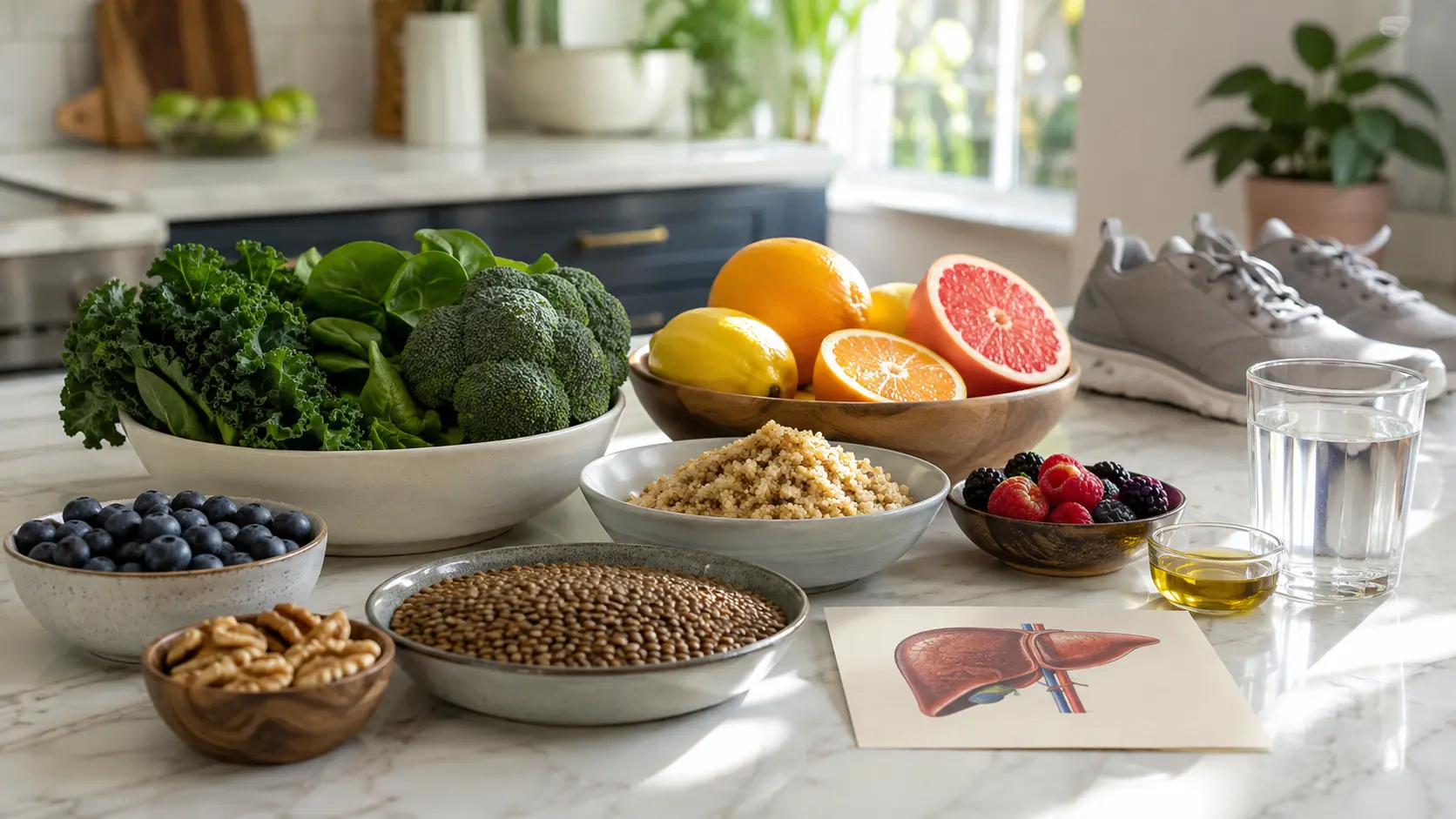
The liver is one of the body’s hardest-working organs.
It processes nutrients, produces bile, helps regulate blood sugar and cholesterol, makes proteins needed for blood clotting, and breaks down alcohol, medications, and other substances.
Because the liver performs so many essential tasks, products promising to “cleanse,” “flush,” or “detox” it can sound appealing. However, a healthy liver already handles the body’s normal detoxification processes.
There is no special juice, tea, herb, or short-term cleanse proven to wash toxins out of the liver.
Supporting liver health usually means reducing the factors that place unnecessary strain on it
A nutritious eating pattern, regular physical activity, sustainable weight management, limited alcohol intake, infection prevention, and careful use of medications and supplements are far more meaningful than a commercial detox program.
Natural approaches may support general health or reduce certain liver-disease risk factors, but they cannot treat every cause of liver damage.
Viral hepatitis, alcohol-associated liver disease, medication-related injury, autoimmune disease, inherited disorders, and advanced liver scarring require appropriate medical evaluation and treatment.
What Supporting Liver Health Really Means
The liver receives blood from the digestive system and processes many of the nutrients, medicines, chemicals, and waste products carried in that blood.
It also produces bile, which helps the body digest fats.
When people talk about “supporting” the liver, they may mean several different things:
- Maintaining normal liver function
- Reducing the risk of excess fat accumulating in the liver
- Preventing additional damage in someone with liver disease
- Treating a diagnosed liver condition
- Using a commercial product marketed as a detoxifier
These are not interchangeable.
Healthy habits can reduce some preventable liver risks. However, treating an existing liver condition depends on its cause.
For example, hepatitis may require antiviral treatment, advanced metabolic liver disease may need medical management, and severe liver injury may require urgent hospital care.
The National Institute of Diabetes and Digestive and Kidney Diseases recommends regular physical activity, a healthy diet, appropriate portion sizes, and maintaining a healthy weight to help prevent metabolic fatty liver disease.
1. Build Meals Around Minimally Processed Foods
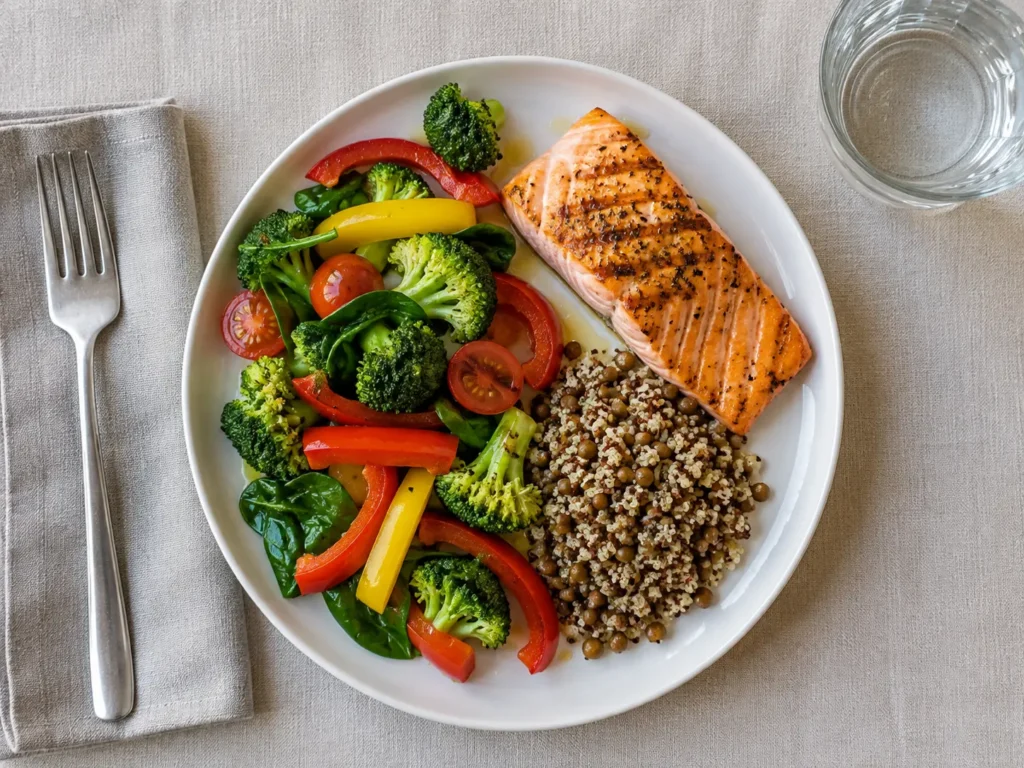
One of the most practical ways to support liver health is to improve your overall eating pattern. No single food cleans the liver.
The benefit comes from what you eat consistently over weeks, months, and years.
A liver-supportive eating pattern generally emphasizes:
- Vegetables of different colors
- Whole fruits rather than frequent fruit juice
- Beans, peas, and lentils
- Whole grains
- Fish and lean sources of protein
- Nuts and seeds
- Unsaturated fats, including olive oil
- Reasonable portion sizes
Try to limit foods and drinks that make it easier to consume excessive calories, added sugar, refined carbohydrates, or saturated fat.
These may include sugar-sweetened beverages, candy, pastries, heavily processed snack foods, fried meals, and oversized restaurant portions.
Sugary beverages deserve special attention because they provide a large amount of rapidly absorbed sugar without offering much fullness.
NIDDK notes that clinicians assessing fatty liver risk commonly ask about diets high in sugar and the regular consumption of sugary drinks.
A Mediterranean-style eating pattern is one reasonable option.
It typically centers on vegetables, fruits, beans, whole grains, fish, nuts, and olive oil while limiting heavily processed foods and large amounts of saturated fat.
A simple liver-supportive plate
For many meals, aim to fill:
- About half the plate with non-starchy vegetables
- About one-quarter with a source of protein
- About one-quarter with a high-fiber carbohydrate, such as beans, brown rice, quinoa, or another whole grain
Add a modest amount of healthy fat, such as olive oil, avocado, nuts, or seeds.
Individual nutritional needs vary.
People with cirrhosis, diabetes, kidney disease, digestive conditions, or prescribed sodium or fluid restrictions may need a personalized meal plan.
2. Work Toward a Sustainable Weight
Excess body fat, especially around the abdomen, is associated with insulin resistance and a greater likelihood of fat accumulating in the liver.
In people with overweight or obesity and metabolic fatty liver disease, gradual weight loss may reduce liver fat and improve inflammation.
The goal should not be a crash diet.
Rapid, highly restrictive plans are difficult to maintain and may deprive the body of protein, vitamins, minerals, and energy.
More sustainable strategies include:
- Reducing portion sizes gradually.
- Replacing sugary drinks with water or unsweetened beverages.
- Eating more fiber-rich foods.
- Planning meals before becoming extremely hungry.
- Combining dietary changes with regular movement.
- Monitoring progress over months rather than days.
A person does not need to reach an “ideal” number on the scale before benefiting.
Modest, sustained changes can improve blood sugar, blood pressure, cholesterol, mobility, and other factors related to liver and cardiovascular health.
People with a history of disordered eating, pregnancy, advanced liver disease, diabetes treated with glucose-lowering medication, or significant chronic illness should discuss weight-loss plans with a qualified healthcare professional.
3. Move Your Body Regularly
Exercise supports more than calorie burning.
Regular activity may improve insulin sensitivity, cardiovascular fitness, muscle function, sleep, and weight management—all of which can influence metabolic liver health.
Useful forms of movement include:
- Brisk walking
- Cycling
- Swimming
- Dancing
- Resistance-band exercises
- Body-weight exercises
- Strength training with appropriate supervision
- Short walking breaks during long periods of sitting
Inactive readers can start with five- or ten-minute sessions and gradually increase the duration. Consistency matters more than choosing the most intense workout.
A balanced routine generally combines aerobic exercise with muscle-strengthening activity.
However, people with severe fatigue, significant abdominal swelling, heart or lung disease, balance problems, or advanced cirrhosis should ask their healthcare team which activities are appropriate.
Exercise can support liver health, but it is not a substitute for medical treatment when liver disease is already present.
4. Limit or Avoid Alcohol
Alcohol is processed primarily by the liver. Repeated heavy intake can lead to fat accumulation, inflammation, scarring, cirrhosis, liver failure, and an increased risk of liver cancer.
Reducing alcohol exposure is therefore one of the most direct ways to reduce avoidable liver stress.
Do not rely on:
- Hangover-prevention pills
- “Liver protection” capsules
- Detox teas
- Vitamins taken before drinking
- Herbal products marketed for alcohol recovery
None of these products cancels the effects of excessive alcohol.
People with cirrhosis are advised to stop drinking because alcohol can cause further liver damage.
People who are pregnant, take certain medications, cannot reliably control their intake, or have a diagnosed liver condition may also need to avoid alcohol completely.
Anyone concerned about their drinking should speak with a clinician.
Shaking, sweating, agitation, hallucinations, seizures, or severe illness after reducing heavy alcohol use can indicate dangerous withdrawal and require urgent medical attention.
5. Consider Coffee as a Beverage, Not a Treatment
Research has found associations between coffee consumption and lower rates of certain chronic liver outcomes.
However, coffee should not be treated as medicine, and it cannot reverse every form of liver damage.
For people who already tolerate caffeine, moderate amounts of plain coffee may fit within a healthy eating pattern.
Its potential advantage can quickly be offset when it is loaded with sugar, flavored syrups, whipped cream, or large quantities of saturated fat.
Coffee may not be appropriate for everyone. Caffeine can aggravate:
- Insomnia
- Anxiety
- Acid reflux
- Heart palpitations
- Certain heart rhythm disorders
- Caffeine-sensitive headaches
- Poorly controlled blood pressure in some people
Pregnant individuals should follow current medical guidance regarding caffeine limits.
There is no need to start drinking coffee solely for liver health.
People who dislike it or cannot tolerate caffeine can focus on better-established habits such as nutritious meals, exercise, weight management, alcohol reduction, and medical screening.
6. Stay Adequately Hydrated
Water supports circulation, digestion, temperature regulation, kidney function, and general health. Replacing sugary beverages with water may also help reduce excess calorie and sugar intake.
However, water does not physically rinse toxins out of the liver. Drinking extreme quantities will not speed liver repair and can cause dangerously low blood sodium.
A reasonable approach is to drink according to thirst, activity, climate, diet, and individual medical needs. Fluid requirements may increase during hot weather, exercise, fever, vomiting, or diarrhea.
People with advanced cirrhosis, heart failure, kidney disease, or a prescribed fluid restriction should follow their healthcare professional’s instructions rather than general hydration advice.
7. Protect Yourself From Viral Hepatitis
Not all liver disease is related to food, weight, or alcohol. Hepatitis viruses can cause inflammation and long-term liver damage.
Hepatitis A and hepatitis B can be prevented through vaccination. The CDC describes vaccination as the best way to protect against hepatitis A and confirms that hepatitis B is also vaccine-preventable.
Other practical measures include:
- Do not share needles or injection equipment.
- Avoid sharing razors, toothbrushes, or items that may contain blood.
- Choose licensed tattoo and piercing facilities that follow infection-control practices.
- Use appropriate protection when blood or sexual exposure is possible.
- Follow safe food and water practices while traveling.
- Ask about hepatitis B and C testing if you have risk factors or possible exposure.
Vaccination and testing are not home remedies, but they are among the most effective ways to prevent serious liver complications.
Popular Herbs and Supplements for Liver Health
Many supplements are marketed with pictures of green leaves, scientific-looking labels, and promises to detoxify or regenerate the liver.
These claims often go well beyond the available evidence.
A supplement may contain a biologically active ingredient, but that does not mean it has been proven to improve liver health.
Concentrated extracts may also act differently from the small amounts naturally present in food.
Milk thistle
Milk thistle contains a mixture of compounds known as silymarin. It has a long history of traditional use for liver complaints and remains one of the most heavily promoted liver supplements.
Laboratory findings have generated interest in its possible antioxidant and anti-inflammatory effects.
However, clinical trials in people with alcohol-related liver disease, viral hepatitis, metabolic fatty liver disease, and other liver conditions have been conflicting or too limited to support firm conclusions.
NCCIH also reports that dietary supplements, including milk thistle, have not been shown to treat hepatitis C effectively.
Possible side effects include:
- Nausea
- Gas
- Bloating
- Diarrhea or a laxative effect
- Allergic reactions
People allergic to ragweed, daisies, chrysanthemums, or related plants may be more likely to react.
Medication interactions are also possible, and reliable safety information during pregnancy and breastfeeding is limited.
Milk thistle should never replace antiviral therapy, prescribed medication, diagnostic testing, or treatment for a known liver condition.
Turmeric and curcumin
Turmeric is commonly used as a culinary spice and is generally different from taking a concentrated curcumin extract.
Curcumin has been studied for possible anti-inflammatory and metabolic effects, but evidence is not strong enough to recommend it as a general treatment for liver disease.
Concentrated products can cause digestive symptoms and may interact with medicines.
Some formulations are designed to dramatically increase curcumin absorption, and liver injury has been reported in people using certain high-bioavailability products.
NCCIH advises users who develop fatigue, nausea, poor appetite, dark urine, or jaundice to stop the product and contact a healthcare professional.
Additional caution is appropriate for people who:
- Take blood-thinning medication
- Have gallstones or bile-duct disease
- Are preparing for surgery
- Are pregnant or breastfeeding
- Take several medications
- Have existing liver disease
Using turmeric in ordinary food amounts is not the same as taking a high-dose extract.
Green tea and green tea extract
Traditionally brewed green tea and concentrated green tea extract should be considered separately.
A cup of green tea contains a much lower concentration of certain compounds than some weight-loss or antioxidant capsules.
Although uncommon, liver injury has been reported most often with green tea extracts in tablets and capsules.
Green tea and its extracts may also interact with medications. NCCIH notes reported interactions involving nadolol, atorvastatin, and raloxifene, among other possible medicines.
Someone with liver disease should not assume a green tea extract is beneficial simply because brewed tea is widely consumed.
Kava
Kava is sometimes promoted for anxiety or relaxation, but it is not a liver-health remedy.
Various kava products have been linked to rare cases of serious and occasionally fatal liver injury.
People with liver disease, those taking medicines that affect the liver, and anyone who drinks alcohol should be particularly cautious.
Other products that may be risky
Additional herbs and supplement categories associated with liver concerns include:
- Comfrey
- Chaparral
- Greater celandine
- Concentrated green tea extracts
- Certain high-dose turmeric or curcumin extracts
- Multi-ingredient detox blends
- Some bodybuilding products
- Some rapid-weight-loss supplements
- Products with undisclosed or substituted ingredients
This is not a complete list.
Multi-ingredient products can be especially difficult to evaluate because it may be unclear which ingredient caused a reaction.
Why Natural Does Not Always Mean Safe
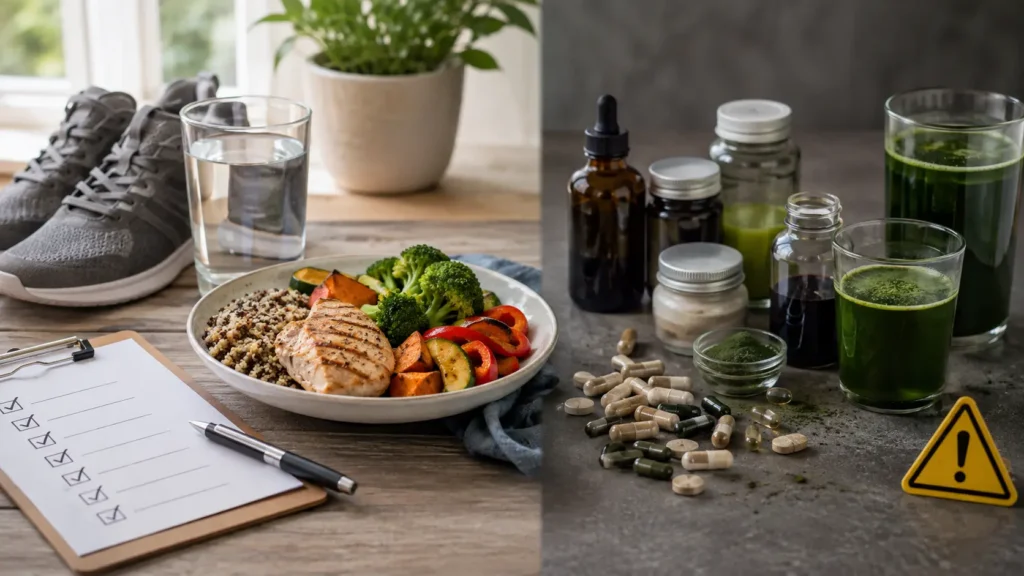
Plants produce powerful chemicals.
Some become useful medicines; others can be toxic. Whether a substance is natural tells you where it came from—not whether it is safe for your liver.
In the United States, dietary supplements do not go through the same premarket approval process as prescription drugs.
Products can also differ in ingredient concentration, purity, labeling accuracy, and manufacturing quality.
Potential problems include:
- An ingredient not listed on the label
- A different plant substituted for the advertised herb
- Contamination with drugs, pesticides, or heavy metals
- Excessively concentrated extracts
- Inaccurate dosing information
- Interactions with prescription medication
- Several products supplying the same active ingredient
- Unproven claims that encourage delayed medical care
The FDA warns that combining supplements with medications can lead to serious and potentially life-threatening interactions.
Before taking a liver supplement, ask:
- What condition am I trying to address?
- Is there good human evidence that this product helps?
- Could it interact with my medicines?
- Does the label list every ingredient and dose?
- Has the product been independently tested for quality?
- Do I have liver, kidney, gallbladder, bleeding, or heart problems?
- Am I pregnant, breastfeeding, preparing for surgery, or giving it to a child?
- Has a doctor or pharmacist reviewed it?
A quality-testing seal may offer some reassurance that a product contains what the label claims, but it does not prove that the supplement works or is safe for every person.
A Simple Daily Routine for Liver Health
A useful liver-support routine does not require fasting, expensive powders, or complicated drinks.
Morning
Take prescribed medications exactly as directed.
Eat a balanced breakfast when hungry, such as oatmeal with berries and nuts, eggs with vegetables and whole-grain toast, or plain yogurt with fruit and seeds.
Include a brief walk or another form of movement when practical.
During the day
Build meals around vegetables, fiber-rich carbohydrates, and an appropriate protein source.
Choose water or an unsweetened beverage more often than soda, sweet tea, or energy drinks.
Break up long periods of sitting with a few minutes of walking or gentle movement.
Evening
Keep dinner portions comfortable rather than overly large. Avoid using alcohol as a sleep aid.
Before taking a new vitamin, herbal blend, or sleep supplement, check the ingredients and discuss possible interactions with a pharmacist.
Aim for a consistent sleep schedule. Sleep does not detox the liver, but adequate rest can support appetite regulation, energy, metabolic health, and the ability to maintain healthy routines.
Common Mistakes That May Harm the Liver
Taking more acetaminophen than intended
Acetaminophen is found in many pain, cold, flu, and combination products. A person may accidentally take too much by using several medicines with acetaminophen at the same time.
Read active-ingredient labels carefully. Never exceed the labeled or prescribed amount, and ask a pharmacist before combining products.
A suspected overdose requires immediate medical help, even when the person initially feels well.
Mixing alcohol with medication
Alcohol may increase drowsiness, bleeding risk, stomach irritation, or liver stress when combined with certain medications. Ask a doctor or pharmacist whether alcohol is safe with each prescription and over-the-counter product you take.
Starting several supplements at once
When multiple supplements are started together, it becomes difficult to identify which one caused nausea, a rash, abnormal liver tests, or another adverse effect.
Using bodybuilding or weight-loss supplements
Some products sold for muscle growth, fat burning, or rapid weight loss have contained undeclared drug ingredients or compounds associated with liver injury.
Claims such as “pharmaceutical strength,” “extreme,” or “rapid transformation” should prompt extra caution.
Crash dieting
Very restrictive plans may cause dehydration, nutrient deficiencies, loss of muscle, or medication-related blood sugar problems. They rarely create lasting improvement.
Treating jaundice at home
Yellow skin or eyes, dark urine, pale stools, abdominal swelling, or confusion may reflect a serious liver, gallbladder, pancreatic, blood, or bile-duct problem.
These symptoms should not be managed with detox drinks.
Stopping prescribed medicine
Do not stop a prescribed medication because a supplement is marketed as a natural replacement.
Some liver diseases can progress without obvious symptoms, making effective treatment and follow-up especially important.
Who Should Get Medical Advice Before Trying a Remedy?
Speak with a doctor or pharmacist before using herbal or concentrated dietary supplements if you:
- Have fatty liver disease, hepatitis, cirrhosis, or abnormal liver tests
- Take several prescription medicines
- Take blood thinners, seizure medication, diabetes drugs, transplant medicine, or immunosuppressants
- Have kidney, gallbladder, heart, or bleeding problems
- Are pregnant or breastfeeding
- Are preparing for surgery
- Are older and sensitive to medication interactions
- Are considering giving the product to a child
- Drink alcohol heavily
- Have previously had a reaction to a supplement
- Have received a liver transplant
People with cirrhosis may require individualized guidance about sodium, protein, meal timing, food safety, medication dosing, and fluid intake.
General internet advice may be inappropriate for them.
When to Seek Medical Care
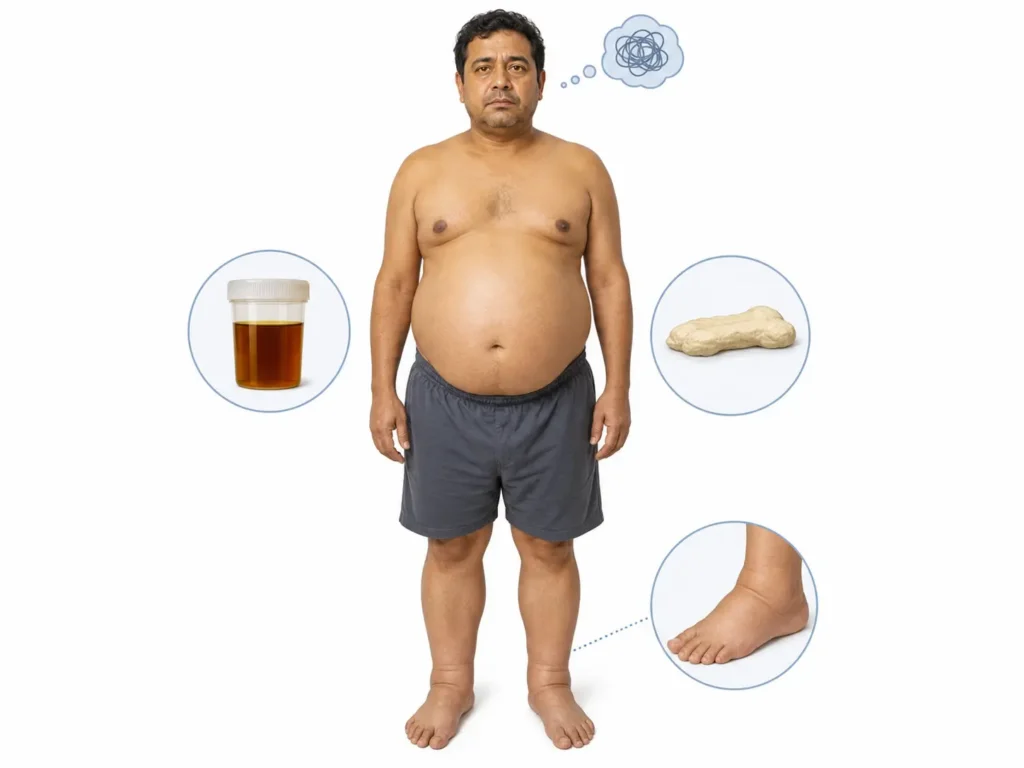
Liver disease sometimes causes few or no symptoms until it becomes advanced.
Testing is important when risk factors, medication exposure, or abnormal laboratory results are present.
Arrange a medical appointment for:
- Persistent or unexplained fatigue
- Ongoing nausea or reduced appetite
- Repeated discomfort in the upper-right abdomen
- Unexplained itching
- Dark urine
- Pale or clay-colored stools
- Abnormal liver test results
- A possible hepatitis exposure
- Symptoms beginning after a new medicine or supplement
- Concern about alcohol use
- Swelling in the legs or abdomen
Dark urine, pale stool, itching, abdominal or leg swelling, and jaundice can occur with liver or bile-duct disorders and should be medically evaluated.
Seek urgent medical attention for:
- Yellowing of the skin or eyes
- Confusion, unusual sleepiness, or a sudden personality change
- Vomiting blood
- Black, tarry stools
- Severe or rapidly increasing abdominal swelling
- Fainting
- Severe upper-abdominal pain
- Significant weakness or difficulty staying awake
- Suspected medication or supplement overdose
Advanced cirrhosis can cause abdominal fluid buildup, bleeding, jaundice, and confusion.
These are not symptoms to monitor at home while trying a cleanse.
The Bottom Line
The most effective natural approaches to liver health are not dramatic.
They are consistent habits that reduce preventable stress on the liver and improve overall metabolic health.
Choose mostly minimally processed foods, stay physically active, pursue sustainable weight management when needed, limit or avoid alcohol, protect yourself from viral hepatitis, and use medications and supplements carefully.
Milk thistle, curcumin, green tea extract, and other supplements are not proven cures for liver disease. Some may cause side effects, interact with medication, or injure the liver in susceptible people.
Most importantly, do not use home remedies to delay testing or treatment.
Persistent symptoms, abnormal liver tests, jaundice, abdominal swelling, confusion, or signs of bleeding require professional medical care.