Life doesn’t hand out breaks very often. Between work deadlines, family responsibilities, and a news cycle that never seems to slow down, feeling stressed has become something close to a default setting for a lot of people.
In fact, the American Psychological Association’s 2025 Stress in America survey found that nearly seven in ten U.S. adults said they needed more emotional support in the past year than they actually received, and that societal division and loneliness are weighing heavily on people’s day-to-day stress levels [1].
The good news: you don’t need an expensive retreat or a prescription to start feeling calmer. A number of simple, low-cost habits have real research behind them for helping the body and mind recover from stress.
Below are 12 of the most well-studied natural remedies for stress, along with what the research actually says — including where the evidence is strong and where it’s still limited.
A quick note before we start: this article is for general information only and isn’t a substitute for medical or mental health advice. If stress feels constant, overwhelming, or is affecting your ability to function day to day, please talk with a doctor or licensed therapist.
1. Practice Diaphragmatic or “Box” Breathing
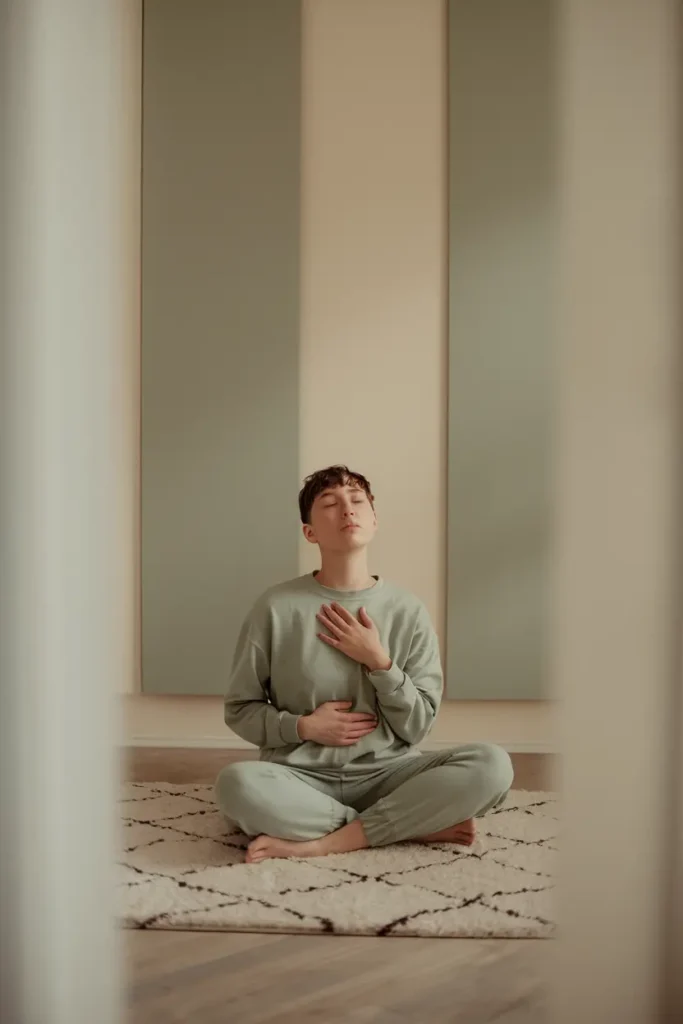
Slow, deep breathing from the diaphragm (rather than shallow chest breathing) is one of the most consistently studied natural stress remedies.
A systematic review published in JBI Evidence Synthesis found that diaphragmatic breathing can lower physiological markers of stress, including cortisol and blood pressure, as well as self-reported psychological stress [2].
Separate research has linked regular practice to reduced anxiety and improved attention, with some studies showing benefits after sessions as short as five minutes a day [3].
How to try it: Box breathing is a simple version — inhale for 4 counts, hold for 4, exhale for 4, hold for 4, and repeat for a few minutes.
2. Take a Brisk Walk Outdoors
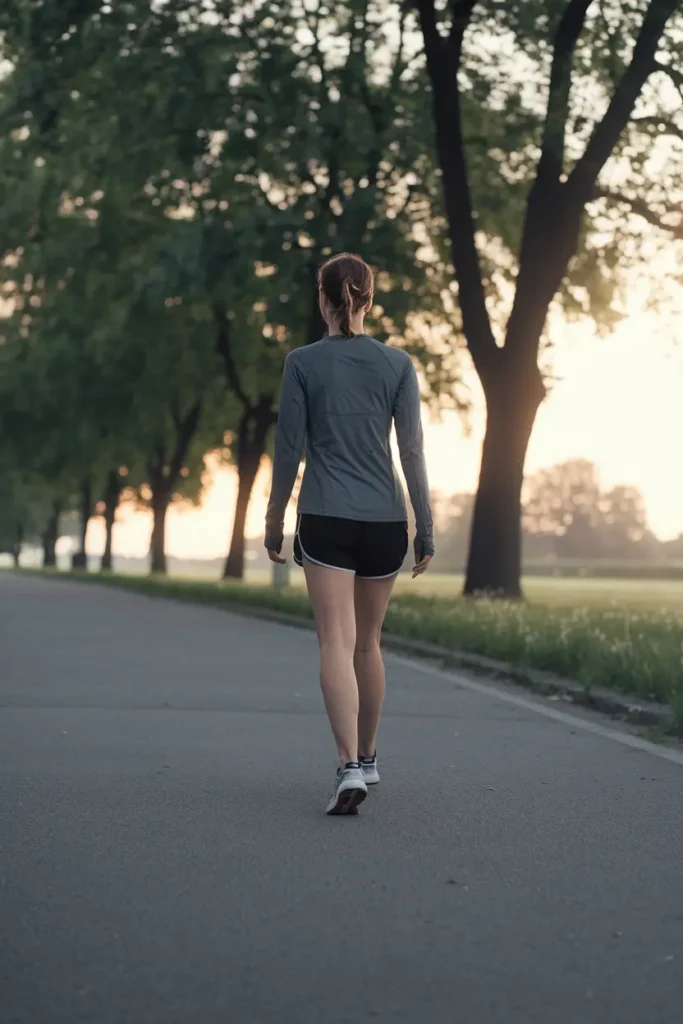
Moderate aerobic movement, like a 20–30 minute walk, has been shown to blunt the body’s cortisol response to a subsequent stressful task.
In one study, participants who walked outdoors for about 30 minutes — especially through a park — showed a smaller cortisol spike when faced with a stressful speaking and math task afterward, compared with people who hadn’t walked at all [4].
Research also suggests regular aerobic activity can lower baseline cortisol over time [5].
How to try it: Aim for a brisk, comfortable pace rather than a punishing one — the research points to moderate activity, not exhaustion, as the sweet spot for stress relief.
3. Spend Time in Nature (“Forest Bathing”)
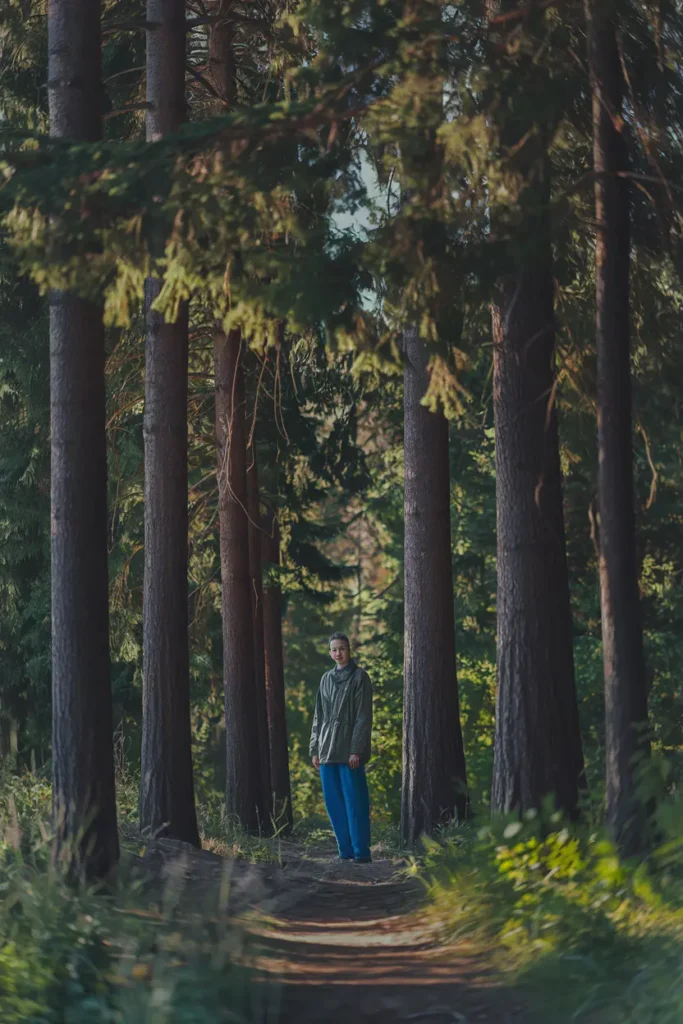
There’s growing evidence that time spent in green spaces does something a plain walk indoors doesn’t.
A study measuring both heart rate variability and salivary cortisol found that even a single walk through a forest environment reduced physiological stress markers more than a comparable walk through an urban area [6].
A separate trial with older adults found that repeated 40-minute forest walks over a month led to measurably lower cumulative stress hormone levels, along with improvements in emotional well-being [7].
How to try it: You don’t need a literal forest, a wooded park or nature trail appears to offer similar benefits.
4. Try Progressive Muscle Relaxation (PMR)
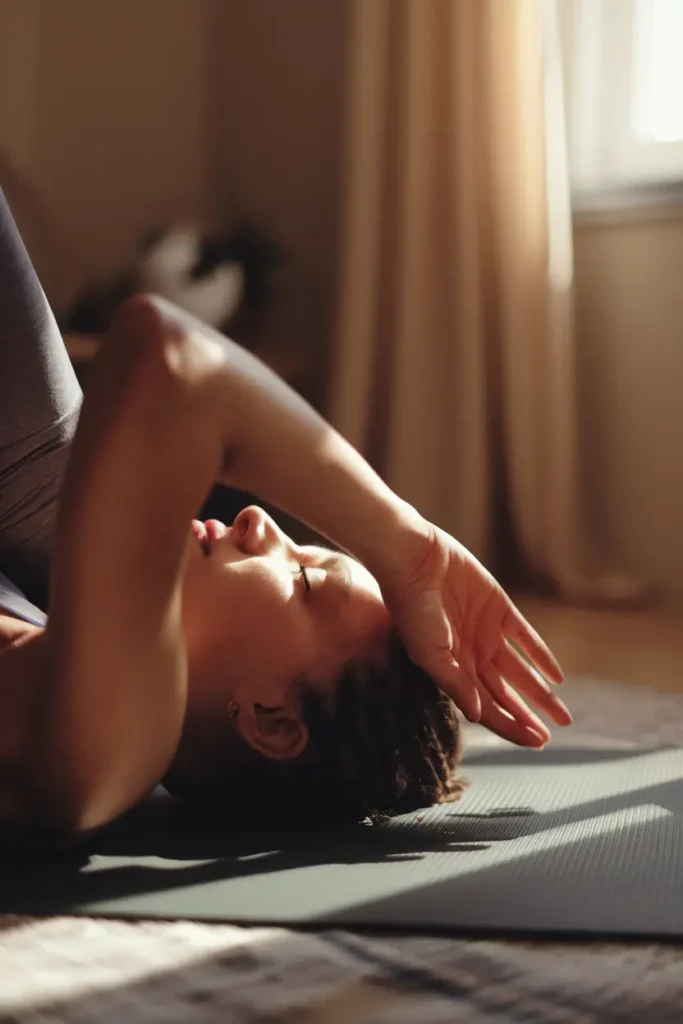
PMR involves tensing and then releasing individual muscle groups, one at a time, to trigger the body’s relaxation response.
A 2024 systematic review of PMR studies in adults found meaningful reductions in both stress and anxiety, with effect sizes ranging from small to quite large depending on the study [8].
It’s also one of the few relaxation techniques studied specifically in high-stress groups like nurses and shift workers, with similar results [9].
How to try it: Starting at your feet and working upward, tense each muscle group for about 5 seconds, then release and notice the difference before moving to the next group.
5. Sip Chamomile Tea
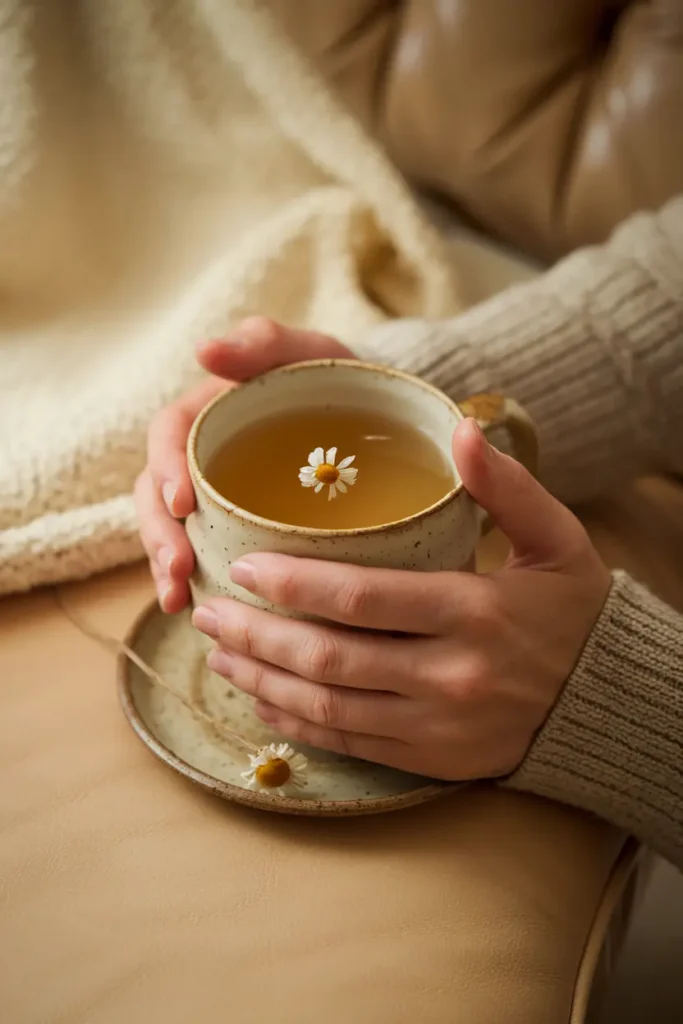
Chamomile has a long history as a calming remedy, and there’s now a reasonable body of clinical research behind it.
A randomized, placebo-controlled trial found that a standardized chamomile extract produced a modest but statistically significant reduction in anxiety symptoms in adults with generalized anxiety disorder [10].
A broader review of chamomile research concluded that oral chamomile — in tea, extract, or capsule form — was associated with reduced anxiety in most of the studies reviewed, though study quality varies and effects are generally modest rather than dramatic [11].
How to try it: A cup of chamomile tea in the evening is a low-risk way to build in a calming ritual, though it’s worth checking with a doctor first if you’re on other medications, since herbal supplements can interact with them.
6. Use Lavender Aromatherapy
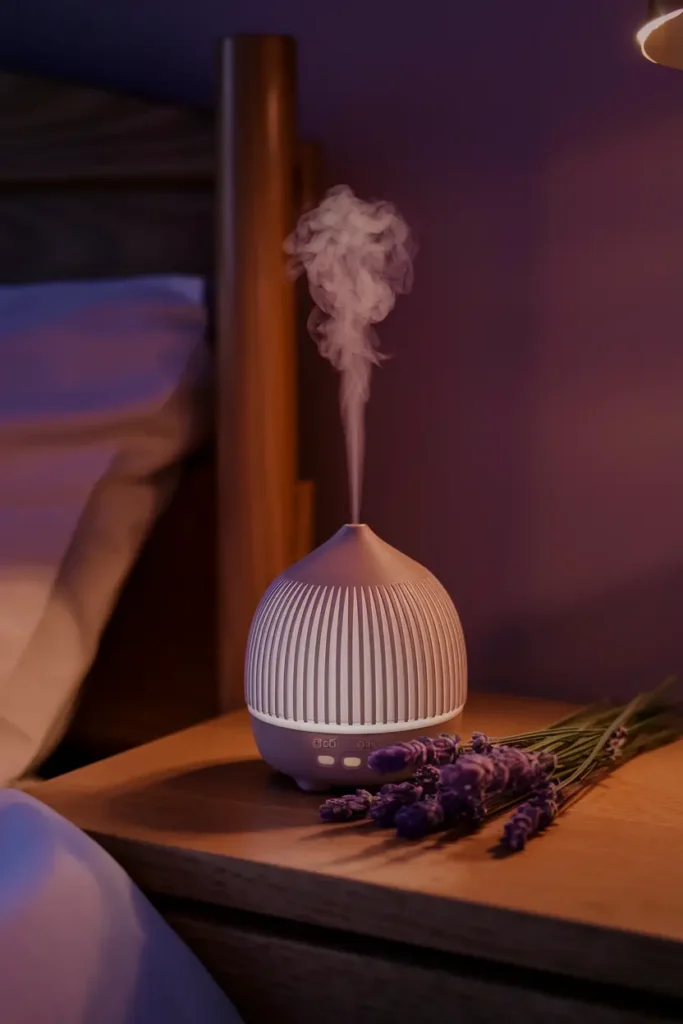
Lavender is one of the more heavily studied essential oils for anxiety and stress.
A systematic review and meta-analysis covering dozens of randomized trials concluded that inhaling lavender essential oil can meaningfully reduce anxiety levels, particularly for short-term, situational anxiety [12].
A more recent, narrower review focused specifically on inhalation found that 10 of 11 clinical trials reported significantly lower anxiety after lavender inhalation [13].
Reviewers do note that the overall quality of the underlying studies is mixed, so lavender should be seen as a helpful complementary tool rather than a stand-alone treatment.
How to try it: A few drops in a diffuser, or lavender-scented lotion before bed, are common low-cost ways to use it.
7. Keep a Gratitude Journal
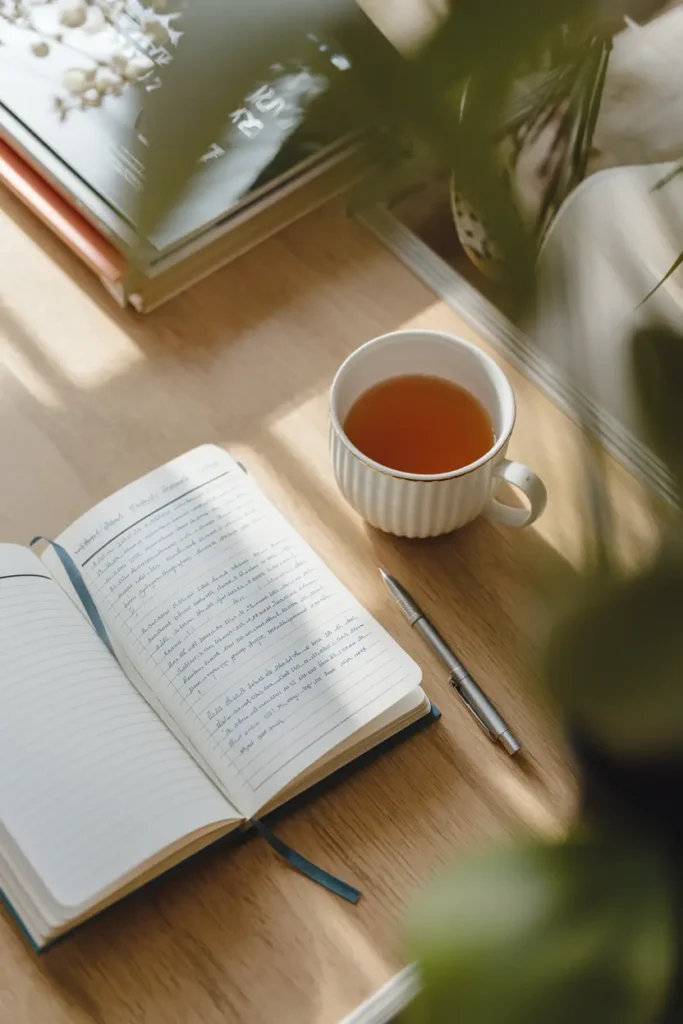
Regularly writing down a few things you’re thankful for is a small habit with a surprisingly consistent research base.
A pilot study of a two-week gratitude journaling intervention among parents of preschoolers found reductions in parental stress alongside improvements in overall well-being [14], and similar findings have shown up in other populations, including parents of older children with emotional or behavioral challenges [15].
How to try it: Three items a day is a common, low-effort starting point — they don’t need to be big; “a good cup of coffee this morning” counts.
8. Try Expressive “Brain Dump” Journaling

Separate from gratitude journaling, expressive writing, where you write freely about whatever is worrying or upsetting you, has been studied since the 1980s, originally by psychologist James Pennebaker.
Reviews of this research generally show small-to-moderate benefits for both physical and psychological health outcomes, particularly when writing about a specific stressor for 15–20 minutes over a few consecutive days [16].
A more recent meta-analysis of 20 journaling intervention studies found an average, statistically significant reduction in mental health symptom scores compared with control groups, with a somewhat larger benefit for anxiety specifically [17].
How to try it: Set a timer for 10–15 minutes and write without worrying about grammar or structure — the goal is to get thoughts out of your head, not to produce something polished.
9. Prioritize Consistent, Adequate Sleep
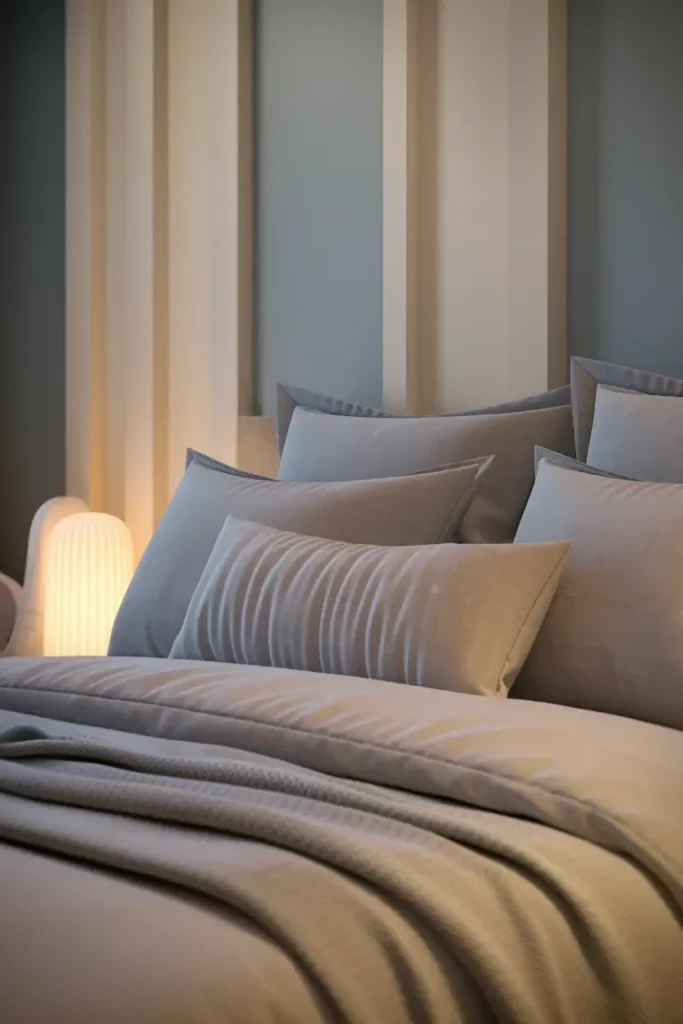
Sleep and stress have a two-way relationship: stress disrupts sleep, and poor sleep makes the body’s stress response worse.
Experimental studies using acute sleep deprivation have found that missing a night of sleep leads to elevated baseline cortisol and an altered cortisol response to a subsequent stressful task [18].
Reviews of the broader research link poor sleep efficiency to heightened cardiovascular and hormonal reactivity to stress over time [19].
How to try it: Most sleep experts recommend 7–9 hours a night for adults; keeping a consistent bedtime and wake time, even on weekends, tends to help more than any single “sleep hack.”
10. Cut Back on Caffeine, Especially Later in the Day
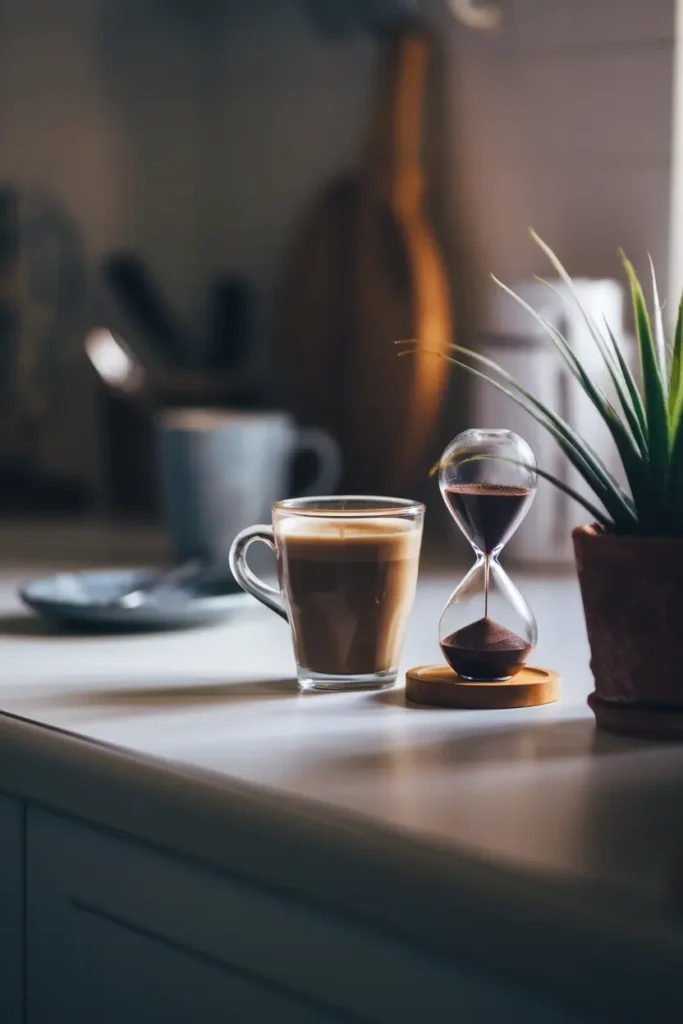
Caffeine is a stimulant, and the research on caffeine and anxiety is fairly consistent: higher intake is associated with a greater risk of anxiety symptoms.
A 2024 meta-analysis pooling data from multiple studies found that caffeine intake increased the risk of anxiety overall, with the effect becoming much stronger at higher doses (above roughly 400 mg per day, or about four cups of coffee) [20].
Lower, moderate intake had a smaller, but still measurable, association with anxiety risk [21].
How to try it: If you’re sensitive to caffeine, consider capping intake earlier in the day, and pay attention to how your own body responds, sensitivity varies quite a bit from person to person.
11. Lean on Your Social Support Network

Decades of psychological research support what’s known as the “stress-buffering hypothesis”: social support from friends and family doesn’t just feel nice, it appears to genuinely soften the physical and psychological impact of stress, particularly during high-stress periods [22].
This lines up with the APA’s 2025 national survey, which found that people who felt isolated or lacked companionship were considerably more likely to report anxiety, fatigue, and other stress-related symptoms than those who felt well-connected [1].
How to try it: A short phone call or in-person conversation tends to have more impact on connection than a text exchange — worth keeping in mind if your “socializing” has drifted mostly into typing.
12. Get Enough Magnesium
Magnesium plays a role in regulating the nervous system, and low magnesium status has been linked to higher subjective anxiety in some populations.
A systematic review of 18 studies found evidence suggestive of a beneficial effect of magnesium supplementation on anxiety, particularly in people who already had elevated anxiety, PMS, or hypertension — though the review was careful to note the evidence is mixed and no study had directly measured a validated stress scale as its outcome [23].
A more recent 2024 systematic review reached a similarly cautious conclusion: several trials showed a benefit for anxiety, especially at higher doses, but study quality varies and results aren’t fully consistent [24].
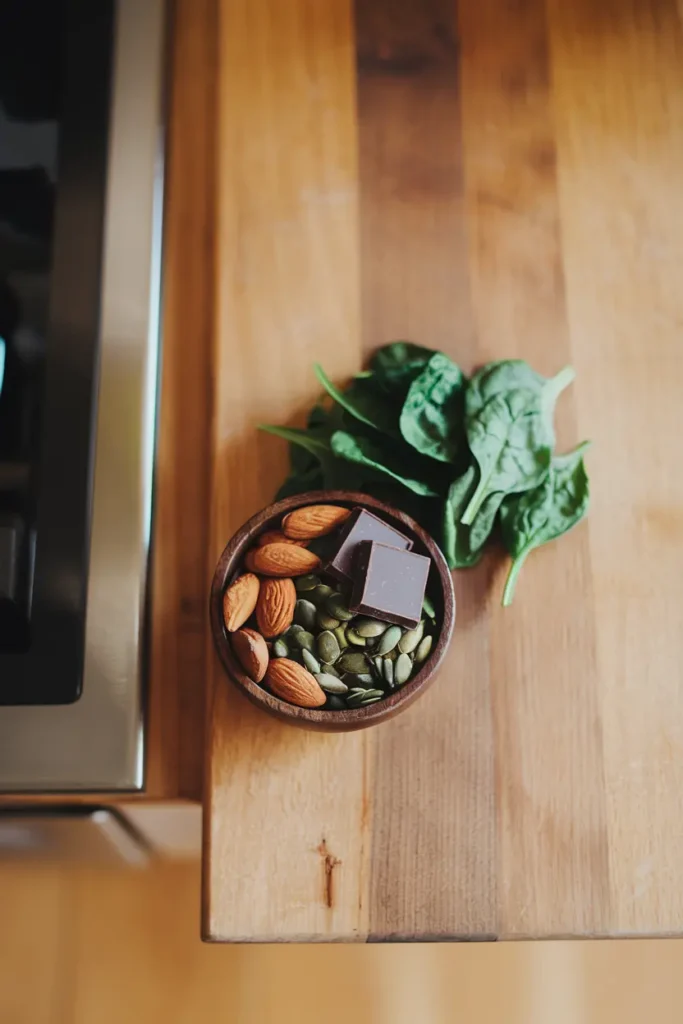
How to try it: Magnesium-rich foods, like leafy greens, almonds, pumpkin seeds, and dark chocolate, are a reasonable place to start. Talk to a doctor before adding a magnesium supplement, especially if you take other medications, since supplement doses and interactions are outside the scope of general wellness advice.
FAQs
What is the fastest natural way to reduce stress? Of the remedies with research behind them, slow diaphragmatic breathing tends to produce the quickest measurable shift — some studies show changes in cortisol and heart rate within a single session [2][3]. That said, “fastest” doesn’t necessarily mean “most effective” for you personally; it’s worth trying a few options to see what fits your life.
Can diet really affect stress levels? There’s reasonable evidence that specific nutrients — magnesium being one of the better-studied examples — are connected to anxiety and stress regulation [23][24]. Diet is one piece of a larger picture rather than a stand-alone fix, though.
Do herbal teas like chamomile actually help with stress? The research is generally positive but modest — multiple clinical trials show chamomile can reduce anxiety symptoms, though effects tend to be smaller than what you’d see from prescription medication, and study quality varies [10][11]. It’s reasonable to view chamomile as a gentle, low-risk complement rather than a primary treatment.
The Bottom Line
None of these remedies are a substitute for professional support if stress has become chronic or overwhelming, but the research does support trying a few of these low-cost, low-risk habits as part of everyday stress management.
Pick one or two that feel realistic for your schedule, give them a couple of weeks, and adjust from there.
This article is for informational purposes only and isn’t a substitute for professional medical or mental health advice. If you’re struggling with ongoing or severe stress, anxiety, or feel unable to cope, please reach out to a doctor, licensed therapist, or a crisis line in your area.
References
- American Psychological Association. Stress in America 2025: A Crisis of Connection. Washington, DC: APA; 2025. https://www.apa.org/pubs/reports/stress-in-america/2025
- Hopper SI, Murray SL, Ferrara LR, Singleton JK. Effectiveness of diaphragmatic breathing for reducing physiological and psychological stress in adults: a quantitative systematic review. JBI Evidence Synthesis. 2019. https://journals.lww.com/jbisrir/fulltext/2019/09000/effectiveness_of_diaphragmatic_breathing_for.6.aspx
- Psych Central. Box Breathing: Mental Health Benefits and Tips for Beginners. https://psychcentral.com/health/box-breathing
- Wood CJ, Clow A, Hucklebridge F, Law R, Smyth N. Physical fitness and prior physical activity are both associated with less cortisol secretion during psychosocial stress. Anxiety, Stress & Coping / discussed in: The effects of exercise intensity on the cortisol response to a subsequent acute psychosocial stressor. ScienceDirect. 2021. https://www.sciencedirect.com/science/article/pii/S0306453021002109
- Stanford Lifestyle Medicine. How Exercise Balances Cortisol Levels. https://lifestylemedicine.stanford.edu/how-exercise-balances-cortisol-levels/
- Is Greener Better? Quantifying the Impact of a Nature Walk on Stress Reduction Using HRV and Saliva Cortisol Biomarkers. International Journal of Environmental Research and Public Health / MDPI. 2024. https://www.mdpi.com/1660-4601/21/11/1491
- Reduced hair cortisol concentrations are associated with improved emotional wellbeing in older adults following repeated forest walking. PMC. https://www.ncbi.nlm.nih.gov/pmc/articles/PMC12216778/
- Toh SHY, et al. Efficacy of Progressive Muscle Relaxation in Adults for Stress, Anxiety, and Depression: A Systematic Review. Psychology Research and Behavior Management (Dove Press). 2024. https://www.dovepress.com/efficacy-of-progressive-muscle-relaxation-in-adults-for-stress-anxiety-peer-reviewed-fulltext-article-PRBM
- The effect of the demonstration-based progressive muscle relaxation technique on stress and anxiety in nurses caring for COVID-19 patients: a randomized clinical trial. PMC. https://www.ncbi.nlm.nih.gov/pmc/articles/PMC9751506/
- Mao JJ, Xie SX, Keefe JR, Soeller I, Li QS, Amsterdam JD. Long-term chamomile (Matricaria chamomilla L.) treatment for generalized anxiety disorder: a randomized clinical trial. Phytomedicine. 2016;23:1735-1742. https://pmc.ncbi.nlm.nih.gov/articles/PMC5646235/
- The Effect of Oral Chamomile on Anxiety: A Systematic Review of Clinical Trials. Clinical Nutrition Research. 2024. https://e-cnr.org/DOIx.php?id=10.7762%2Fcnr.2024.13.2.139
- Donelli D, Antonelli M, Bellinazzi C, Gensini GF, Firenzuoli F. Effects of lavender on anxiety: A systematic review and meta-analysis. Phytomedicine. 2019. https://www.sciencedirect.com/science/article/pii/S0944711319303411
- Anxiety-Reducing Effects of Lavender Essential Oil Inhalation: A Systematic Review. Healthcare (MDPI). 2023. https://pmc.ncbi.nlm.nih.gov/articles/PMC10671255/
- The effects of a 2-week gratitude journaling intervention to reduce parental stress and enhance well-being: a pilot study among preschool parents. Discover Psychology (Springer). 2023. https://link.springer.com/article/10.1007/s44202-023-00099-x
- Kim-Godwin YS. Gratitude journaling study with parents of adolescents/adult children — cited in: The effects of a 2-week gratitude journaling intervention (see reference 14 for full context).
- Baikie KA, Wilhelm K. Emotional and physical health benefits of expressive writing. Advances in Psychiatric Treatment. https://sparq.stanford.edu/sites/g/files/sbiybj19021/files/media/file/baikie_wilhelm_2005_-_emotional_and_physical_health_benefits_of_expressive_writing.pdf
- Sohal M, Singh P, Dhillon BS, Gill HS. Efficacy of journaling in the management of mental illness: a systematic review and meta-analysis — discussed in: Therapeutic Journaling, U.S. Department of Veterans Affairs Whole Health Library. https://www.va.gov/WHOLEHEALTHLIBRARY/docs/Therapeutic-Journaling.pdf
- Investigating the effect of acute sleep deprivation on hypothalamic-pituitary-adrenal-axis response to a psychosocial stressor. ScienceDirect. 2017. https://www.sciencedirect.com/science/article/abs/pii/S0306453016305510
- Poor habitual sleep efficiency is associated with increased cardiovascular and cortisol stress reactivity in men. PubMed. https://pubmed.ncbi.nlm.nih.gov/28482312/
- Caffeine intake and anxiety: a meta-analysis. Frontiers in Psychology. 2024. https://www.frontiersin.org/journals/psychology/articles/10.3389/fpsyg.2024.1270246/full
- Caffeine Intake and Its Sex-Specific Association with General Anxiety: A Cross-Sectional Analysis among General Population Adults. PMC. https://www.ncbi.nlm.nih.gov/pmc/articles/PMC8951500/
- Cohen S, Wills TA. Stress, social support, and the buffering hypothesis. Psychological Bulletin. 1985 — discussed in: Social Support Hypothesis, ScienceDirect Topics. https://www.sciencedirect.com/topics/psychology/social-support-hypothesis
- Boyle NB, Lawton C, Dye L. The Effects of Magnesium Supplementation on Subjective Anxiety and Stress—A Systematic Review. Nutrients. 2017;9(5):429. https://www.ncbi.nlm.nih.gov/pmc/articles/PMC5452159/
- Examining the Effects of Supplemental Magnesium on Self-Reported Anxiety and Sleep Quality: A Systematic Review. Cureus. 2024. https://pmc.ncbi.nlm.nih.gov/articles/PMC11136869/