High blood pressure runs in a lot of families, mine included, and something is appealing about tackling it with ingredients already in your spice rack.
Not as a replacement for medication. That’s not what this is about, but as a way to build habits that support the work your doctor’s already doing.
The herbs on this list aren’t magic.
Some have more research behind them than others, and I’ve flagged the ones where the evidence is still thin.
What they all have in common is that they’re easy, cheap, and already part of many kitchens.
Add garlic to your weeknight dinner. Swap your afternoon coffee for hibiscus tea once in a while. Small stuff, repeated often, tends to matter more than one dramatic change.
A quick but important note before you scroll further: always talk to your doctor before changing anything related to your blood pressure treatment, especially if you’re on medication.
1. Garlic
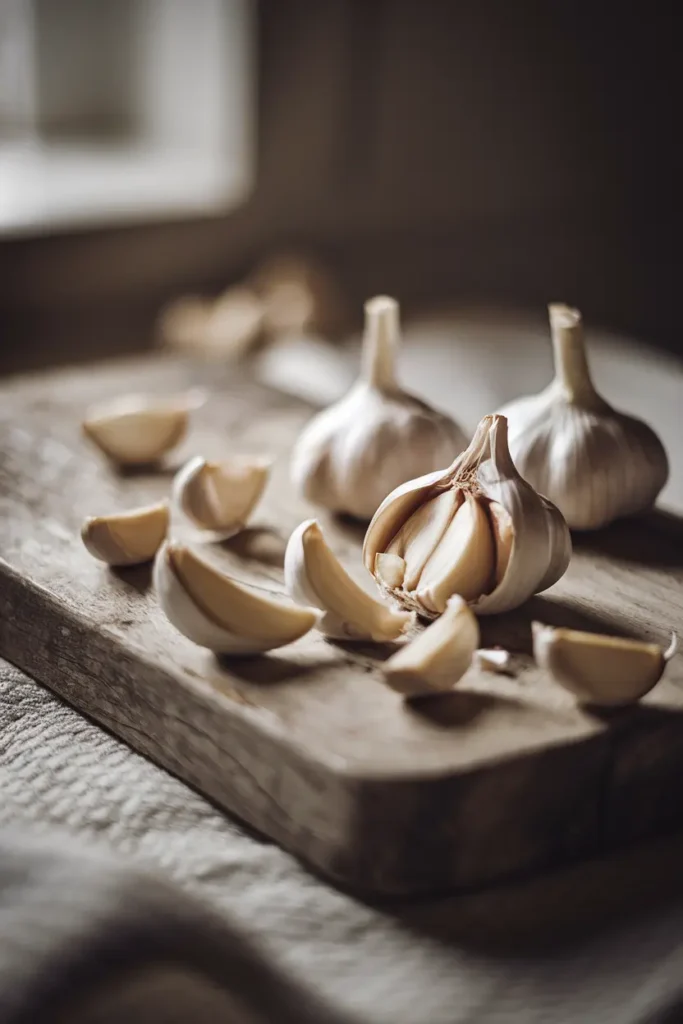
You probably already have garlic in your pantry, which is the best part.
Crush a clove and let it sit for a few minutes before cooking; that’s when the good stuff activates. Add it to soups, roasted vegetables, or a simple pan sauce.
It won’t fix high blood pressure on its own, but it’s one of the easiest habits to build into meals you’re already making.
2. Hibiscus
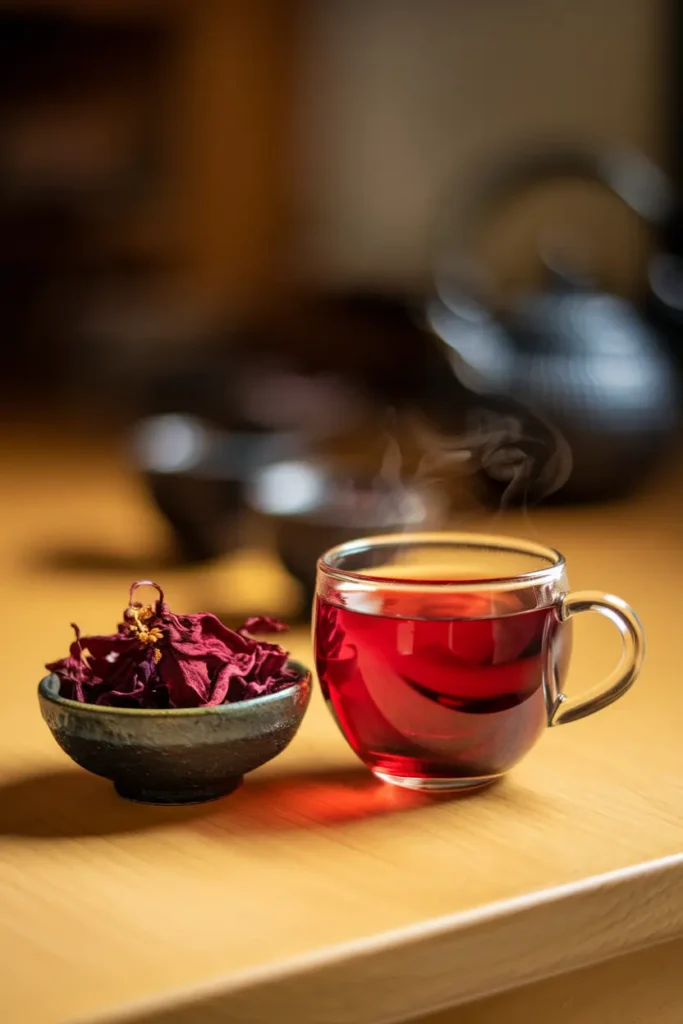
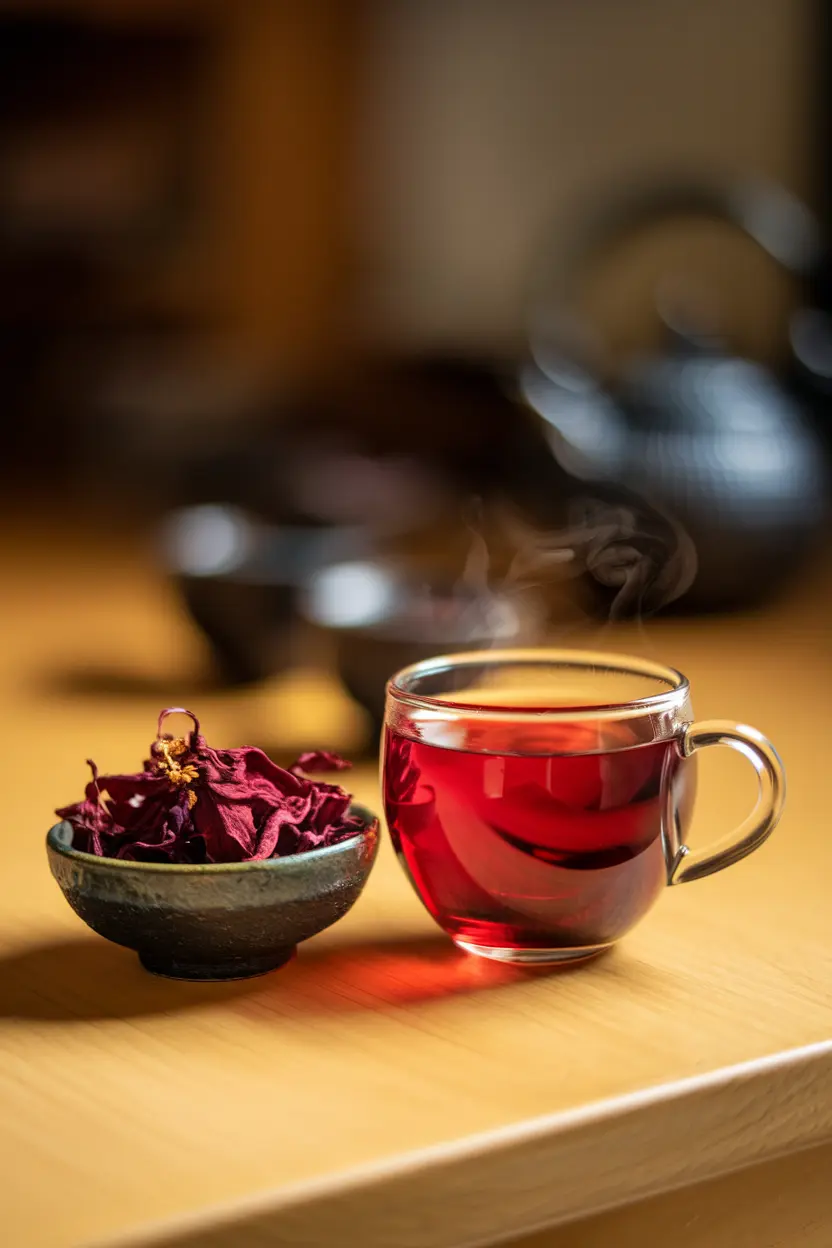
Hibiscus tea is tart, ruby-red, and honestly a little addictive once you get used to it.
Steep dried petals in hot water for about ten minutes, then chill it for a refreshing summer drink. Either way, it’s a solid coffee alternative if you’re cutting back on caffeine.
3. Basil
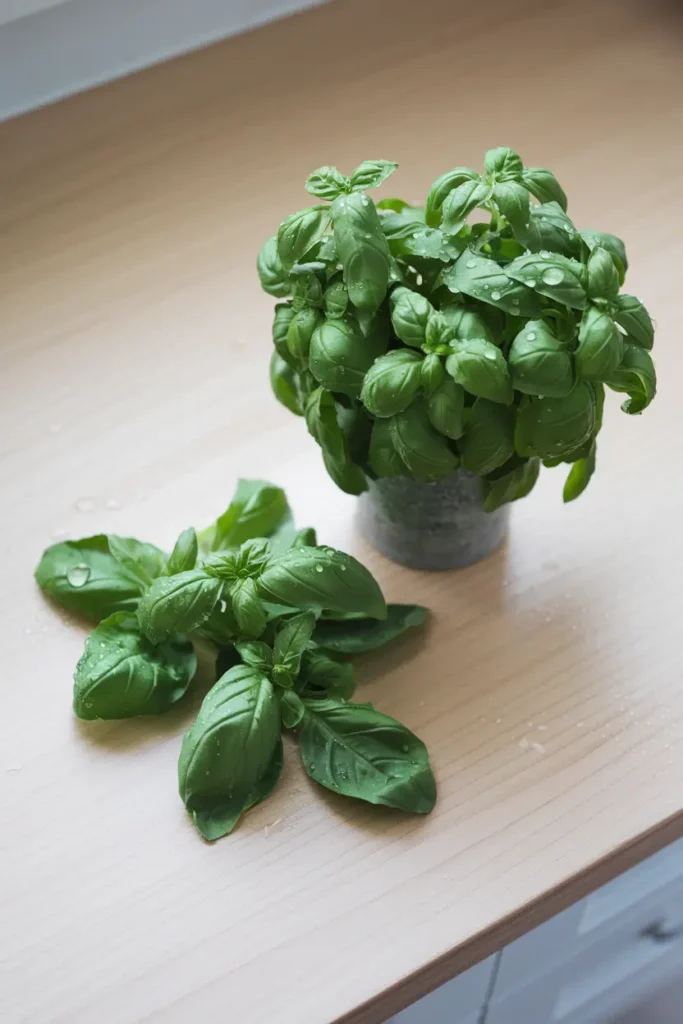
Fresh basil does something most dried herbs can’t: it smells like it’s still growing.
Toss torn leaves into salads, blend into pesto, or steep a few leaves in hot water for a mild tea.
Most of what we know about basil and blood pressure comes from early research, so treat it as a flavorful add-on to a healthy diet, not a treatment.
4. Cinnamon
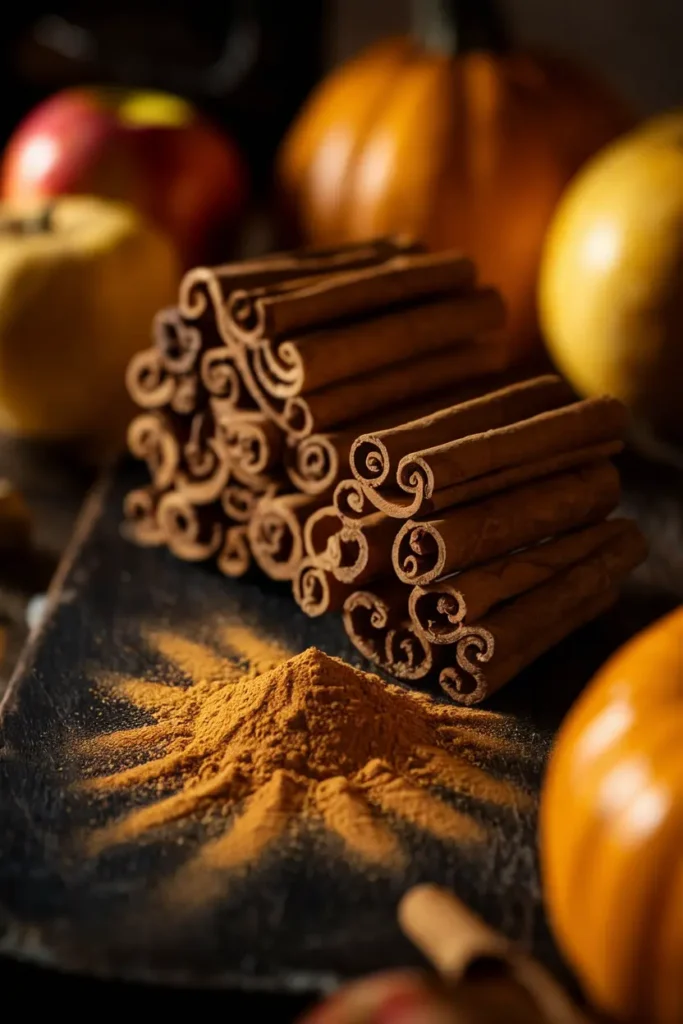
Cinnamon isn’t just for baking.
Stir it into oatmeal, coffee, or a simple stewed fruit compote. It’s warm, a little sweet, and easy to add without changing how a dish tastes.
Stick to true Ceylon cinnamon if you’re using it daily; cassia cinnamon in large amounts isn’t ideal long-term.
5. Cardamom
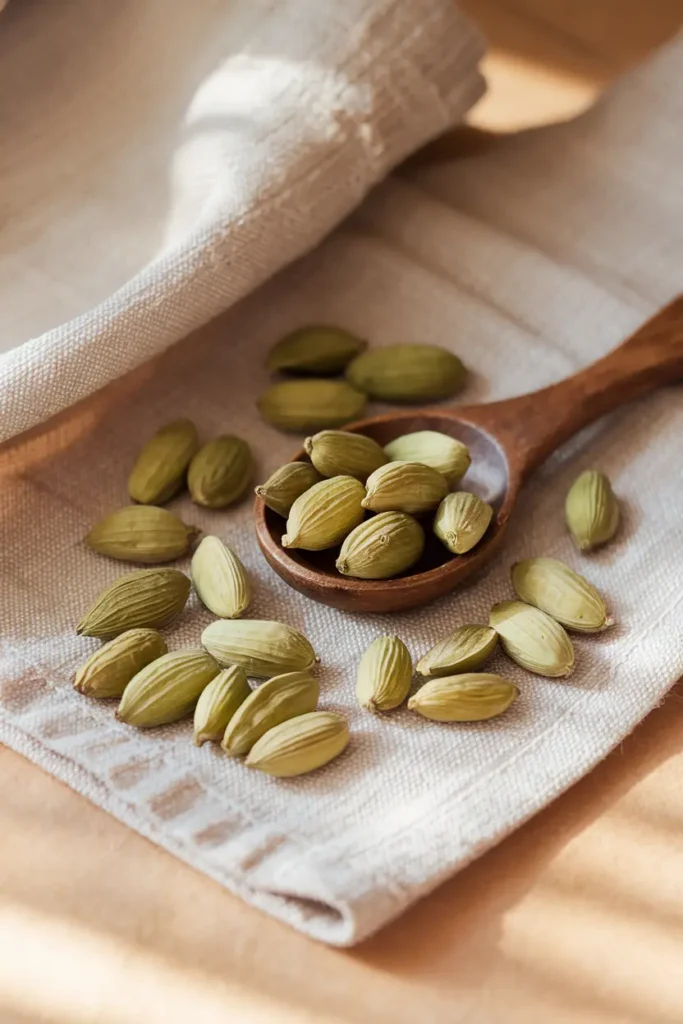
Crack open a cardamom pod, and the smell alone tells you why people have used it for centuries.
Add the seeds to rice, chai, or baked goods for a warm, slightly citrusy note.
Research on cardamom and blood pressure is still early-stage, so enjoy it for the flavor first and consider any health benefit a bonus.
6. Lavender
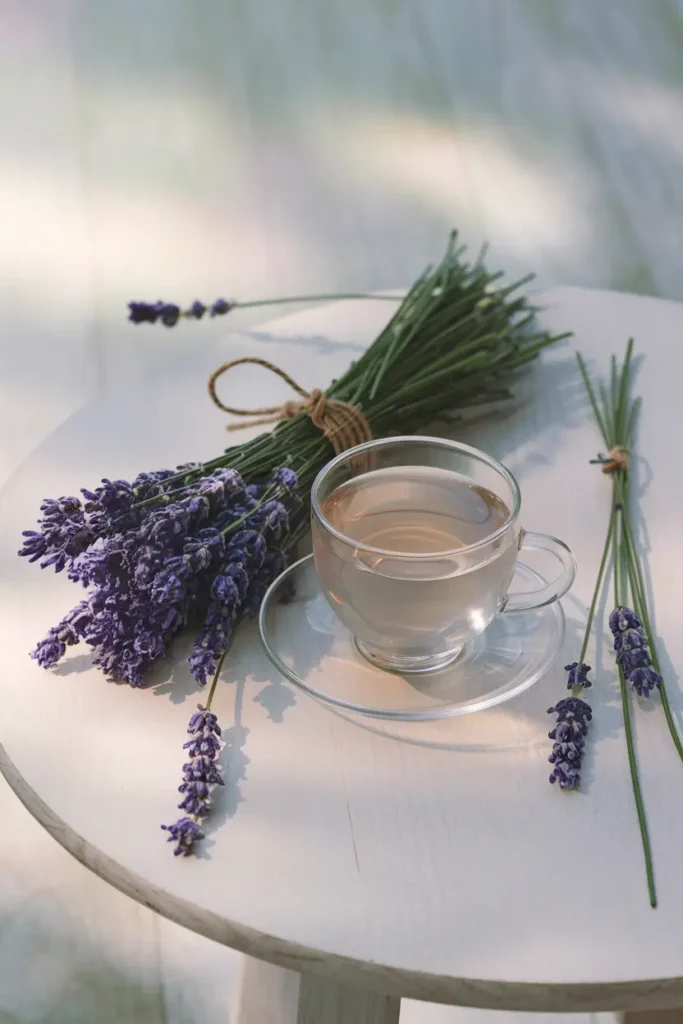
Culinary lavender is different from the stuff in your linen closet, so make sure you’re buying food-grade.
A small amount goes into shortbread, tea blends, or infused honey.
There’s genuinely interesting research on how certain lavender compounds interact with blood vessels, but most of it hasn’t translated into clear guidance for daily tea drinking.
7. Ginger
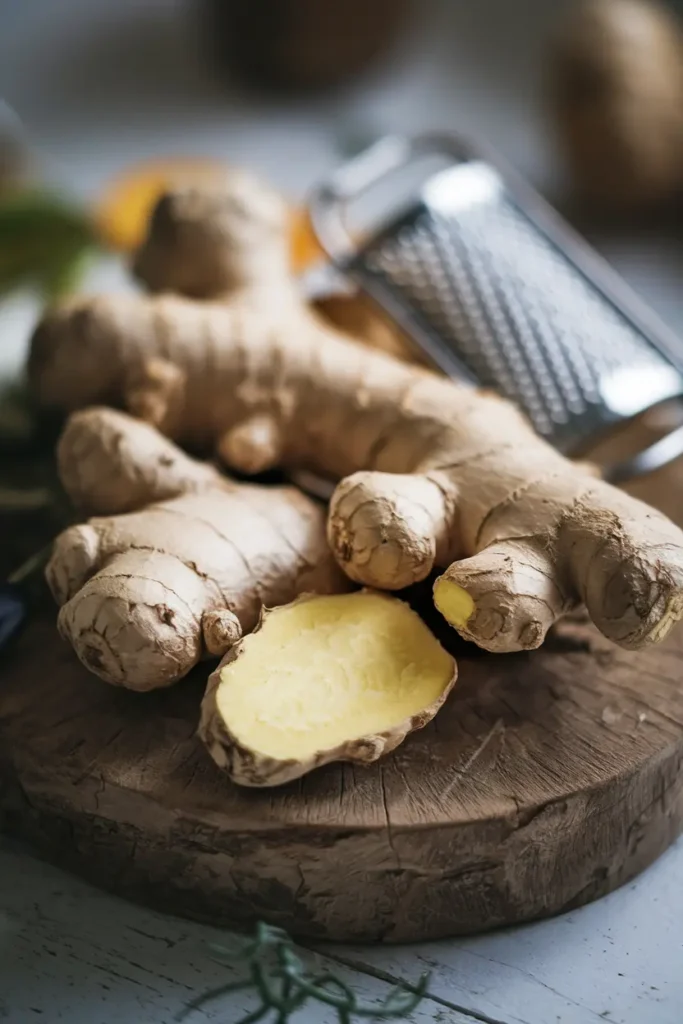
Ginger shows up in stir-fries, teas, baked goods, and that one soup you make when someone’s sick.
Fresh ginger has a sharper bite than the powdered kind, so start small if you’re not used to it.
It’s been part of traditional medicine for a long time, though the research on blood pressure specifically is mixed and worth checking before making any strong claims.
8. Celery Seed
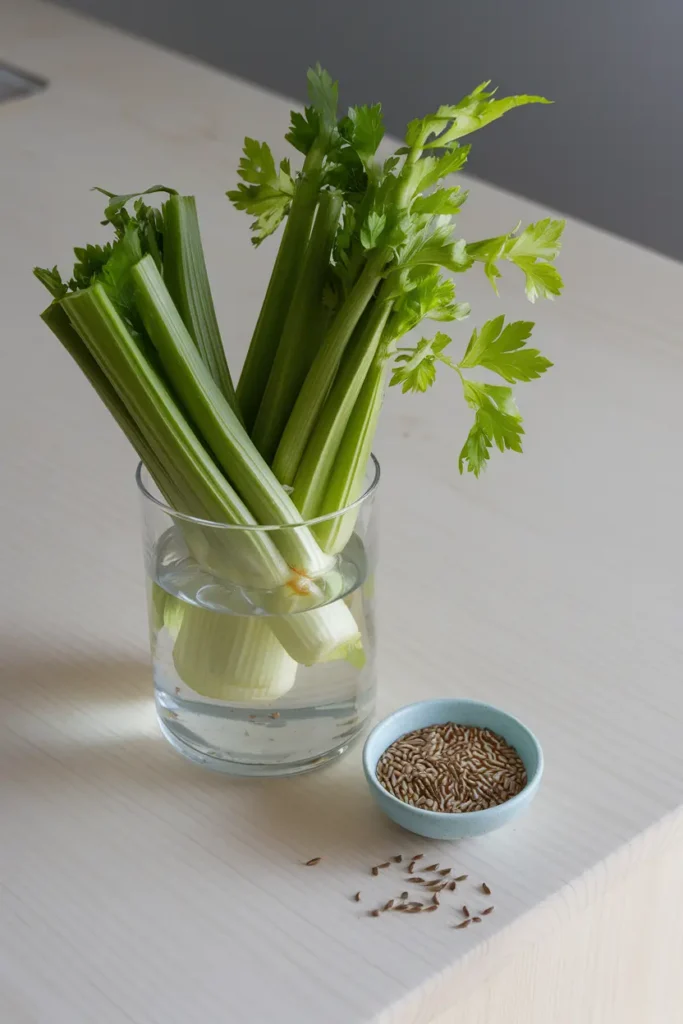
Celery seed tastes like celery concentrated into something you’d forget you own. Sprinkle it into soups, dressings, or roasted potatoes.
It’s been used traditionally as a mild diuretic, which is often the reasoning behind blood pressure claims, but that connection needs a proper source before it goes in the final draft.
9. Parsley
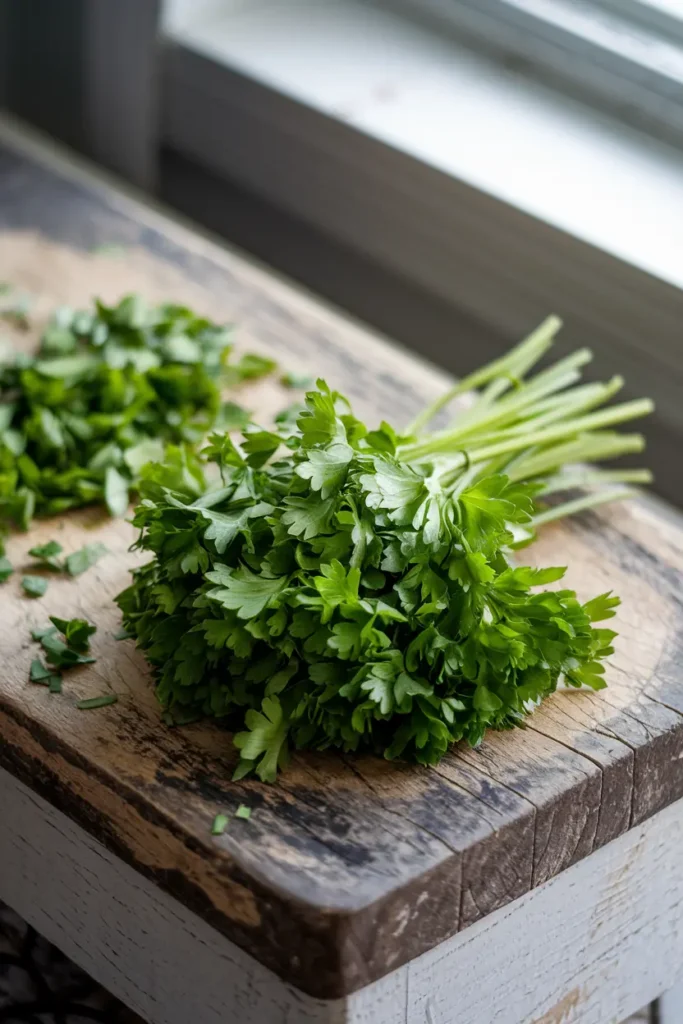
Parsley gets treated like decoration, which is a shame.
It’s got a clean, slightly peppery flavor that works in almost anything: salads, sauces, grain bowls.
Traditionally it’s been used as a mild diuretic too. As with celery seed, keep any specific health claim tentative until it’s checked against a real source.
10. Thyme
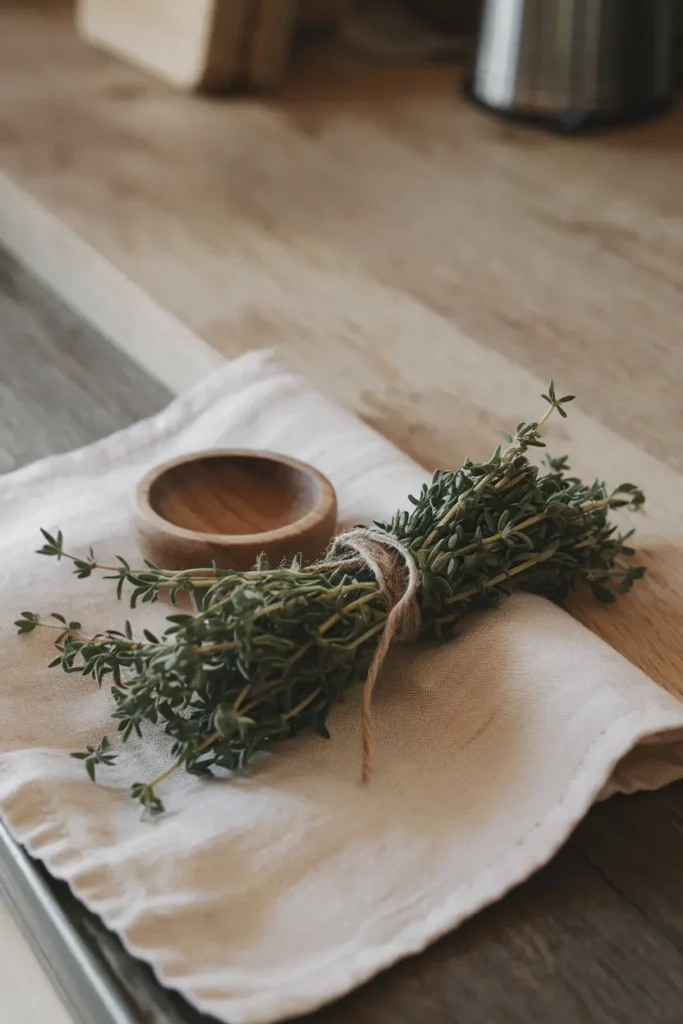
Thyme is one of those herbs that quietly makes everything taste more finished. Fresh sprigs work well in roasted dishes, soups, and marinades.
Some early research points to interesting effects on blood vessels, but it’s not solid enough yet to state as fact; flag it for verification if you want to include it.
None of these herbs are a substitute for the treatment plan you and your doctor have worked out.
Think of them as a supporting cast, small, consistent additions to meals you’re already making, not a dramatic overhaul.
If you’re going to try any of these, start with one.
See how it fits into your routine before adding the next.
And if you’re on any blood pressure medication or blood thinners, check with your doctor first; some of these herbs can interact in ways that matter.