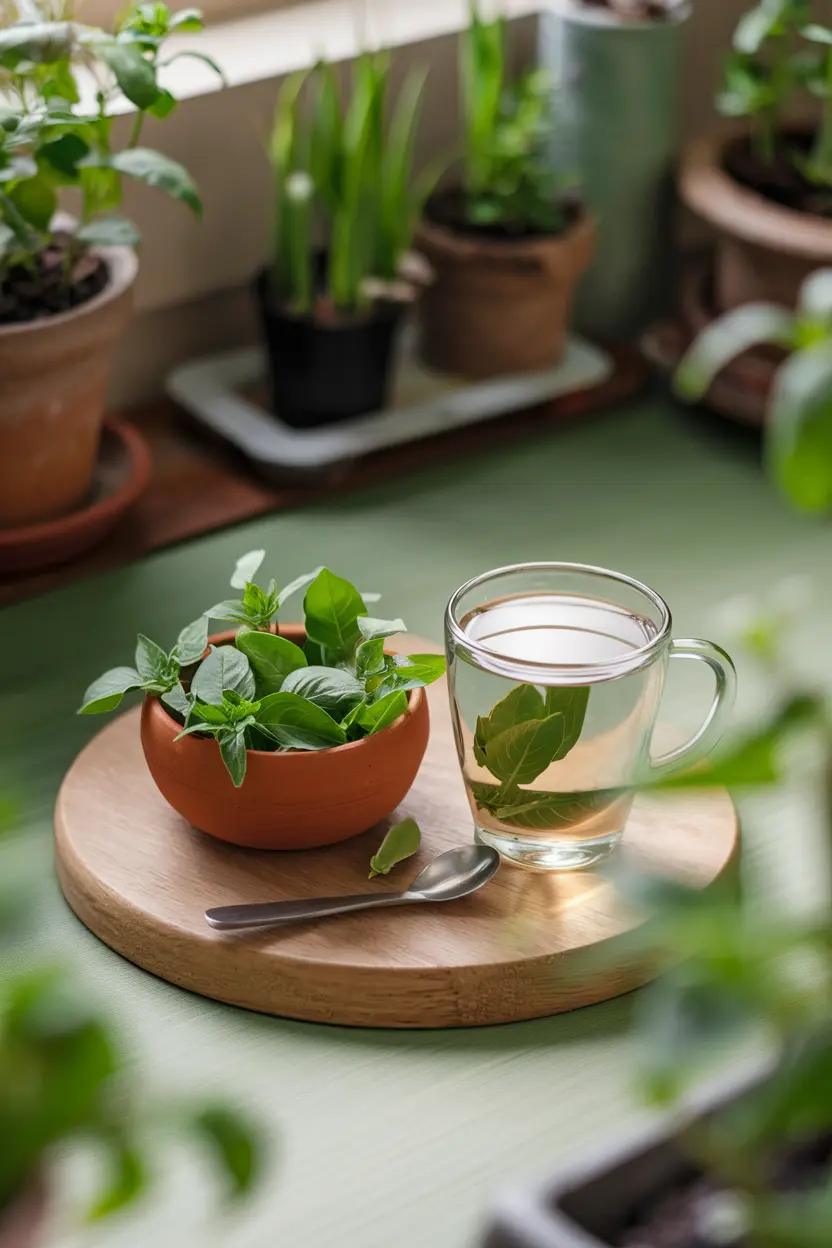
There’s something quietly comforting about turning to your spice rack instead of your medicine cabinet: a warm mug of ginger tea, a pinch of turmeric stirred into your morning eggs, garlic sizzling in olive oil.
It feels like the kind of home remedy your grandmother swore by.
This list walks through 13 kitchen staples and what the evidence actually says about each one.
1. Turmeric (Curcumin)
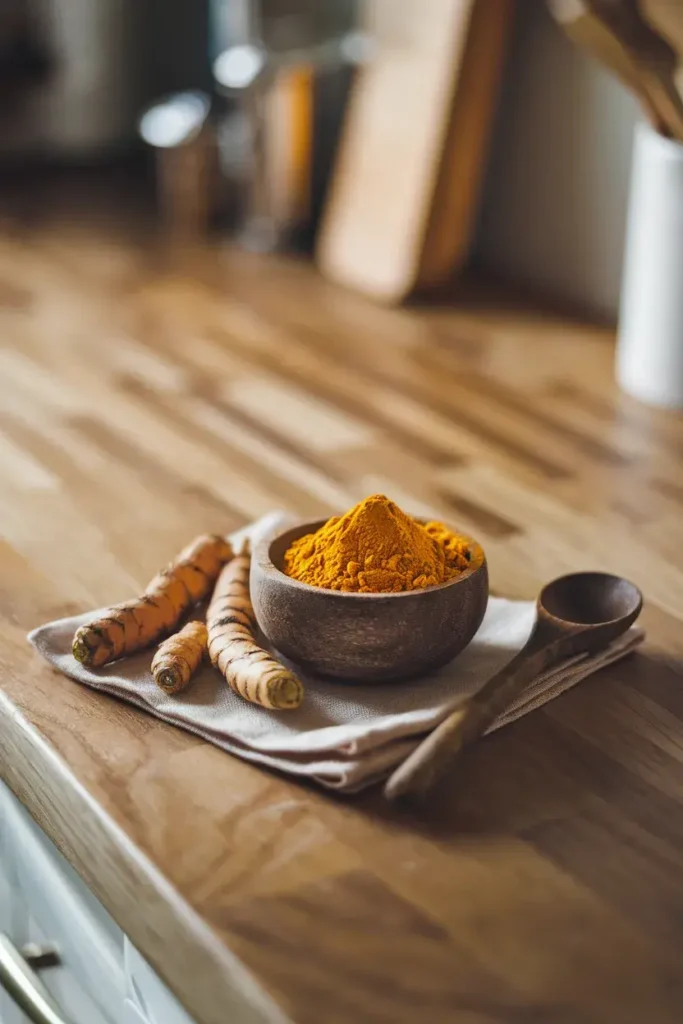
If there’s one spice that keeps showing up on every “anti-inflammatory” list, it’s turmeric, and for good reason.
According to Mayo Clinic, curcumin, the compound that gives turmeric its yellow color, has anti-inflammatory properties that make it a potential option for conditions like pain, asthma, and reduced mobility from osteoarthritis.
Mayo Clinic also notes some studies have found turmeric to be as effective as ibuprofen for reducing inflammation, swelling, and pain, though more research is still needed to confirm this.
For your kitchen: sprinkle it into golden milk, roasted vegetables, rice, or scrambled eggs. Pairing it with a pinch of black pepper and a source of fat (like coconut milk or olive oil) may help your body absorb it better.
Safety notes: Turmeric appears generally safe when limited to less than 8 grams a day. If you have gallbladder issues, are on blood thinners, or manage diabetes or cancer, Mayo Clinic recommends speaking with your healthcare provider before taking it as a supplement. Culinary use in food is a different (much lower) exposure than concentrated supplements.
2. Ginger

Ginger has one of the stronger evidence bases on this list.
Research summarized via the NIH notes that ginger’s biological activities include anti-inflammatory, antioxidant, antiemetic, antihyperglycemic, and anticancer properties, and that ginger has demonstrated effectiveness against nausea from motion sickness, chemotherapy, pregnancy, and the postoperative period.
This is why ginger tea is such a beloved home remedy; it’s warm, comforting, and backed by more than just tradition.
Safety notes: Ginger is not risk-free for everyone. Research has raised increasing concern over ginger’s safety alongside its well-supported effectiveness as an anti-emetic, particularly because ginger may have anticoagulant effects — people taking blood thinners like heparin or warfarin, NSAIDs, aspirin, or similar herbs should avoid ginger completely. If you’re pregnant, ginger is widely used for nausea, but dosage and duration matter — talk to your OB before starting regular ginger supplementation, especially beyond food amounts.
3. Garlic
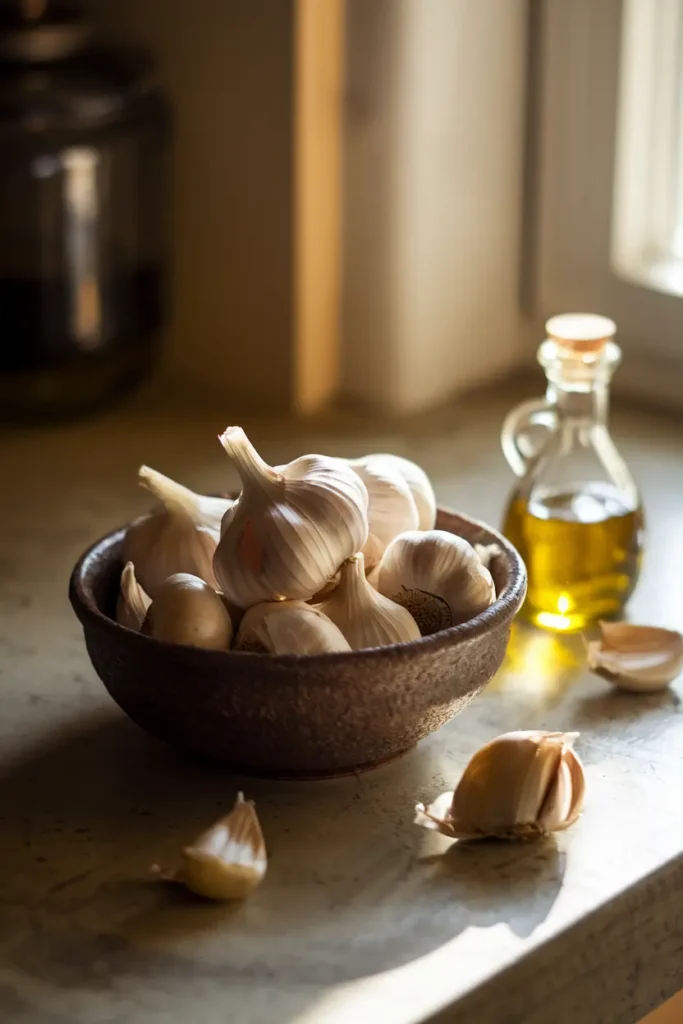
Garlic’s active compound, allicin, has documented immune-modulating effects.
Research indicates garlic supplementation may reduce blood sugar, lipids, and inflammatory markers in diabetic patients, and a small study in women with rheumatoid arthritis found that 500 mg garlic powder twice daily for eight weeks produced modest improvements, including decreased fatigue, pain intensity, tender joint count, and blood markers of inflammation like TNF-α and CRP.
That said, this was one small trial, not a broad clinical guideline.
Safety notes: Garlic contains compounds like allicin that can inhibit platelet aggregation and may enhance the effects of prescription anticoagulants. Everyday cooking with garlic is generally fine, but concentrated garlic supplements might increase bleeding risk when combined with blood thinners or antiplatelet medications — so if you’re on those, check with your doctor before adding garlic supplements (not just garlic in food).
4. Cinnamon

Cinnamon is a Pinterest pantry favorite, and it’s not just about flavor.
Mayo Clinic discusses cinnamon mainly in the context of blood sugar management, noting that cinnamon supplements seem to be safe for most people in small amounts for short-term use, but higher amounts over longer periods may trigger side effects like GI problems or allergic reactions, and may cause issues for people with liver disease.
Broader anti-inflammatory claims for cinnamon are more traditional-use than clinically proven.
There are two common types, Ceylon and Cassia, and this distinction actually matters for safety.
Safety notes: Cassia cinnamon contains a chemical called coumarin, and taking large amounts can cause liver damage in some people, especially those with existing liver disease. Doses of 1–2 grams daily have been used safely for up to 3 months, but doses larger than 6 grams daily for a long period are considered possibly unsafe. Given the lack of safety evidence, children, pregnant women, and breastfeeding women are generally advised to avoid cinnamon as a treatment (beyond normal food amounts). If you love cinnamon lattes, Ceylon cinnamon is the lower-coumarin, gentler choice for daily use.
5. Cayenne Pepper / Capsaicin
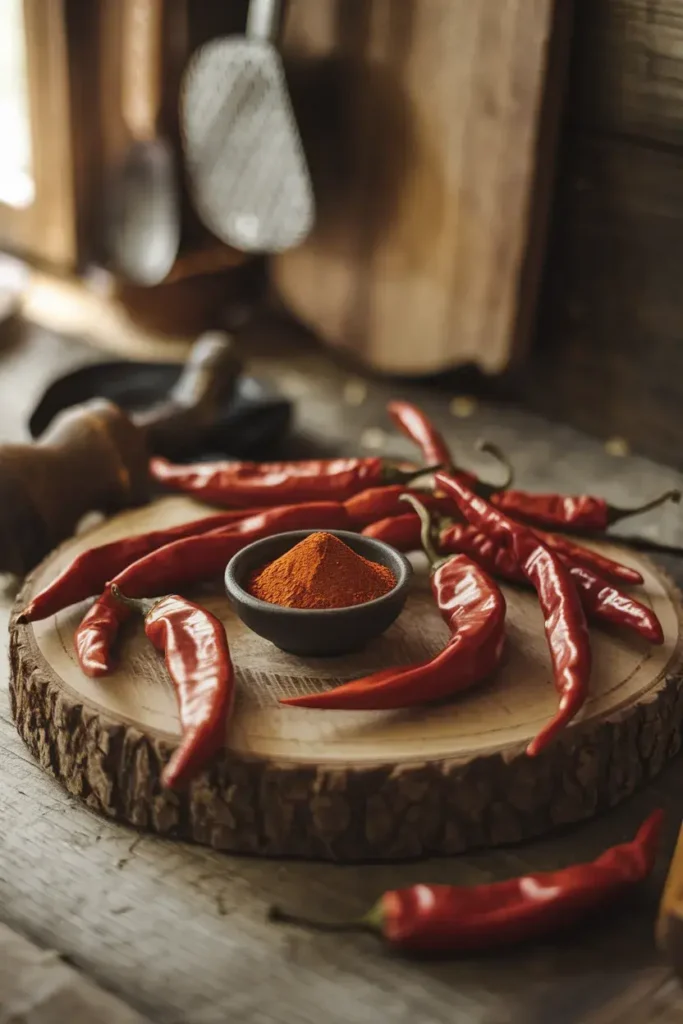
Cayenne’s heat comes from capsaicin, and this is genuinely one of the better-studied compounds on this list, particularly for topical pain relief.
The FDA has approved topical capsaicin treatment for certain kinds of nerve pain, and research on capsaicin injections for arthritis pain is promising.
Capsaicin works interestingly: it briefly activates pain receptors before desensitizing them over time, which is why the initial burn eventually gives way to relief.
For internal use, cayenne is more of a traditional warming remedy; the strongest evidence is for topical pain application, not necessarily eating it for systemic inflammation.
Safety notes: Cayenne peppers are safe to eat, but eating too much can cause an upset stomach or heartburn, and the oily capsaicin in fresh peppers doesn’t wash off easily, so care is needed when handling and preparing them. Never apply cayenne or capsaicin near your eyes or broken skin, keep it away from children’s reach, and start with low concentrations if trying a topical capsaicin cream — the initial burning sensation is normal but can be intense.
6. Cloves (Eugenol)

Cloves and clove oil have been used for generations as a home remedy for tooth pain, and there is a real mechanism behind it: eugenol, the main active compound in clove oil, acts as a natural anesthetic and has anti-inflammatory and antibacterial properties.
That said, the actual clinical status of this remedy is more mixed than the folklore suggests; the U.S. FDA downgraded eugenol from a Category I medicine (generally recognized as safe and effective) to a Category III drug, citing insufficient data to confirm its effectiveness for toothache relief.
So cloves are a genuine traditional remedy with a plausible mechanism, not a proven medical treatment, worth knowing so you don’t treat it as a dentist substitute.
Safety notes:
- Clove oil should not be used on or around children, particularly during teething — sources describing dental use caution that it’s not recommended for infants and young children due to limited safety data and risk of serious effects if ingested.
- Undiluted clove oil can irritate or burn skin and tissue — it should be diluted with a carrier oil before topical use, never applied near eyes, and never swallowed in concentrated form.
- Clove oil may slow blood clotting, so people on anticoagulant medications (like warfarin) should avoid it or check with a doctor first.
- This is a temporary symptom reliever only — persistent tooth pain, swelling, or fever needs actual dental care, not a home remedy.
7. Black Pepper (Piperine)

Black pepper’s active compound, piperine, is well known in the wellness world for one specific reason: it helps your body absorb curcumin (from turmeric) far more effectively than turmeric alone.
Piperine appears to inhibit the liver’s process of breaking down and excreting curcumin, which increases how much stays in your bloodstream; this is a documented mechanism, not just wellness-blog folklore.
One important flag: you’ll frequently see the specific claim that black pepper increases curcumin absorption “by 2000%”.
This number appears repeatedly across health and wellness sites, but this needs verification against a primary clinical source before treating it as a hard statistic.
It’s safer to say piperine “significantly increases” or “substantially boosts” curcumin absorption without committing to that exact figure.
As for piperine having its own independent anti-inflammatory effect (separate from boosting curcumin), that’s more traditional/preliminary and shouldn’t be presented as settled science.
Safety notes:
- Black pepper in normal culinary amounts is considered safe for most people.
- Piperine can affect how the liver metabolizes certain medications, so if you take prescription drugs regularly, it’s worth mentioning to your doctor if you’re combining high-dose turmeric–black pepper supplements (not just cooking with both).
- This is best thought of as a food-pairing tip rather than a standalone remedy — its main documented value is enhancing turmeric, not independently treating inflammation.
8. Rosemary
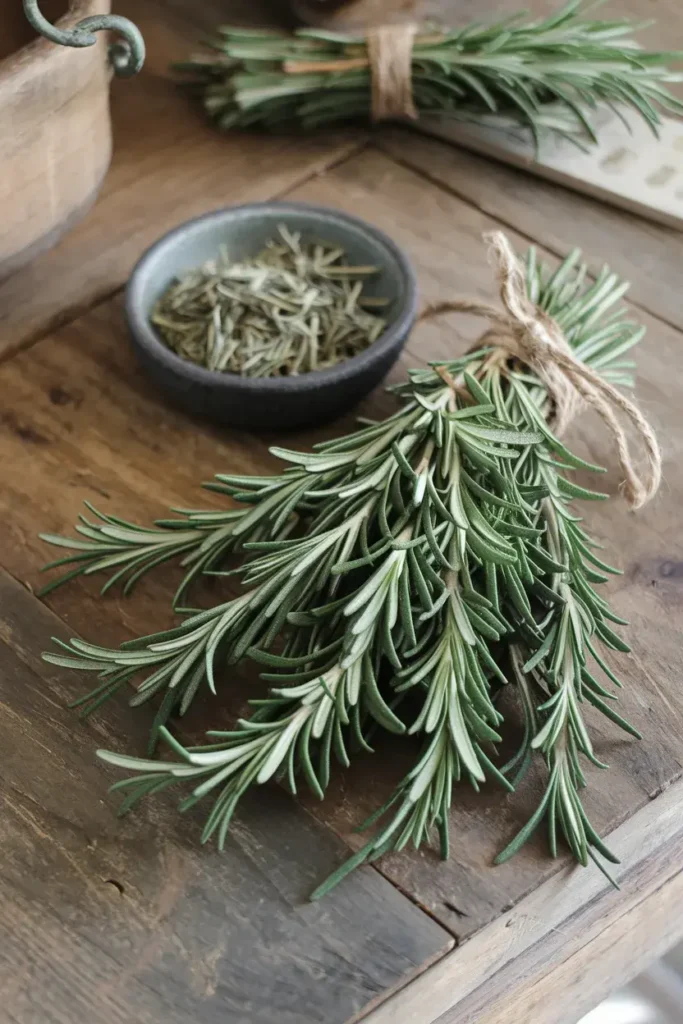
Rosemary contains rosmarinic acid, a compound associated with antioxidant and anti-inflammatory activity in lab and animal research.
However, sources reviewing rosemary’s clinical evidence describe the human clinical data as lacking.
While rosemary has traditional uses as an antibacterial, anti-inflammatory, and spasmolytic agent, there isn’t enough clinical data to support dosing recommendations for any specific condition.
t’s a good example of a spice that’s genuinely interesting at the lab-research level but not yet proven at the “take this dose for this result” level in humans.
Safety notes — this one has more red flags than most on this list:
- Rosemary in medicinal amounts (not food amounts) during pregnancy is described as possibly unsafe and linked to a risk of miscarriage; amounts used in cooking are generally considered acceptable, but concentrated rosemary supplements or essential oil should be avoided.
- Rosemary has been described as having convulsant/epileptogenic properties and may cause seizures — people with epilepsy or a seizure history should be cautious with concentrated rosemary extracts or essential oil.
- Rosemary contains a compound similar to aspirin, so people with aspirin allergies should be cautious.
- It may increase bleeding risk in people with bleeding disorders.
- Undiluted rosemary essential oil can be toxic if ingested and should never be taken internally without professional guidance.
Culinary use and medicinal/concentrated use genuinely carry different risk profiles here — worth keeping that distinction in mind.
9. Green Tea (EGCG)
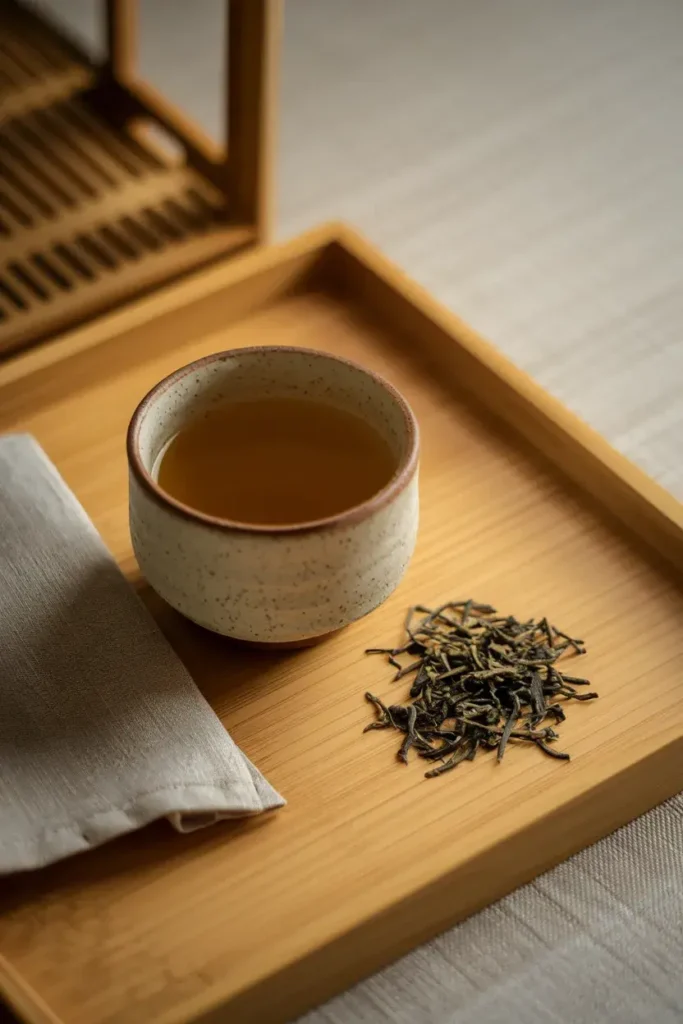
Green tea contains catechins, particularly EGCG (epigallocatechin gallate), which are well-documented antioxidant polyphenols.
The broader idea that green tea’s antioxidants can help counter oxidative stress is fairly well accepted in nutrition science.
However, specific numbers you may see elsewhere, such as exact CRP reduction ranges, precise “cups per day” thresholds, or named clinical trials, come primarily from wellness/blog-style sources rather than primary medical or peer-reviewed institutions, and these figures need verification before being stated as settled fact.
Safety notes:
- High-dose green tea extract supplements (as opposed to brewed tea) have been associated with rare but serious liver toxicity concerns — moderation matters more with concentrated extracts than with a cup of brewed tea.
- Green tea contains caffeine, so pregnant individuals, people sensitive to caffeine, and those with anxiety or sleep issues should moderate intake.
- People on certain medications (including some blood thinners and stimulant medications) should check for interactions before using concentrated green tea extract supplements.
10. Boswellia (Frankincense)

Boswellia is one of the more credible entries on this list. According to NCCIH (the National Center for Complementary and Integrative Health), several studies have shown taking boswellia orally may help reduce inflammation and pain associated with osteoarthritis, though NCCIH is clear that larger, higher-quality studies are still needed, and that overall there is not enough high-quality evidence to determine whether boswellia is useful for other health conditions.
NCCIH also notes that topical boswellia (frankincense) for osteoarthritis, rheumatoid arthritis, and other conditions hasn’t been shown effective by current evidence.
A few small studies have also suggested boswellia taken orally may reduce asthma symptoms, though this is preliminary.
Safety notes:
- One documented case report described severe toxicity — including SIADH, low sodium, seizures, and muscle breakdown (rhabdomyolysis) — in a patient taking a high dose (1,000 mg/day) of boswellia. High doses carry real risk and shouldn’t be self-prescribed casually.
- Clinical trials on boswellia extract for knee osteoarthritis have reported no serious adverse events at studied doses over several months, but that’s different from “safe at any dose long-term” — moderation and medical guidance matter here.
- Because boswellia interacts with inflammatory pathways, anyone on other anti-inflammatory medications or with existing liver/kidney conditions should talk to a doctor before using concentrated boswellia extracts.
11. Fenugreek
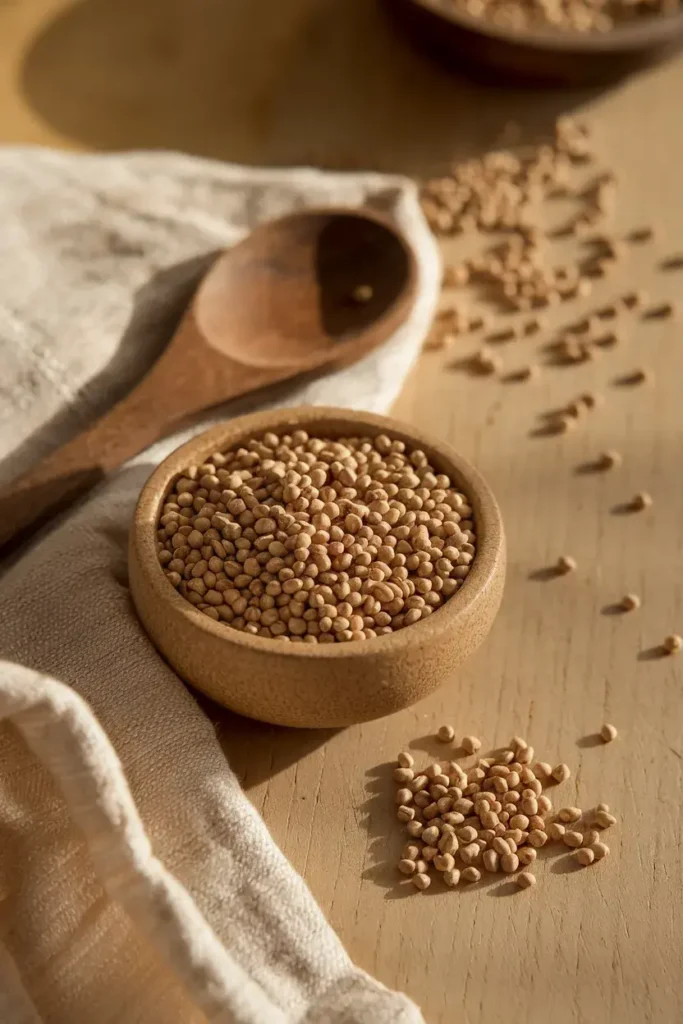
Fenugreek is often lumped into “anti-inflammatory spice” lists, but its strongest evidence is actually for blood sugar management, not inflammation specifically.
NCCIH states that research has suggested fenugreek may help lower blood sugar levels in people with type 2 diabetes, though many of the underlying studies were not high quality.
NCCIH is explicit that there is not enough high-quality evidence to determine whether fenugreek is useful for other conditions, including general inflammation.
Safety notes — an important one to flag clearly, especially for anyone pregnant or trying to conceive:
- NCCIH states directly that fenugreek is not safe for use during pregnancy in amounts greater than those found in food, and its use has been linked to increased risk of birth defects. This is one of the clearest and strongest pregnancy warnings among all the herbs on this list.
- Other sources describe fenugreek as having documented uterine stimulant effects, historically used in traditional medicine to induce labor — reinforcing why it’s inappropriate for use during pregnancy outside of normal food amounts.
- Fenugreek can cause digestive symptoms like diarrhea and nausea, and large doses may cause a harmful drop in blood sugar — this matters especially for people already on diabetes medication, who should monitor for hypoglycemia and consult their doctor before combining fenugreek with their treatment plan.
- Fenugreek can cause allergic reactions, including serious ones, in some people, with noted potential cross-reactivity with peanut and chickpea allergies.
12. Holy Basil (Tulsi)
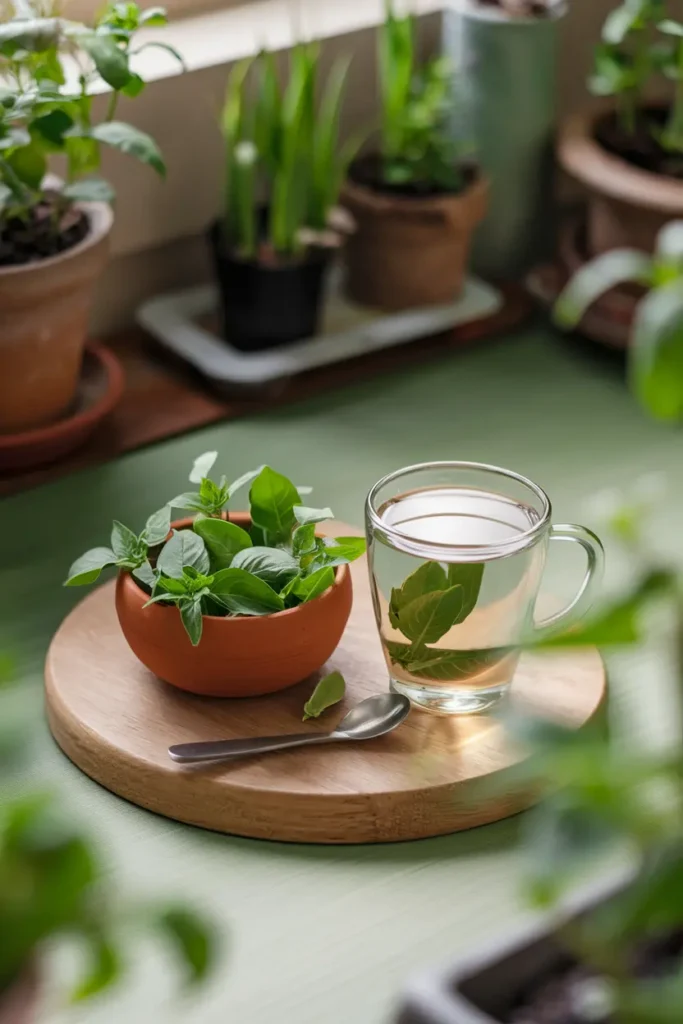
Holy basil (tulsi) is deeply rooted in Ayurvedic tradition, and modern research has been exploring whether that reputation holds up.
A systematic review of human clinical studies found that tulsi has been studied for multiple therapeutic actions including adaptogenic, antimicrobial, anti-inflammatory, cardioprotective, and immunomodulatory effects, but the review itself was framed around the fact that no prior systematic reviews of tulsi’s human clinical efficacy and safety existed before that point, which suggests the evidence base is still developing rather than settled.
A separate clinical reference source similarly describes limited evidence for tulsi’s use in stress, anxiety, and diabetes, with anti-inflammatory and antimicrobial activity demonstrated in preliminary research, but notes clinical trials are lacking to recommend it for any specific indication.
So: interesting, traditionally significant, biologically plausible — but not yet backed by the kind of large human trials that would make it “proven.”
Safety notes:
- Because tulsi may affect blood sugar and blood clotting, it’s often recommended to stop use around two weeks before any scheduled surgery.
- Safety during pregnancy has not been well established in human studies — it’s reasonable to advise caution or avoidance during pregnancy and breastfeeding unless a doctor advises otherwise.
- If someone is on blood sugar medication or blood thinners, tulsi should be discussed with a healthcare provider first, since its mechanisms overlap with those drug categories.
13. Oregano (Carvacrol)
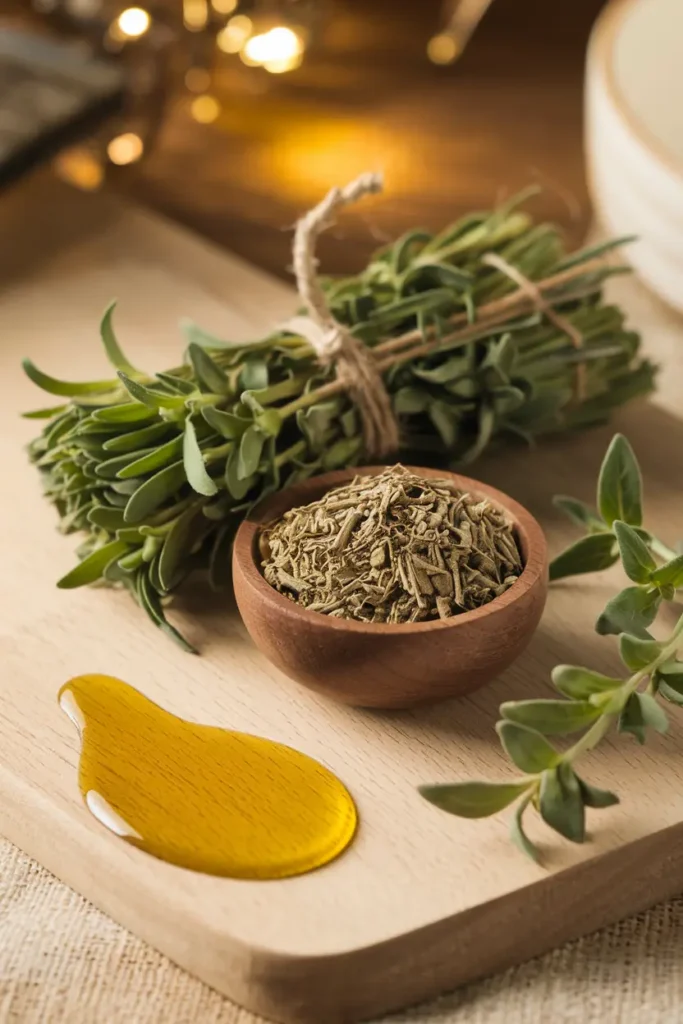
Oregano’s active compound, carvacrol, has documented antimicrobial and antioxidant properties; this part is reasonably well supported in the literature.
However, when it comes specifically to anti-inflammatory effects in humans, a strong primary or institutional human-clinical source could not be found to back that claim confidently.
Most available material discusses oregano/carvacrol’s antimicrobial action, or lab/animal-level anti-inflammatory mechanisms, rather than human clinical trials for inflammation specifically.
Safety notes:
- Concentrated oregano essential oil can irritate skin and the digestive tract and should always be diluted before topical use, and used cautiously (in small amounts, ideally with food) if taken internally.
- As with several other essential oils on this list, oregano oil in concentrated form is generally not recommended during pregnancy without medical guidance. This specific pregnancy caution needs verification for oregano — it’s a reasonable general precaution for concentrated essential oils, but no institutional source specific to oregano was found to confirm it.
- Cooking with dried oregano as a seasoning is a very different exposure level than concentrated oil or supplement extracts, and normal cooking amounts are widely considered safe.
How to Actually Use This List
If there’s one thing worth taking away from this whole pantry tour, it’s this: not every spice on your rack carries the same weight of evidence.
Turmeric, ginger, and boswellia have real research behind them, including guidance from institutions like Mayo Clinic and NCCIH.
Others, like rosemary, holy basil, and oregano, are steeped in tradition and show promise in lab settings, but the human clinical proof isn’t there yet.
And a few, cinnamon, fenugreek, and cloves, come with genuine safety caveats that matter more than the potential benefits for certain people, especially if you’re pregnant, on blood thinners, or managing a chronic condition.
The most realistic way to use this list isn’t “take all 13 supplements starting tomorrow.”
It’s simpler than that:
- Cook with these spices generously: turmeric in your eggs, ginger in your tea, garlic in everything, cinnamon in your oatmeal.
- Treat concentrated supplements, essential oils, and high-dose extracts as a separate, more serious decision, one to make with your doctor, not a wellness blog.
- If you’re pregnant, breastfeeding, on medication, or managing a health condition, don’t assume “natural” automatically means “safe for you.” Several of the herbs above have specific, well-documented contraindications.
A warm mug of ginger tea or a turmeric-spiced dinner isn’t going to replace medical treatment, but it can be a genuinely comforting, low-risk way to bring a little more intention into your kitchen.
Medical Disclaimer
This article is for informational and educational purposes only and is not intended as medical advice. Herbs and spices discussed here have varying levels of scientific support; some are well-researched, others are based on traditional use with limited clinical evidence, and specific figures or claims not traceable to an institutional or peer-reviewed source have been explicitly flagged as needing verification rather than presented as fact. This content is not a substitute for professional medical diagnosis, treatment, or advice. Always consult your doctor, pharmacist, or a qualified healthcare provider before using any herb or spice medicinally, especially if you are pregnant, breastfeeding, taking medication (particularly blood thinners, diabetes medication, or anticonvulsants), managing a chronic health condition, or planning surgery. Do not use these remedies as a replacement for prescribed treatment, and seek prompt professional care for persistent pain, swelling, or any worsening symptoms.