That tight feeling in your chest. The racing thoughts at 2 a.m. The way your mind spirals over something small until it feels huge.
If you know that feeling, you’re not alone — and you don’t need anything fancy to start feeling a little more grounded.
This list is a collection of simple, natural remedies you can try right at home — no special equipment, no complicated routines, just small things that can help calm an anxious mind and body.
Think of it less like a checklist and more like a toolkit: pick what feels right for you today, and save the rest for next time.
1. Calming Teas & Drinks
There’s something about wrapping your hands around a warm mug that slows everything down.
These teas make that ritual even more soothing.
1. Chamomile Tea
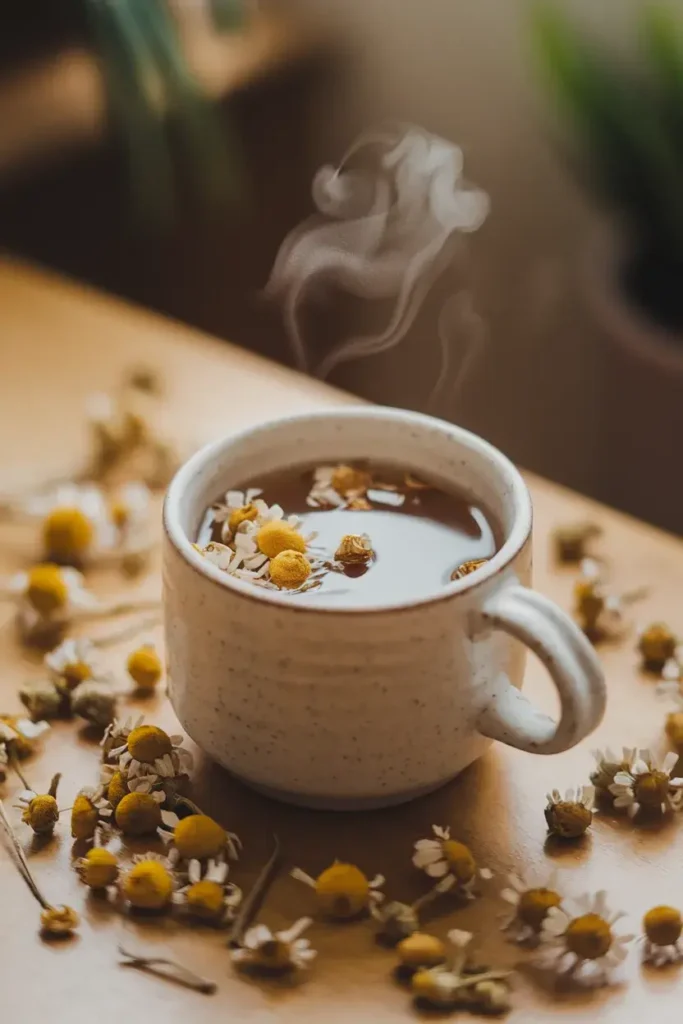
A bedtime classic for a reason. The warmth and gentle floral scent make it perfect for winding down before sleep.
How to use it: Steep a bag or loose leaves for 5-10 minutes, and sip slowly about 30 minutes before bed.
2. Lavender Tea
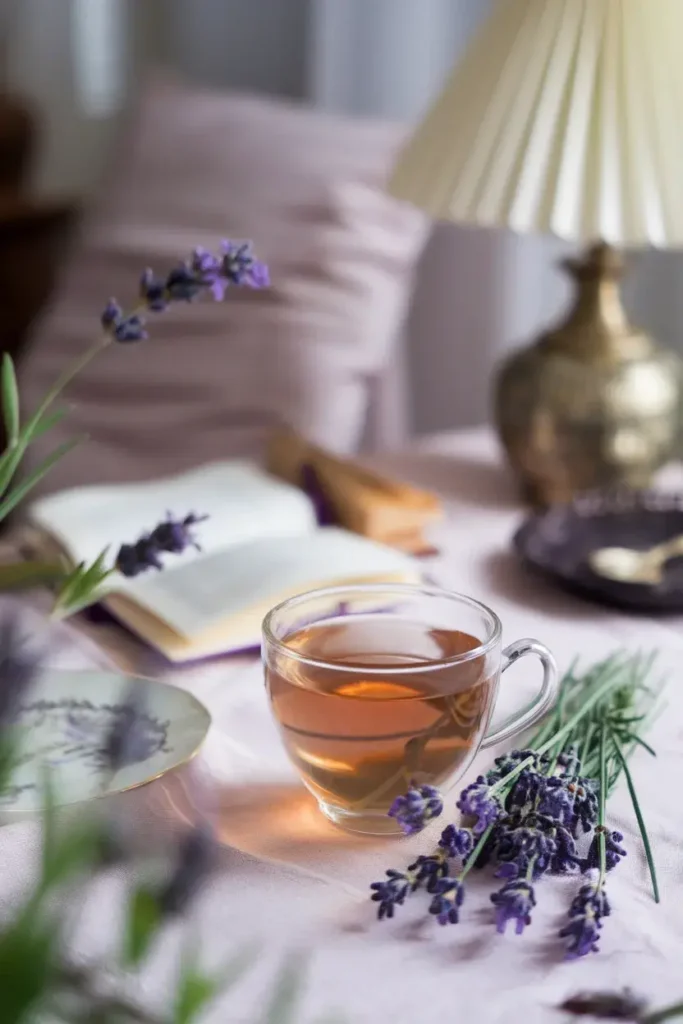
Lavender is known for its calming aroma, and drinking it as a tea brings that same soothing quality inward.
How to use it: Combine with chamomile for an extra-relaxing blend, especially in the evening.
3. Warm Golden Milk (Turmeric Milk)
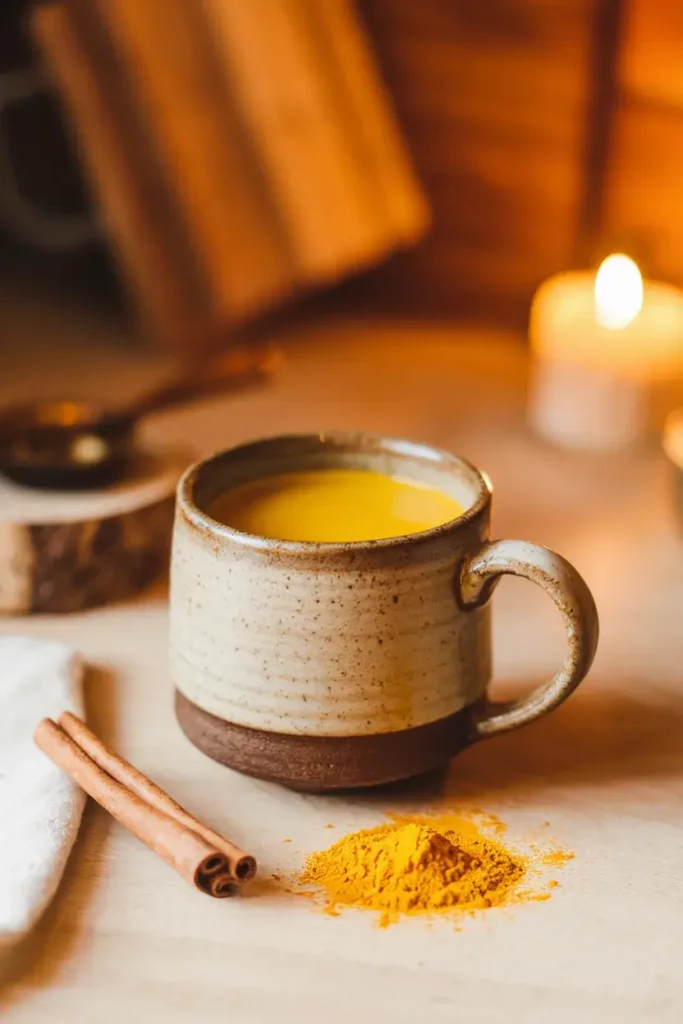
This cozy, golden drink feels like a warm hug in a mug — perfect for a slow, comforting night-time ritual.
How to use it: Warm milk (dairy or plant-based) with a pinch of turmeric, cinnamon, and a touch of honey.
4. Lemon Balm Tea
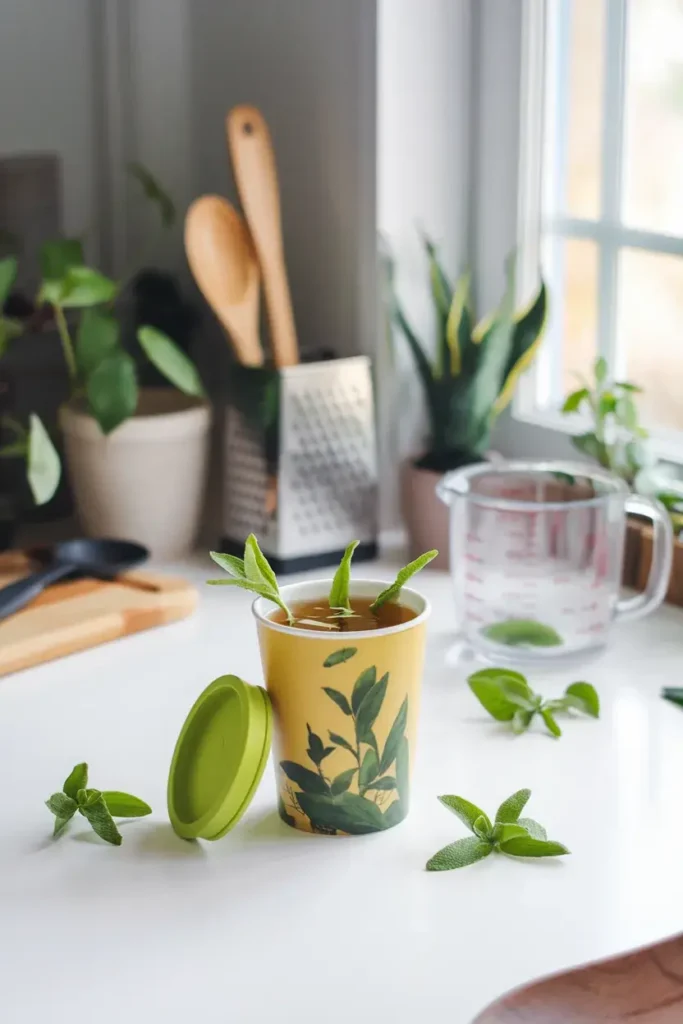
A gentle herbal option that’s easy to find and simple to prepare, often reached for during stressful moments.
How to use it: Steep fresh or dried lemon balm leaves in hot water for a few minutes and enjoy slowly.
5. Green Tea
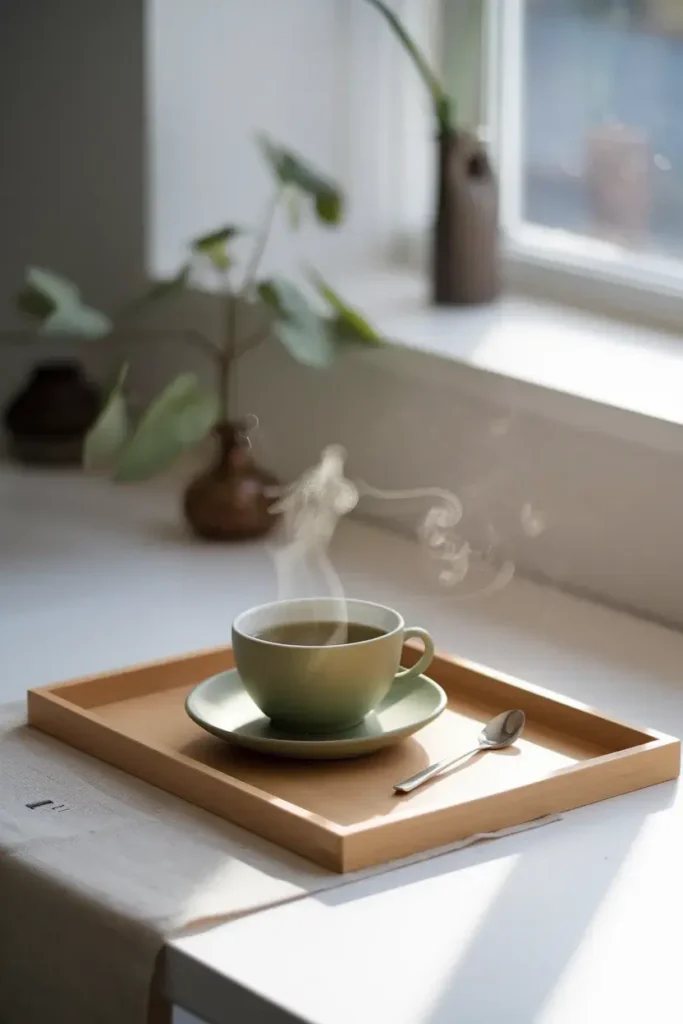
Beyond the caffeine, the act of slowly sipping green tea can itself become a small, grounding pause in your day.
How to use it: Try it in the afternoon as a mindful break — sip slowly instead of rushing through it.
2. Aromatherapy & Scent-Based Remedies
Scent has a powerful way of shifting our mood almost instantly. These remedies lean into that.
6. Lavender Essential Oil
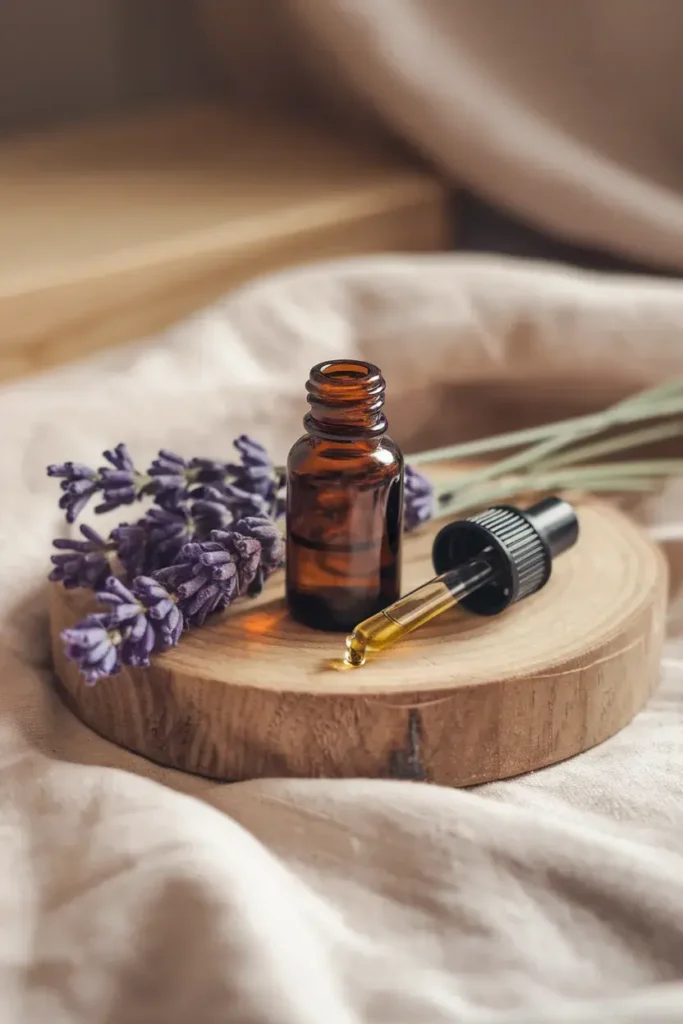
One of the most popular scents for relaxation. A few drops can transform a room — or a pillow — into a calming space.
How to use it: Add a few drops to a diffuser, or dab diluted oil onto a pillow before bed.
7. Bergamot Oil
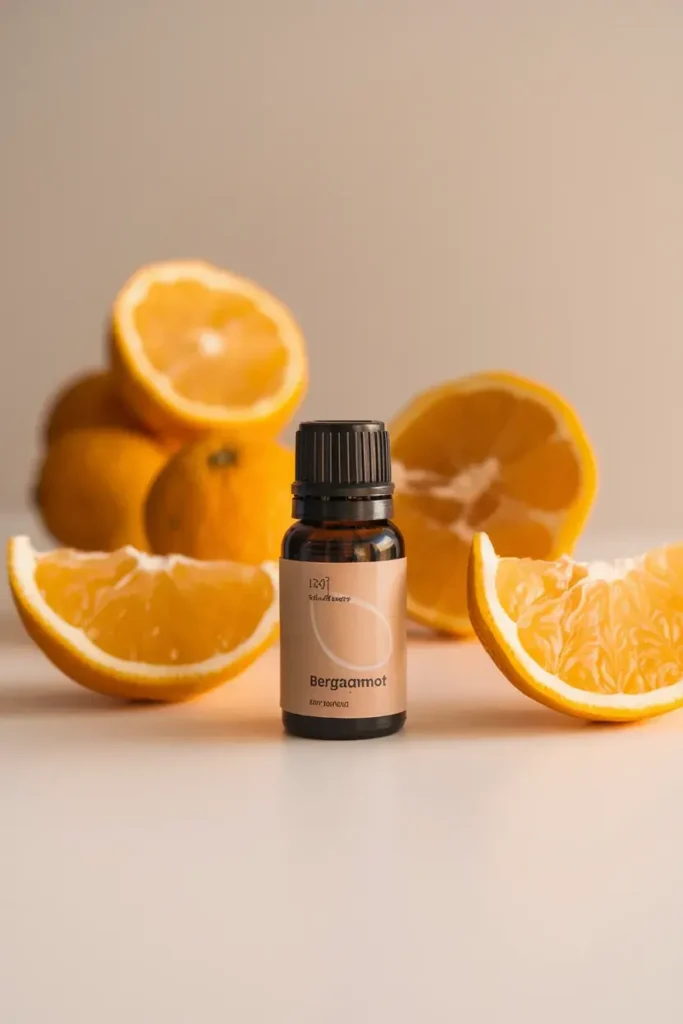
A citrusy, slightly floral scent that many find uplifting yet calming at the same time.
How to use it: Diffuse it during the day for a gentle mood lift, or add to a warm bath.
8. Deep Breathing with Essential Oils
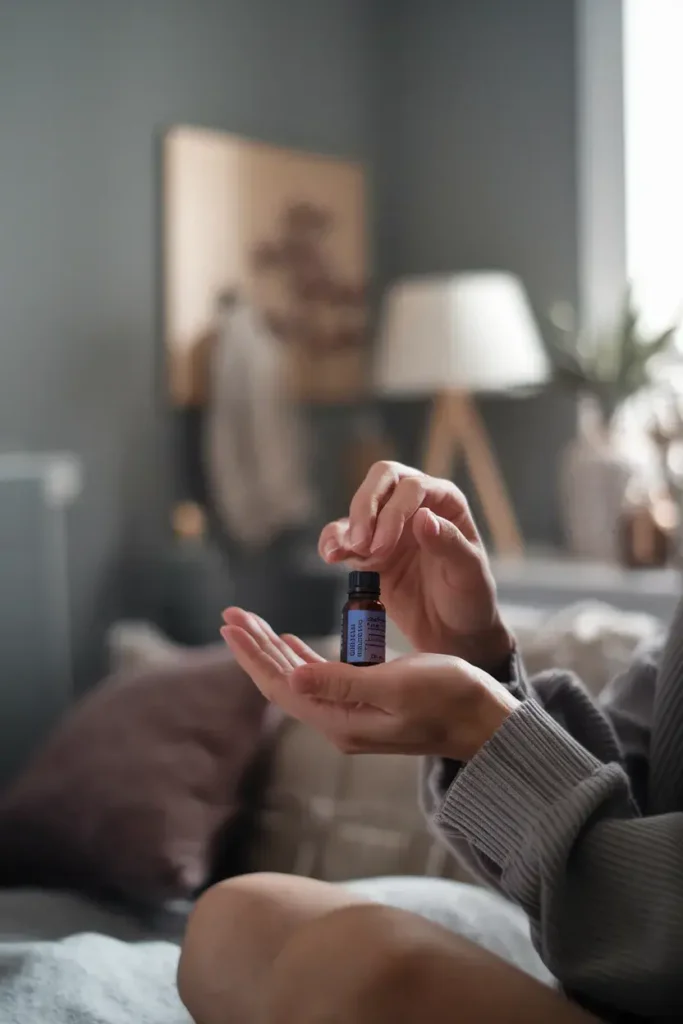
Pairing a calming scent with intentional breathing gives your senses and your mind something to focus on together.
How to use it: Put a drop of diluted oil on your wrist, breathe in deeply through your nose, and exhale slowly through your mouth.
9. DIY Calming Room Spray
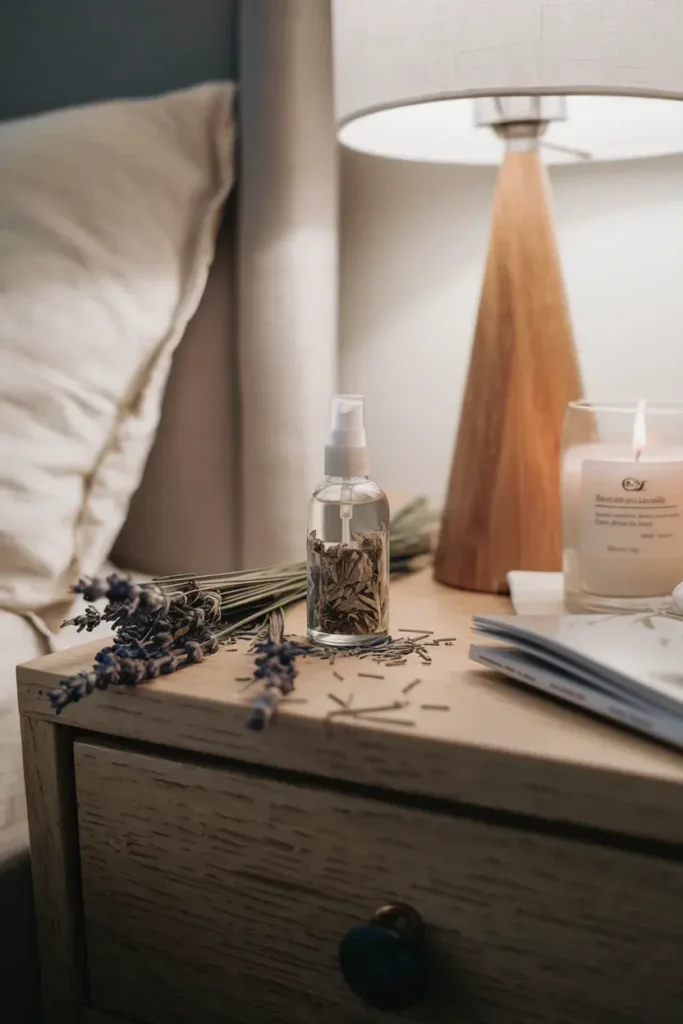
A simple homemade spray you can mist on pillows, linens, or even the air around you.
How to use it: Combine water, a splash of witch hazel, and a few drops of lavender or chamomile essential oil in a small spray bottle.
3. Mind-Body Practices
These are the free, always-available tools — you can do them anywhere, anytime anxiety shows up.
10. 4-7-8 Breathing Technique
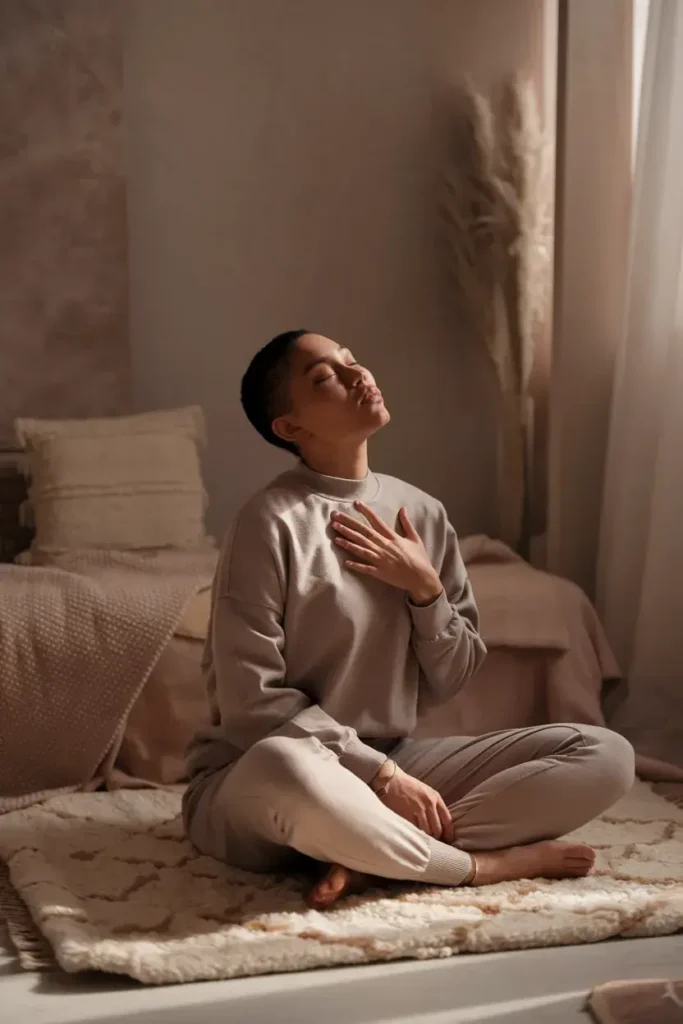
A simple breathing pattern that gives your nervous system a moment to reset.
How to do it: Inhale through your nose for 4 counts, hold for 7 counts, exhale slowly through your mouth for 8 counts. Repeat 3-4 times.
11. Box Breathing
Popular for its simplicity — equal counts in every direction make it easy to remember, even when your mind feels scattered.
How to do it: Inhale for 4 counts, hold for 4, exhale for 4, hold for 4. Repeat as needed.
12. Progressive Muscle Relaxation
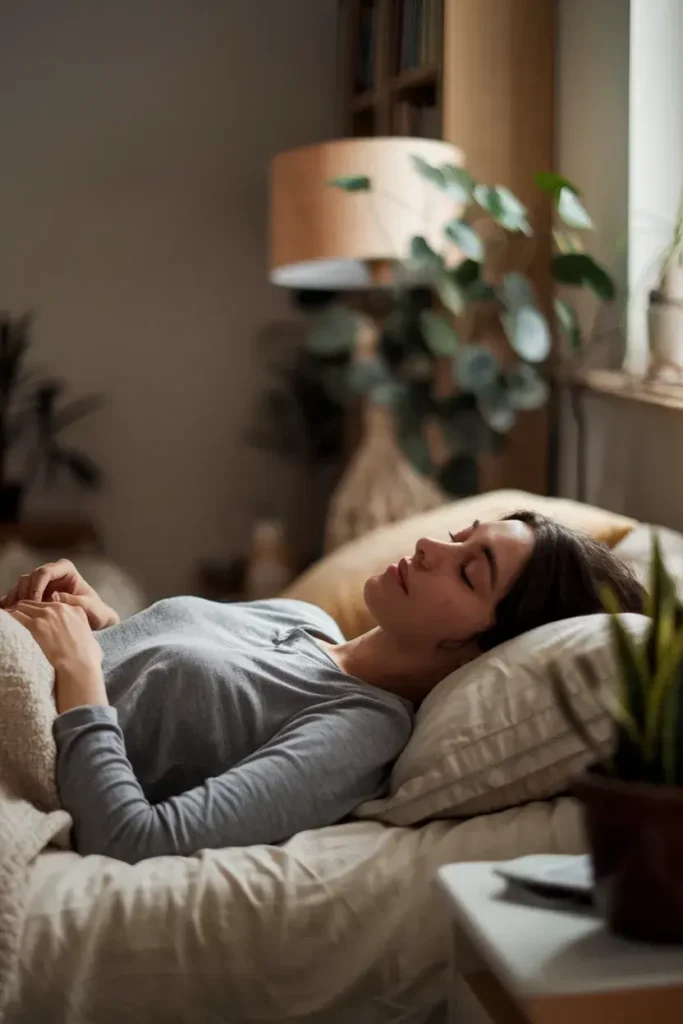
A technique that helps release physical tension that often builds up alongside anxious thoughts.
How to do it: Starting from your toes, tense each muscle group for 5 seconds, then release, working your way up to your head.
13. 5-4-3-2-1 Grounding Technique
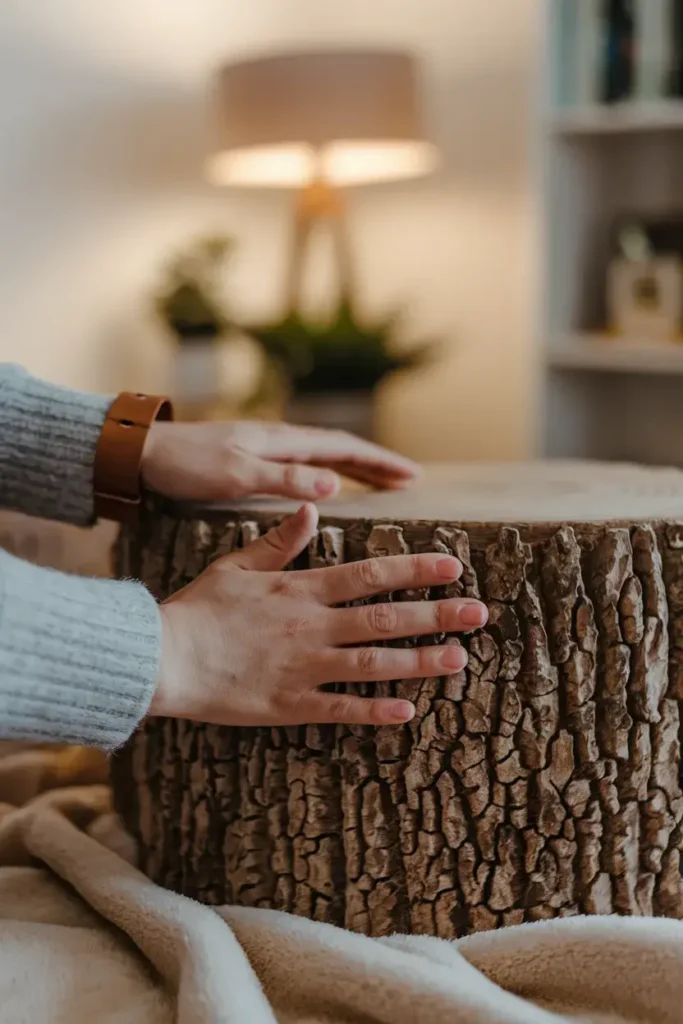
A gentle way to bring your mind back to the present moment when thoughts start spiraling.
How to do it: Name 5 things you see, 4 you can touch, 3 you hear, 2 you smell, and 1 you taste.
14. Gentle Yoga Stretches
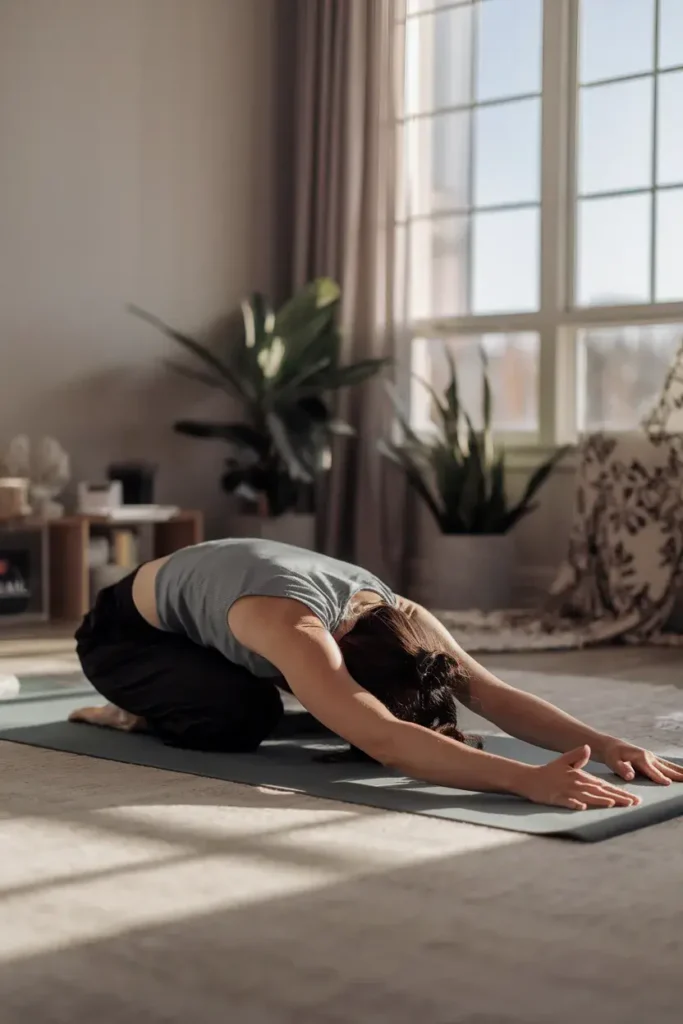
You don’t need a full practice — just a couple of slow, grounding poses can help release tension.
How to do it: Try child’s pose for a minute, followed by a few rounds of cat-cow to slowly move your spine and breath together.
15. Journaling for Anxiety
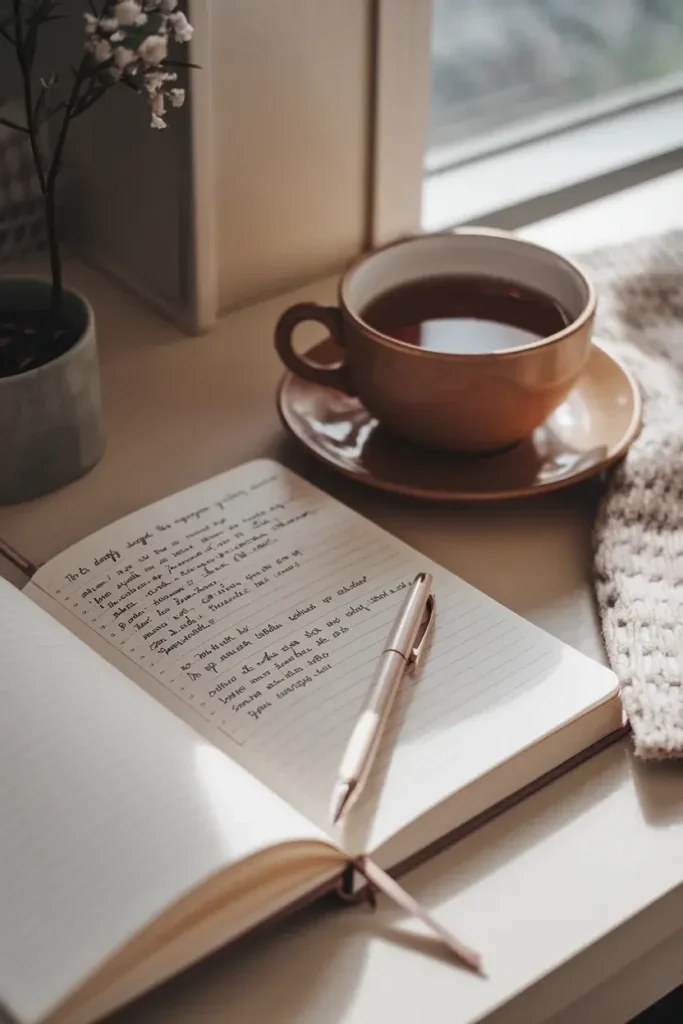
Getting worries out of your head and onto paper can make them feel more manageable.
How to do it: Try this simple prompt: “3 things worrying me right now” followed by “1 thing that’s actually in my control.”
4. Lifestyle & Home Remedies
Small shifts in your everyday environment and habits that add up over time.
16. Warm Epsom Salt Bath
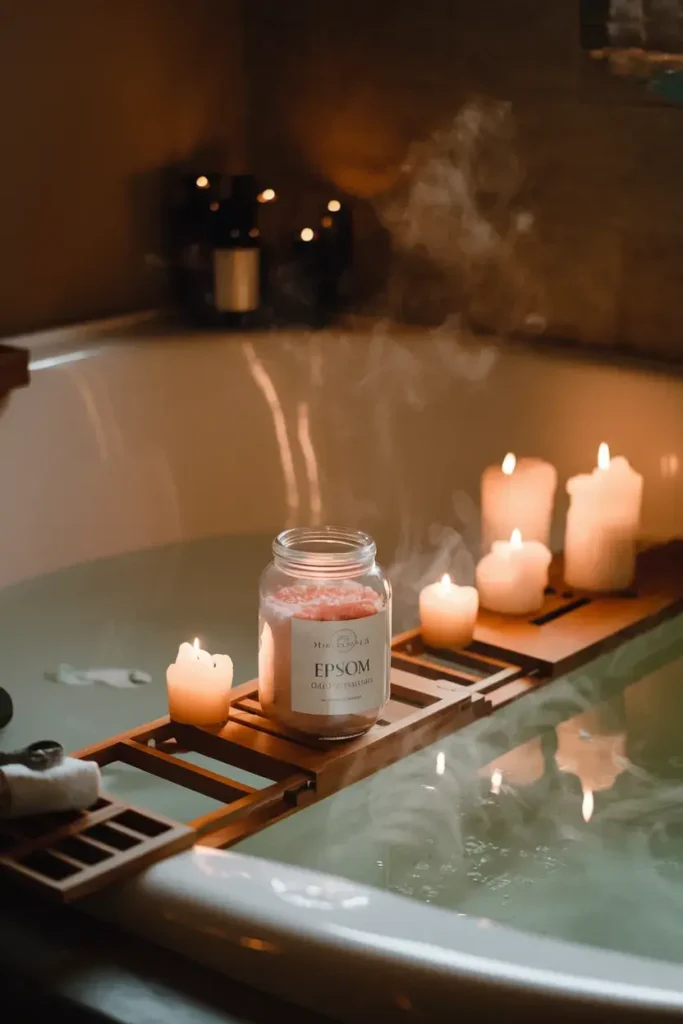
A slow soak gives your body permission to physically relax, which often helps your mind follow.
How to use it: Add 1-2 cups of Epsom salt to warm bathwater and soak for 15-20 minutes.
17. Weighted Blanket
The gentle, even pressure can feel like a comforting hug, especially during anxious evenings.
How to use it: Use it while relaxing on the couch or as part of your bedtime routine.
18. Reducing Caffeine Intake
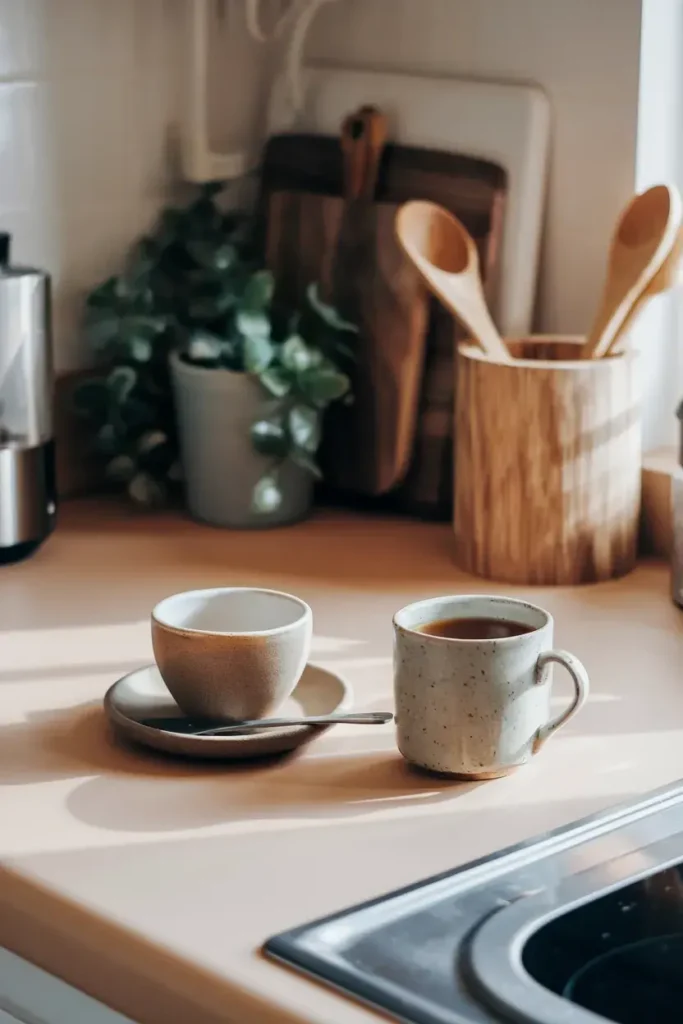
This isn’t about cutting caffeine out completely — just noticing how it affects your body and adjusting gently if needed.
How to try it: Swap your afternoon coffee for an herbal tea and see how you feel.
19. Nature Walks (“Grounding” Outdoors)
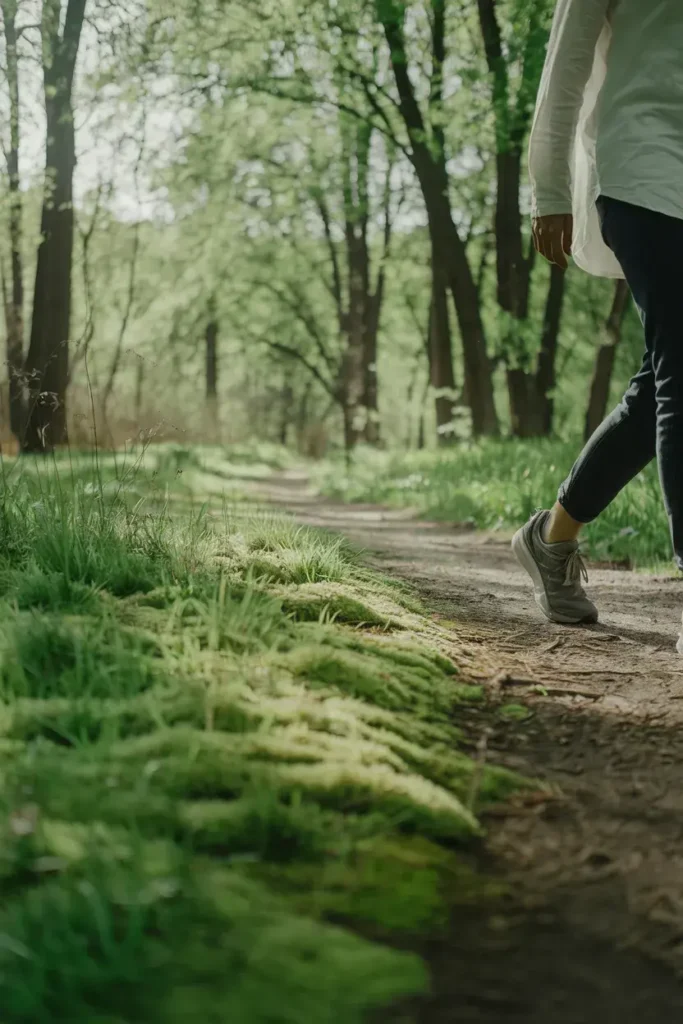
Stepping outside, especially onto grass or soil, is a simple way to slow down and reconnect with the present.
How to try it: Take a 10-15 minute walk outside, ideally somewhere green, without your phone.
20. Calming Playlist or White Noise
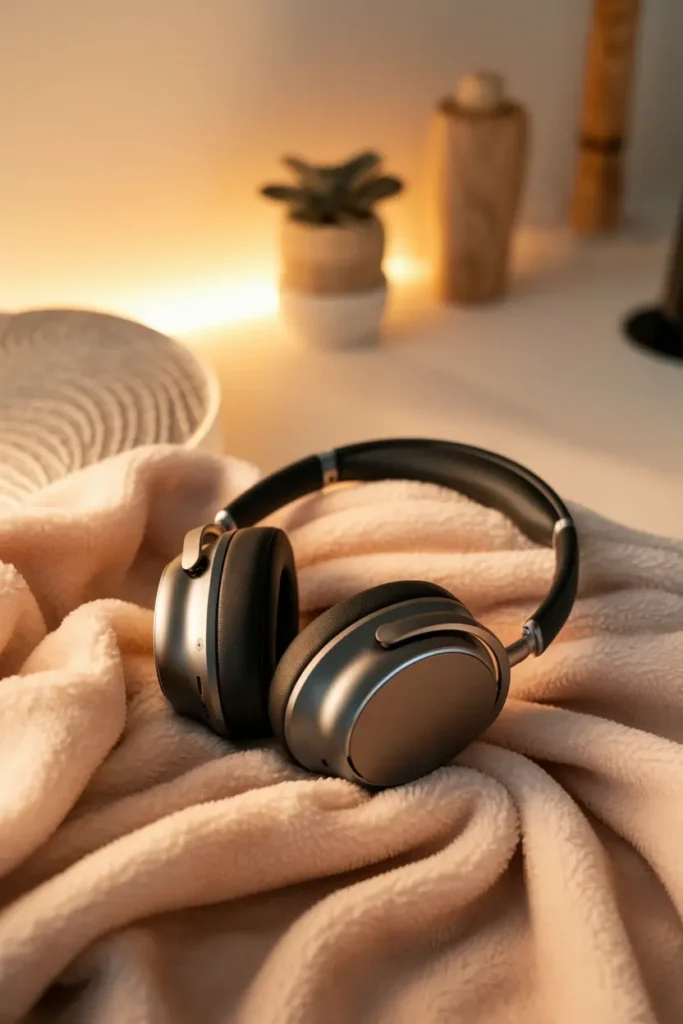
Sound can shift your environment instantly, giving your mind something soothing to settle into.
How to use it: Create a playlist of slow instrumental music, or try rain/white noise sounds while working or relaxing.
5. Nourishing Foods
21. Magnesium-Rich Foods
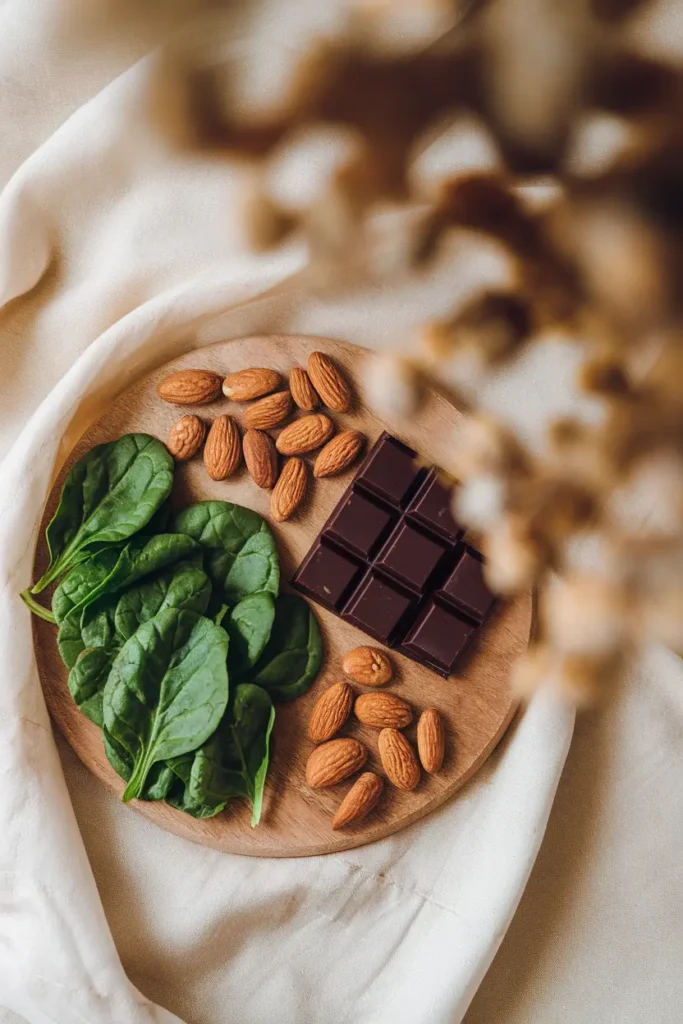
Instead of reaching for supplements, try adding more magnesium-rich foods into your everyday meals as a gentle, food-first approach.
How to use it: Add almonds, spinach, or a small square of dark chocolate into your daily routine.
Note: if you’re considering supplements for anxiety, it’s best to talk to a doctor first — dosages and interactions vary person to person, and that’s not something to self-prescribe.