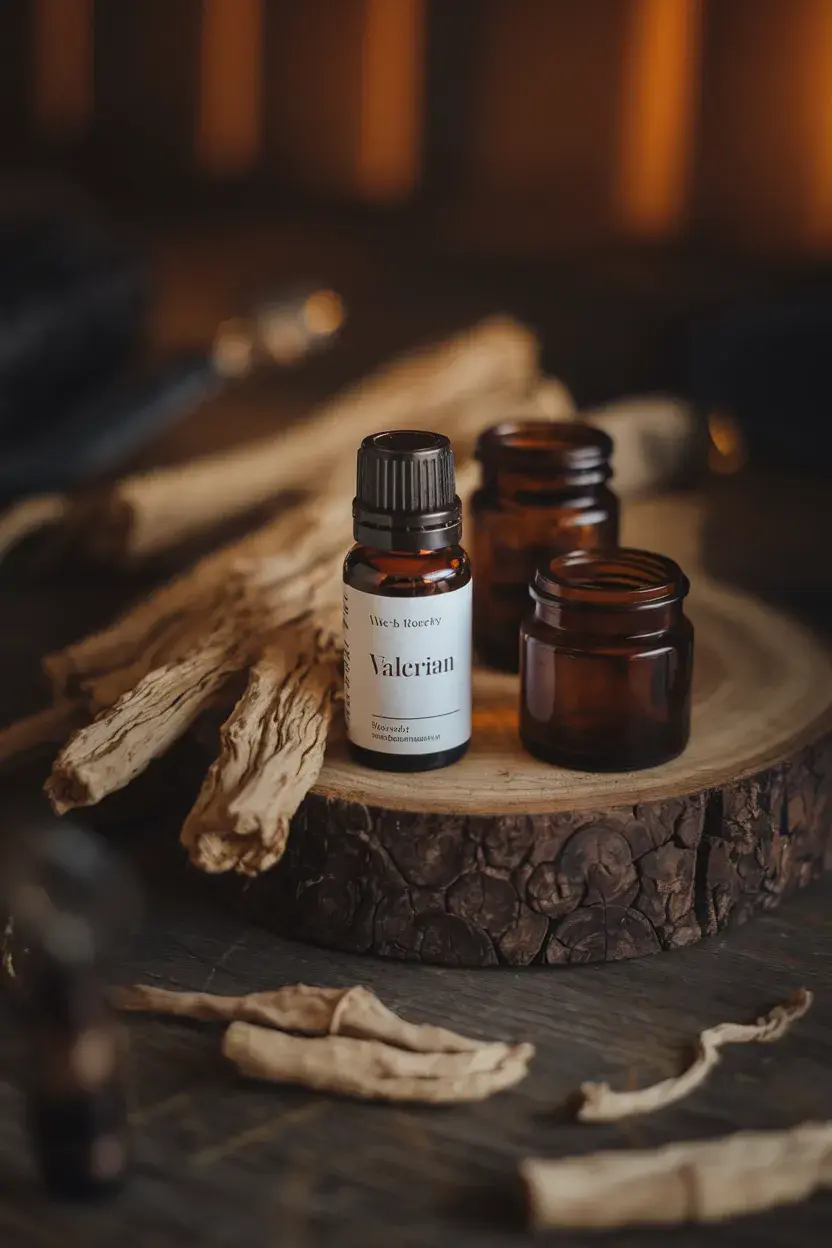
If you’ve ever laid in bed at 1 a.m. with your brain replaying every conversation you’ve had since 2019, you already know how frustrating a restless night can be.
That’s why so many people are turning to something simple, natural, and surprisingly soothing: essential oils.
Aromatherapy has been used for centuries as a way to wind down, and today it’s become a favorite part of self-care and bedtime routines for people looking for a more natural approach to relaxation.
It’s not a magic cure, and it’s not a substitute for treating a real sleep disorder — but for many people, a calming scent before bed is a small ritual that makes a big difference in how easy it is to unwind.
In this guide, you’ll find:
- 15 essential oils commonly used for sleep and relaxation
- Simple ways to use them (diffuser, roller bottle, pillow spray)
- Easy DIY blends you can try tonight
- Safety tips you should know before you start
Save this pin so you can come back to it anytime you need a calmer night.
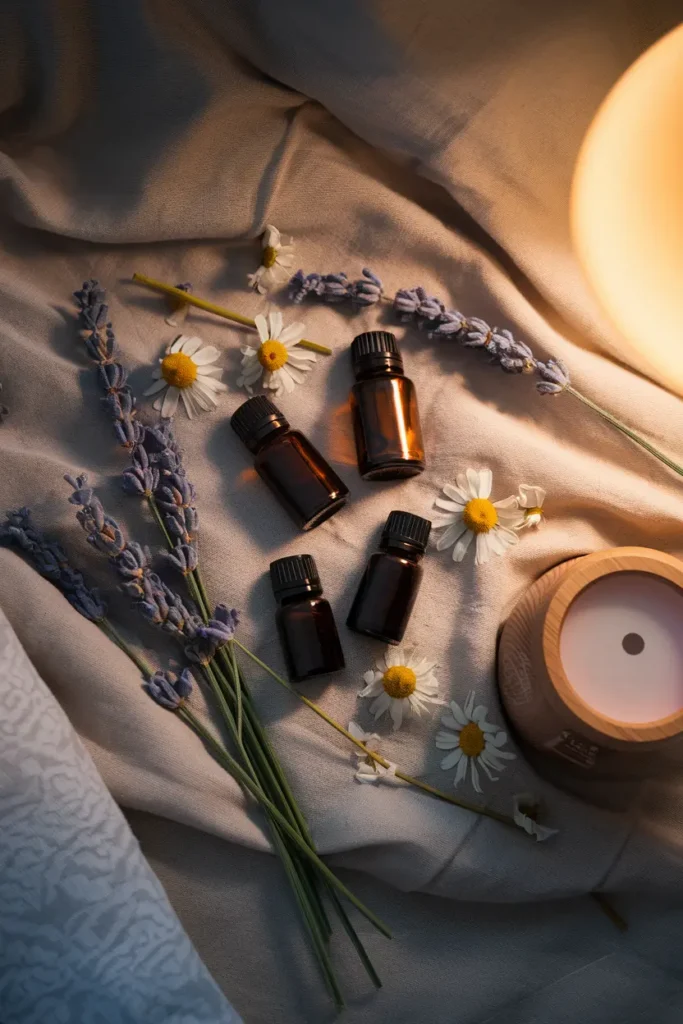
Quick Glance: 5 Popular Sleep Oils
Short on time?
Here are five of the most well-known go-to oils for sleep, each with the vibe it’s best known for:
- Lavender — the classic, calming favorite
- Chamomile — soft and soothing
- Cedarwood — warm and grounding
- Bergamot — gently uplifting, stress-easing
- Ylang Ylang — floral and deeply relaxing
Now let’s go through the full list.
15 Essential Oils for Sleep
1. Lavender
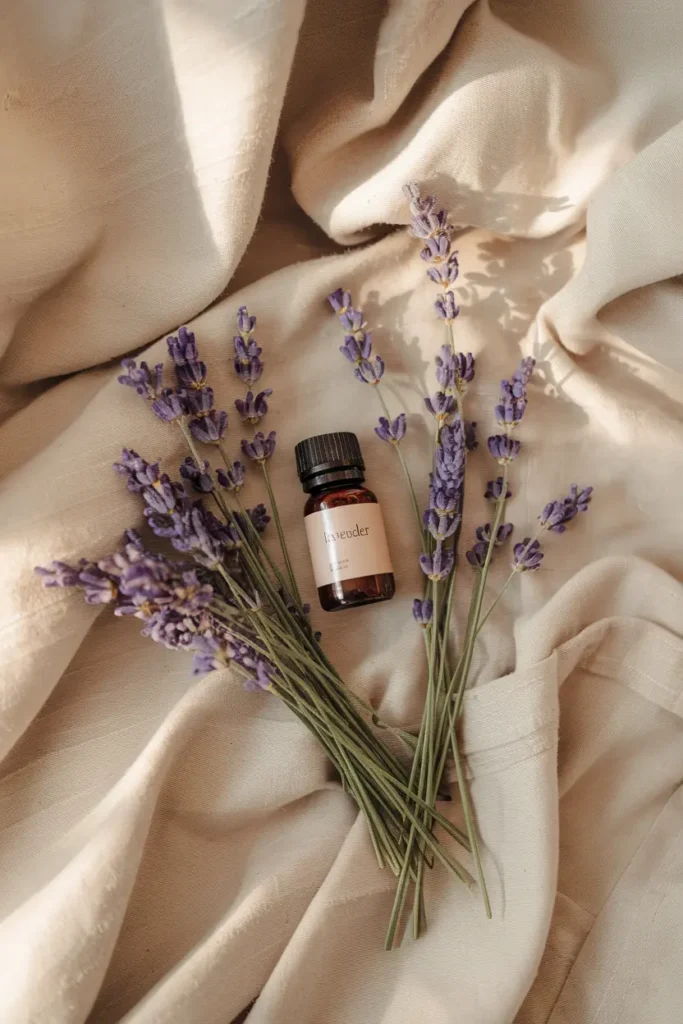
Lavender is the most talked-about essential oil for sleep, and it’s usually the first one people try. It’s known for its soft, floral scent that many describe as calming and “sleepy”.
How to use it: Add a few drops to a diffuser about 30 minutes before bed, or dilute with a carrier oil and apply to your wrists.
Pairs well with: Chamomile, cedarwood, bergamot.
2. Chamomile
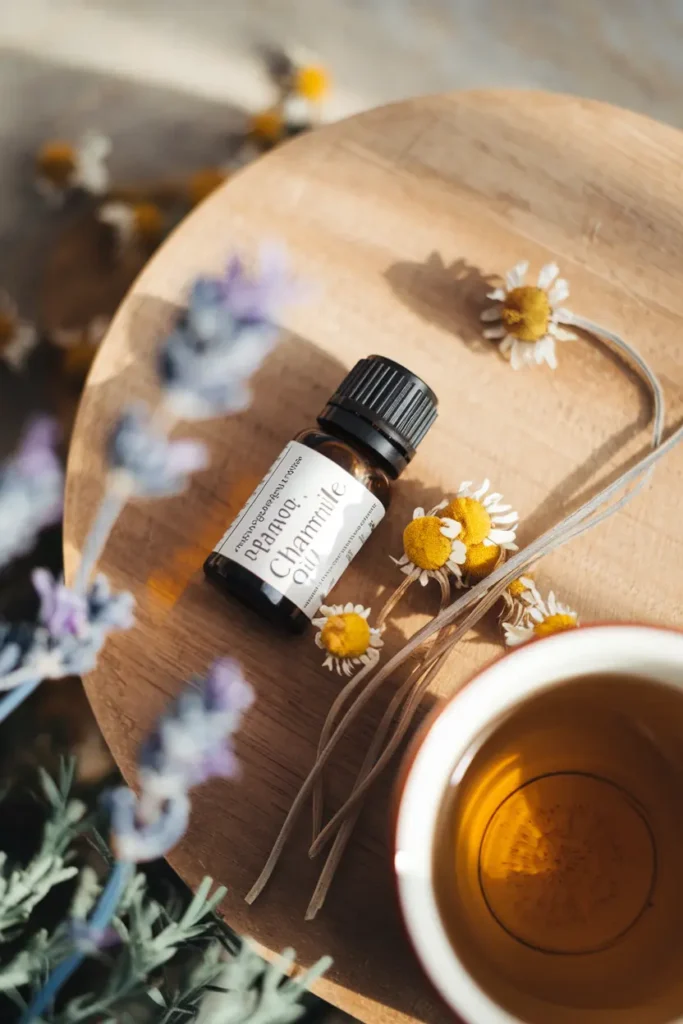
Yes, the same plant your tea is made from. Chamomile essential oil has a gentle, apple-like scent that feels cozy and soothing.
How to use it: Diffuse it in the evening, or mix into a pillow spray.
Pairs well with: Lavender, sweet orange.
3. Cedarwood
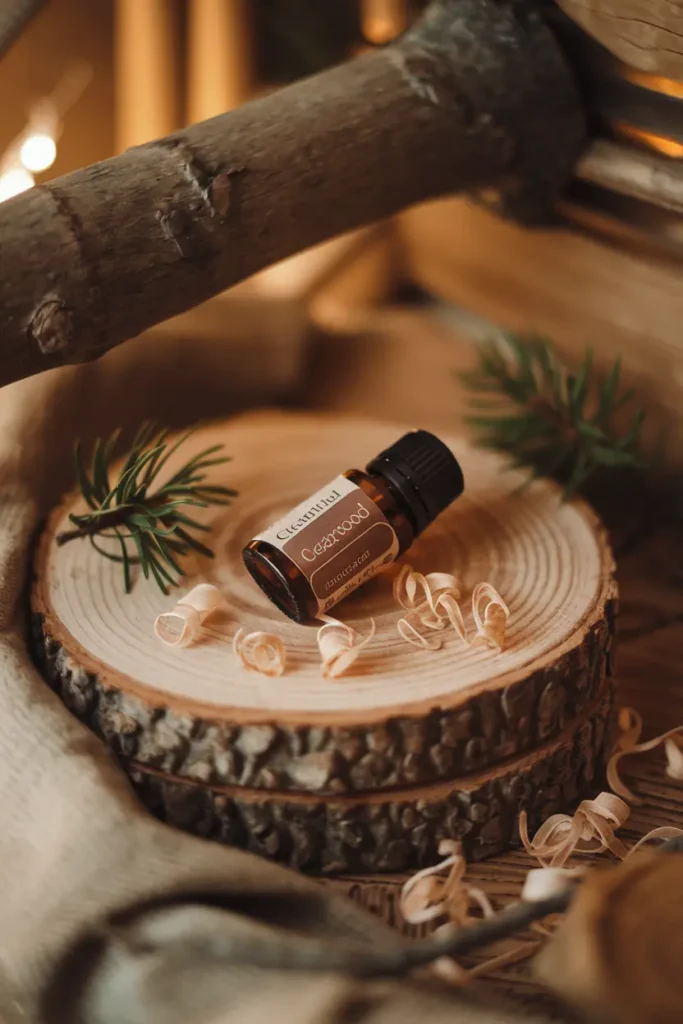
Cedarwood has a warm, woodsy scent often described as grounding — the kind of smell that makes a room feel like a cabin retreat.
How to use it: A few drops in a diffuser, or diluted and rubbed on the soles of your feet before bed.
Pairs well with: Lavender, vetiver, sandalwood.
4. Bergamot
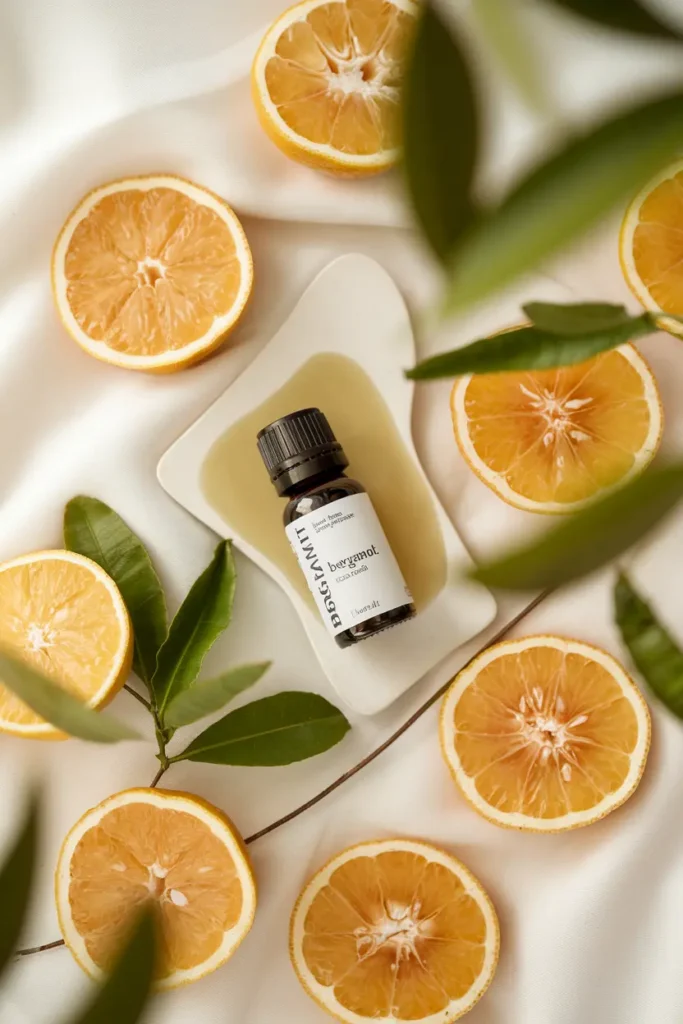
Bergamot is a citrus oil, but softer and less “wake-you-up” than other citrus scents. It’s often chosen by people trying to ease stress before bed.
How to use it: Diffuse alone or blended — some people like citrus scents earlier in the evening rather than right before lights-out.
Pairs well with: Lavender, ylang ylang.
5. Ylang Ylang
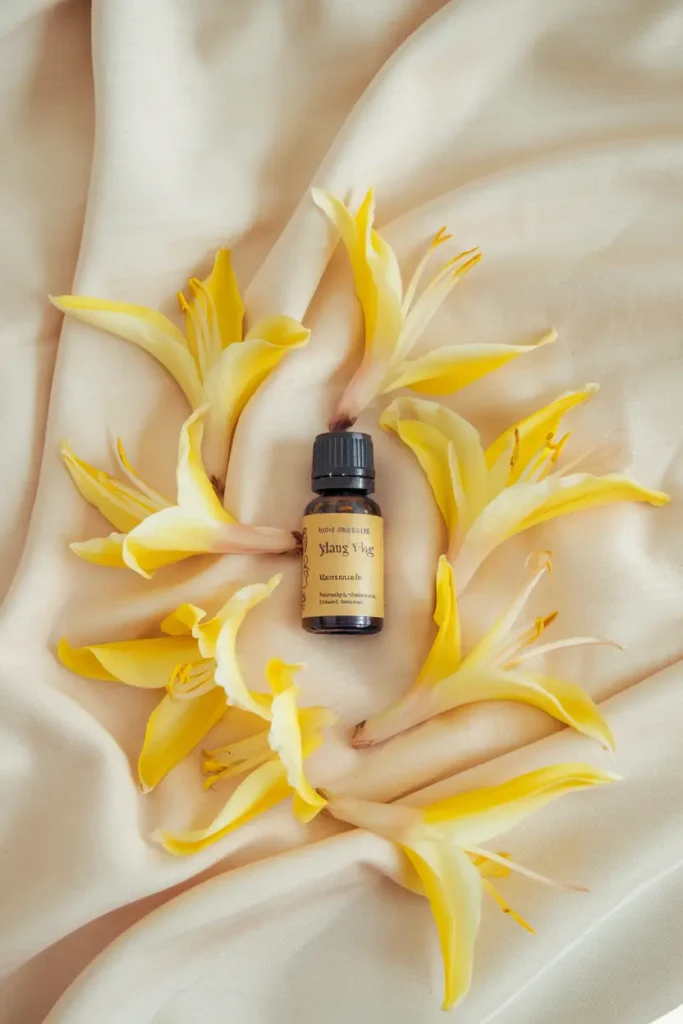
A rich, floral oil with a slightly sweet, exotic scent. It’s popular in relaxation blends.
How to use it: Use a light hand — a drop or two goes a long way in a diffuser.
Pairs well with: Bergamot, sandalwood.
6. Sandalwood
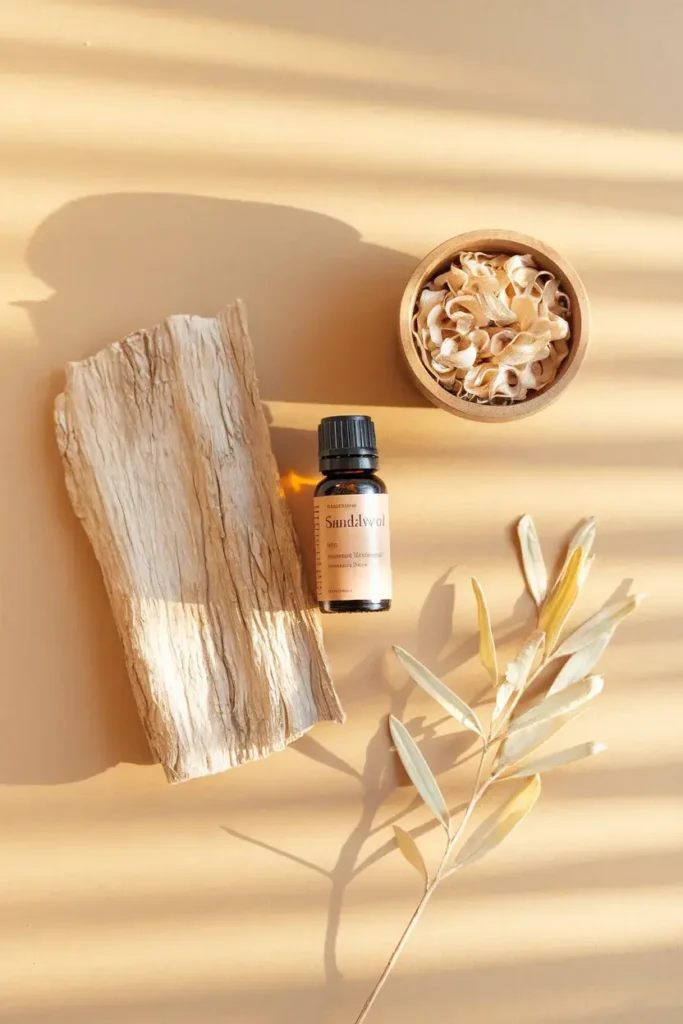
Sandalwood has a soft, woody, slightly sweet aroma that many find calming and meditative.
How to use it: Diffuse in the bedroom, or dilute for a relaxing hand massage before bed.
Pairs well with: Lavender, ylang ylang.
7. Clary Sage
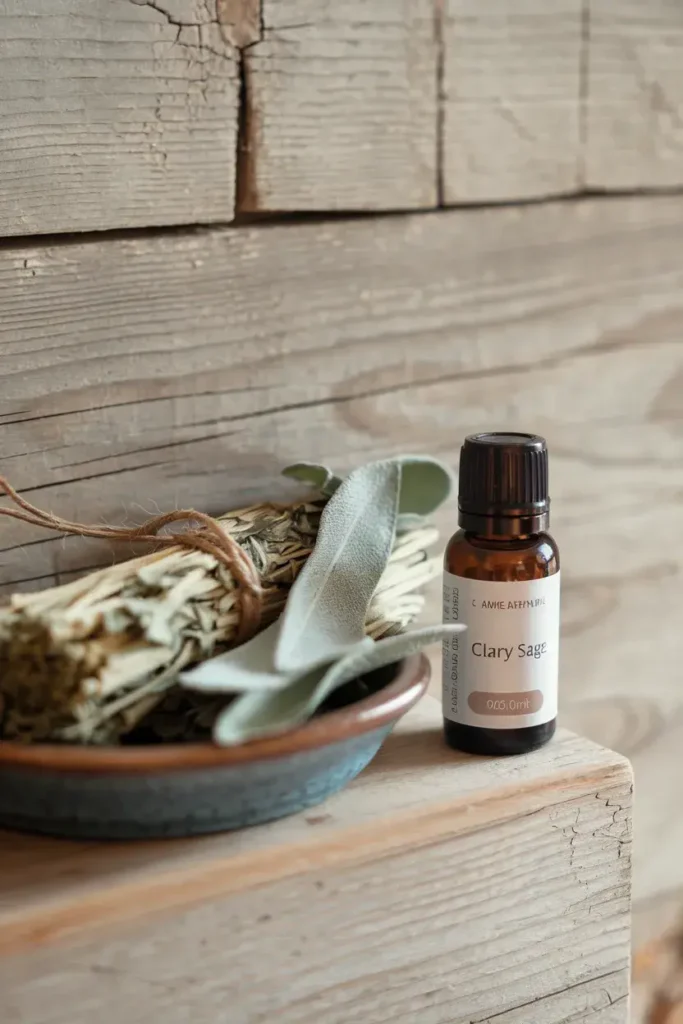
Clary sage has an earthy, herbal scent and is often included in “wind down” blends.
How to use it: A few drops in a diffuser in the evening.
Pairs well with: Lavender, bergamot.
8. Vetiver
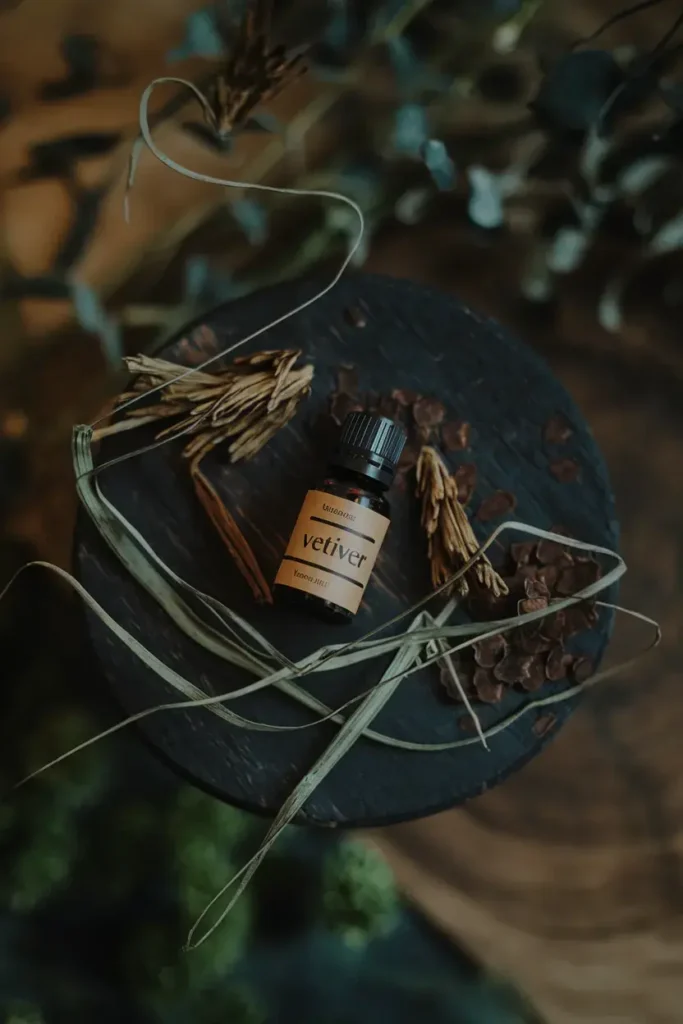
Vetiver is deep, earthy, and a little smoky — often used when people want something more grounding than floral.
How to use it: Diffuse in small amounts, since the scent is strong.
Pairs well with: Cedarwood, lavender.
9. Frankincense
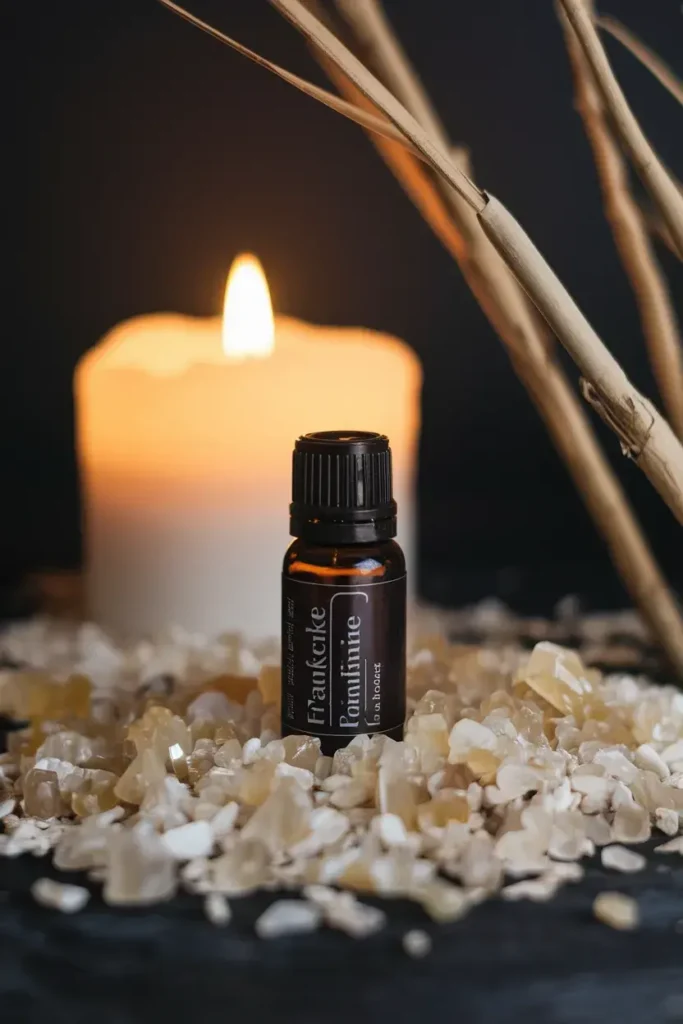
Frankincense has a warm, slightly spicy, resinous scent that’s often associated with slowing down and breathing deeply.
How to use it: Diffuse alone or use in a calming roller blend for pulse points.
Pairs well with: Sandalwood, lavender.
10. Marjoram
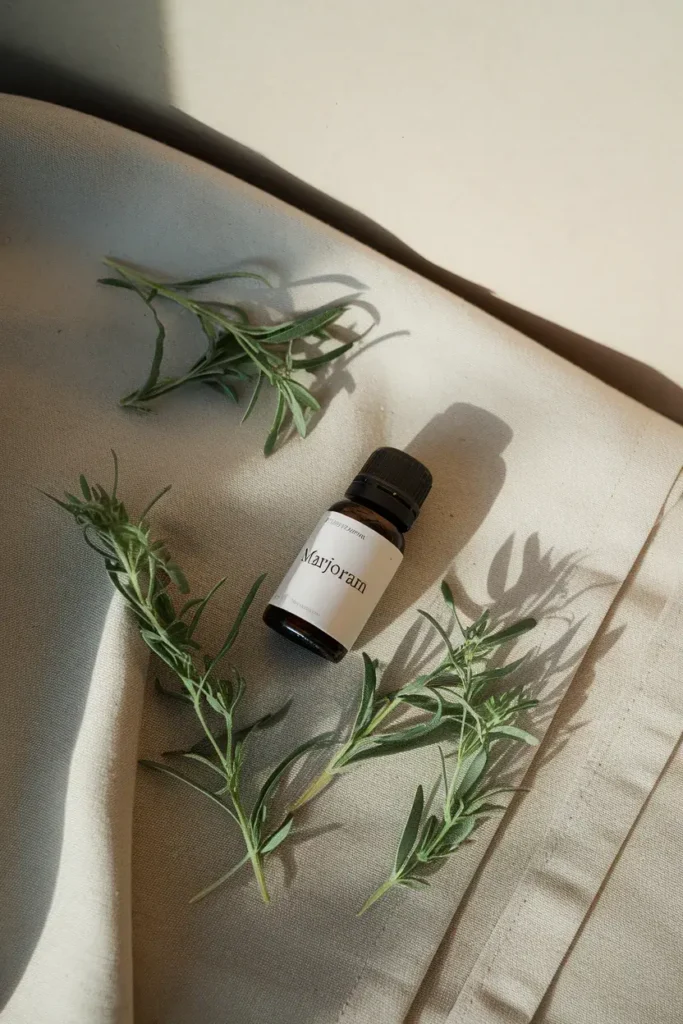
Sweet marjoram has a warm, slightly spicy herbal scent and is a popular choice in relaxation blends.
How to use it: Diffuse in the evening or dilute for a gentle massage oil.
Pairs well with: Lavender, chamomile.
11. Valerian
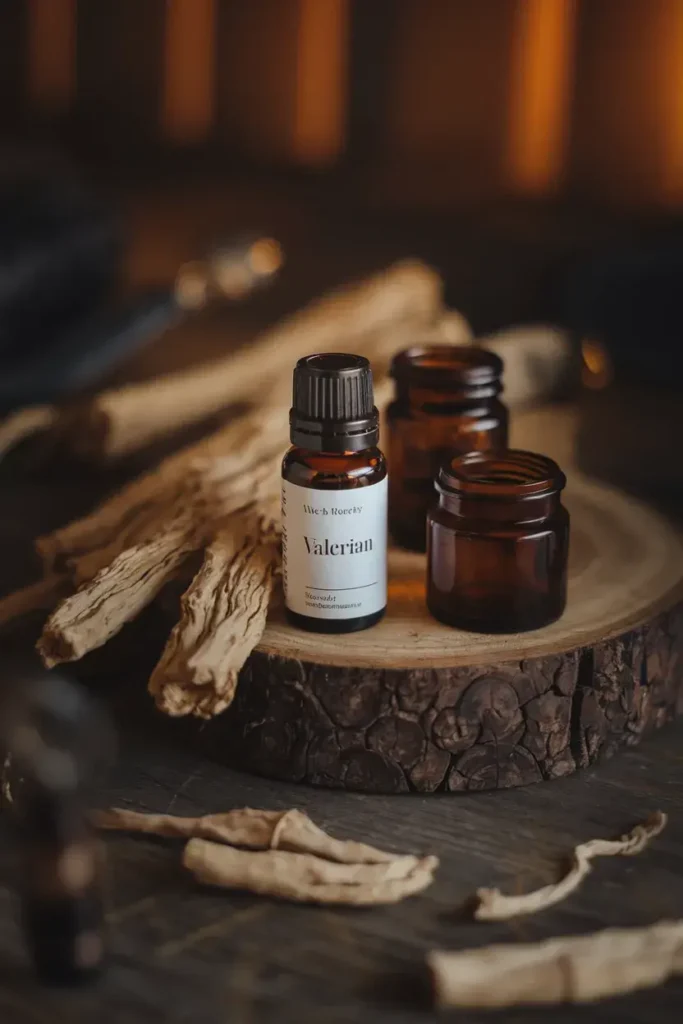
Valerian has a strong, earthy scent — much stronger than most oils on this list — and is traditionally associated with rest.
How to use it: Use sparingly, often blended with milder oils to soften the scent.
Pairs well with: Lavender, sweet orange (to balance the strong aroma).
12. Sweet Orange
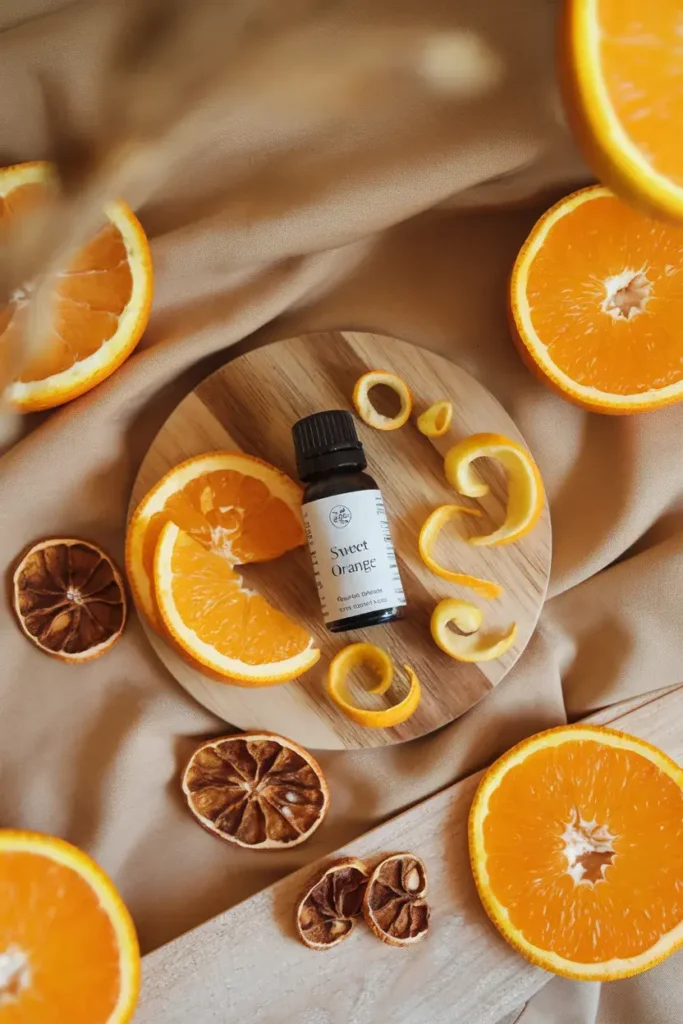
A bright, comforting citrus scent that feels cozy rather than energizing for a lot of people.
How to use it: Diffuse earlier in the evening as part of a wind-down routine.
Pairs well with: Chamomile, cedarwood.
13. Roman Chamomile
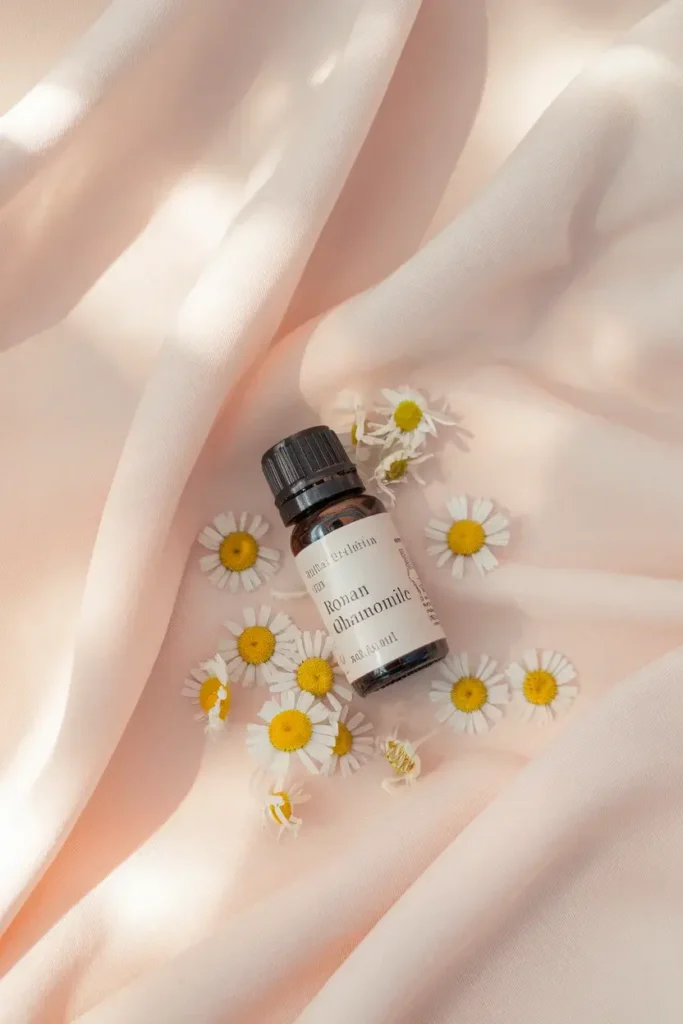
A gentler, slightly fruitier cousin of regular chamomile, often used in blends for its soft, calming aroma.
How to use it: Diffuse or dilute for a light before-bed hand or foot massage.
Pairs well with: Lavender, sweet orange.
14. Patchouli
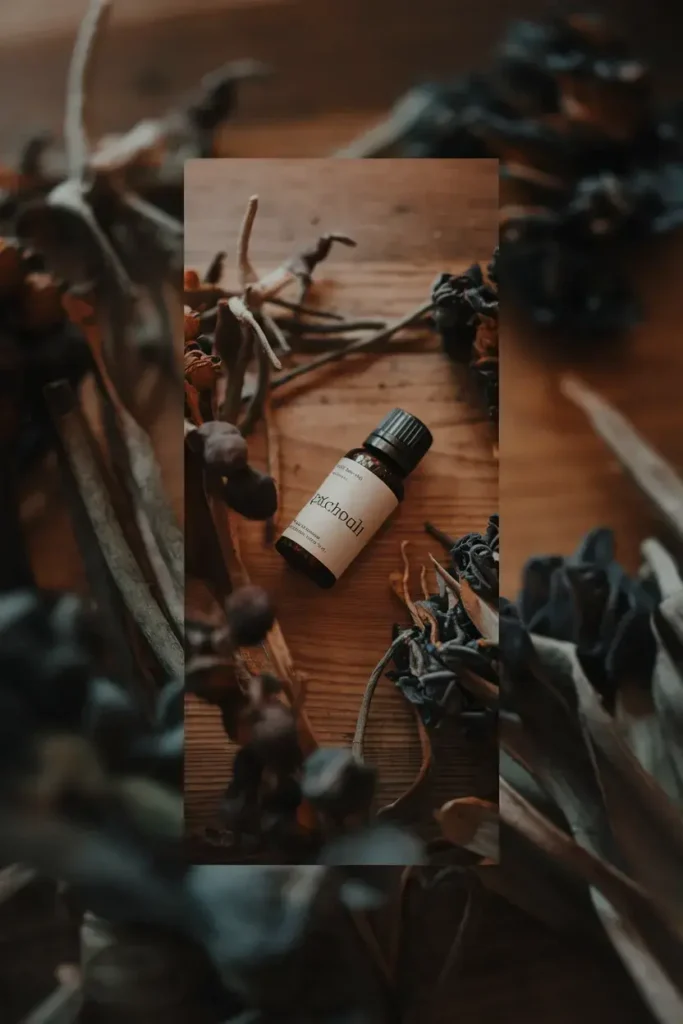
Patchouli has a deep, earthy, slightly sweet scent. It’s a love-it-or-not-sure-about-it oil, but fans find it very grounding.
How to use it: Use in small amounts, blended with lighter florals.
Pairs well with: Lavender, sandalwood.
15. Lavender + Chamomile Blend
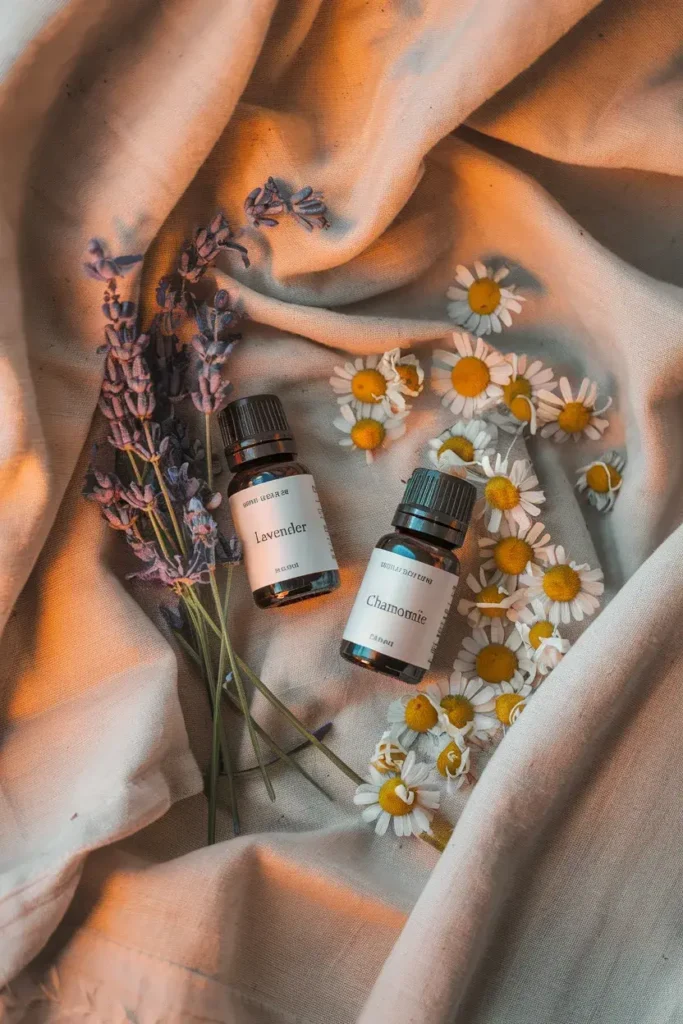
This classic combo brings together two of the most popular calming scents — a great starting point if you’re new to essential oils for sleep.
How to use it: Equal parts in a diffuser, or as the base of a pillow spray.
DIY Sleep Blends to Try Tonight
Here are a few simple combinations to get you started.
Because oil potency and personal sensitivity vary, treat these as a general starting point rather than an exact formula — and always check the dilution guidance on your specific oil brand before applying anything to skin.
🌙 Sweet Dreams Diffuser Blend
- Lavender
- Chamomile
- A touch of sweet orange
🌙 Calm Mind Blend
- Bergamot
- Ylang ylang
- Cedarwood
🌙 Deep Rest Roller Blend (dilute in a carrier oil such as jojoba or fractionated coconut oil before applying to skin)
- Lavender
- Sandalwood
- Frankincense
🌙 Cozy Pillow Spray
- Distilled water in a small spray bottle
- A few drops of lavender and chamomile
- A splash of witch hazel or high-proof alcohol to help the oil disperse in the water
Note: Exact ratios and dilution percentages vary by oil and by brand, and safe dilution for skin application should be checked against your specific product’s guidance; this is worth verifying before you mix anything you’ll apply topically.
How to Use Essential Oils for Sleep
Diffusing
The most common and beginner-friendly method. Run your diffuser for 20–30 minutes before bed rather than all night, so the scent is present as you’re winding down.
Topical Application
Essential oils are potent and should be diluted with a carrier oil (like sweet almond, jojoba, or coconut oil) before touching skin. Common application spots include wrists, temples, and the soles of the feet.
Pillow or Linen Spray
A quick spritz on your pillowcase or sheets can add a calming scent without needing a diffuser running all night.
Warm Bath Soak
Adding a few drops of a calming oil (mixed into a carrier oil or bath dispersant first, not directly into water) to a warm bath can be part of a relaxing pre-bed routine.
Safety Tips to Know Before You Start
- Always dilute essential oils with a carrier oil before applying to skin — using them undiluted can irritate.
- Do a patch test on a small area of skin first to check for a reaction.
- Pregnant or nursing? Some oils aren’t recommended during pregnancy or for young children. This needs verification with a healthcare provider or a current, reliable aromatherapy safety reference before using oils in these situations — safety guidance can vary by oil and by individual health circumstances.
- Quality matters. Look for pure, well-labeled oils rather than synthetic fragrance oils, and check that a company shares sourcing and testing information. If you want a specific brand recommendation, that’s worth researching separately, since quality and testing standards vary between companies.
- Essential oils are not a treatment for chronic insomnia or diagnosed sleep disorders. If sleep problems are ongoing or significantly affecting your life, it’s worth talking to a doctor rather than relying on aromatherapy alone.
Bonus: Build a Full Nighttime Ritual
Essential oils tend to work best as part of a bigger wind-down routine, not a stand-alone fix. Consider pairing your favorite scent with:
- Dimming the lights an hour before bed
- Putting your phone away or on do-not-disturb
- A few minutes of slow, deep breathing
- Light stretching or a short journaling session
- A warm (non-caffeinated) drink
Small rituals like these signal to your brain that it’s time to slow down — and a calming scent can become the “cue” that ties it all together.
Quick FAQ
How long does it take to feel the effects of aromatherapy?
This varies a lot from person to person, and there isn’t a single universal timeframe — some people notice a calming effect within minutes of smelling a scent they associate with relaxation, while for others it’s more about the routine built around it.
Can I mix multiple oils?
Yes, many people blend oils like lavender and chamomile, or cedarwood and bergamot. Start with small amounts and adjust based on what scent combinations you enjoy.
Are essential oils safe for children?
Some oils and methods of use are considered gentler than others for kids, but this is an area where guidance varies and changes. This needs verification with a pediatrician or a current, trusted aromatherapy safety source before using any essential oil around or on a child.
Final Thoughts
A better night’s sleep often comes down to a combination of small habits, and a calming scent can be a lovely piece of that puzzle. Whether you’re drawn to classic lavender or want to experiment with a custom blend, the key is finding what actually helps you relax.
💛 Save this pin so you can come back to it next time you’re building your bedtime routine, and give one of these blends a try tonight.