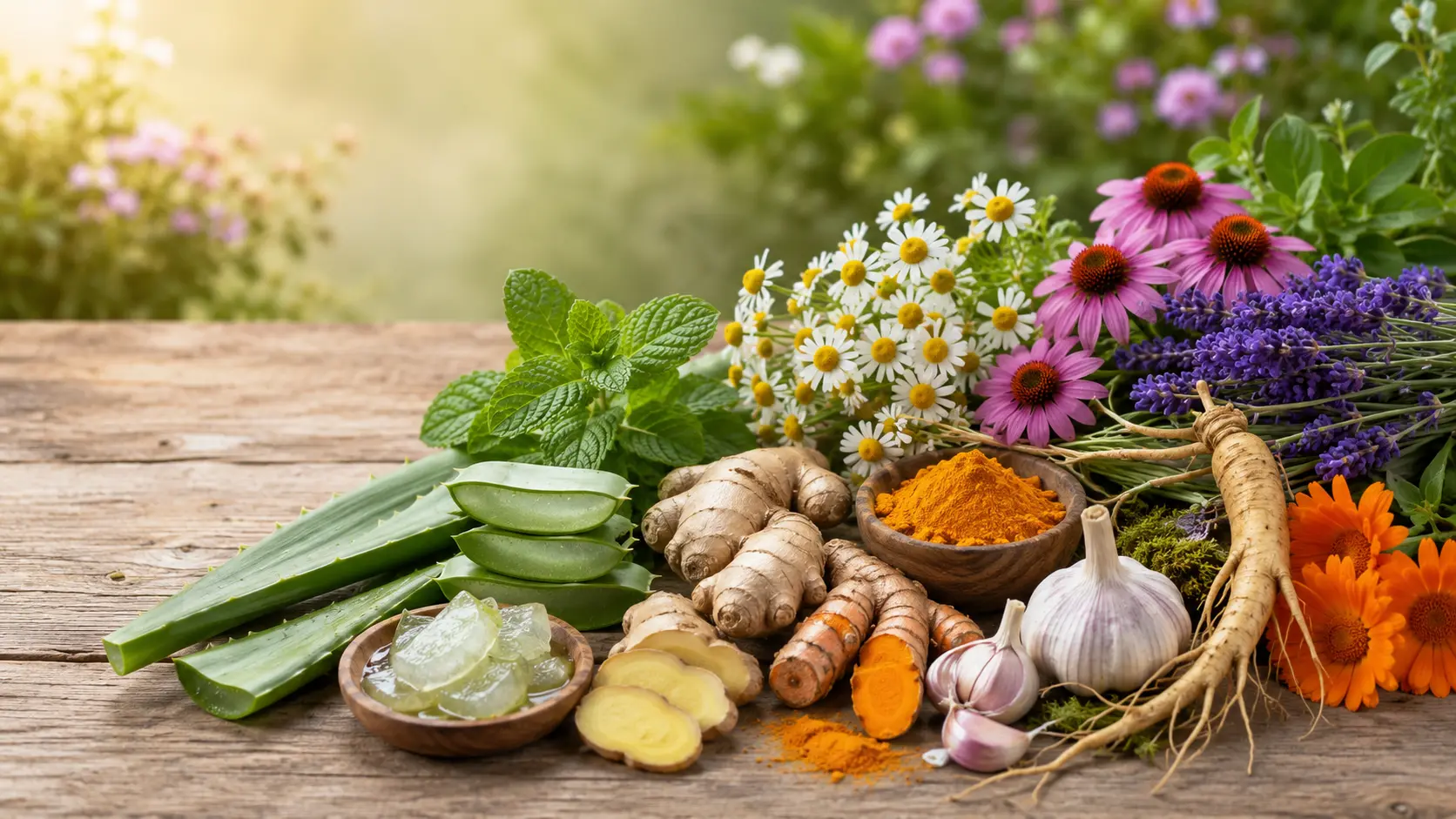
Long before modern pharmacies existed, people relied on leaves, roots, flowers, seeds, and plant extracts to support their health.
Some of those traditional remedies remain popular today, appearing in everything from herbal teas and kitchen spices to skin creams and dietary supplements.
However, a plant’s long history of use does not automatically prove that it works for every claimed purpose. “Natural” also does not mean harmless.
Medicinal plants contain biologically active compounds that may cause side effects, trigger allergic reactions, or interact with prescription medications.
This guide explores 10 widely recognized medicinal plants, how they have traditionally been used, what current research suggests, and the safety issues consumers should understand before trying them.
Important: This article is for general educational purposes and is not a substitute for diagnosis or treatment by a qualified health professional.
What Is a Medicinal Plant?
A medicinal plant is a plant—or a particular part of a plant—used with the intention of supporting health, relieving symptoms, or contributing to the treatment of a health condition.
The leaves, flowers, bark, roots, seeds, fruits, oils, or underground stems may be used depending on the species.
Medicinal plants can appear in several forms:
- Fresh or dried culinary herbs
- Herbal teas
- Powders and capsules
- Liquid extracts and tinctures
- Essential oils
- Creams, gels, and ointments
- Standardized dietary supplements
These forms are not interchangeable. A cup of ginger tea, for example, may contain a much lower concentration of plant compounds than a ginger extract capsule.
Similarly, using a small amount of turmeric in food is different from taking a highly concentrated curcumin supplement.
Traditional use can provide valuable historical and cultural information, but it is not the same as evidence from controlled clinical trials.
The quality of research varies greatly among medicinal plants, and many claimed benefits remain uncertain.
1. Aloe Vera
Botanical name: Aloe vera
Aloe vera is a succulent plant with thick leaves containing a clear inner gel. It is one of the most recognizable plants used in skin-care products and home remedies.
Traditional and Common Uses
Aloe gel is commonly applied to the skin for:
- Minor burns
- Sunburn
- Dry skin
- Minor irritation
- General skin moisturization
Some research suggests that topical aloe preparations may help certain skin conditions or support the healing of minor burns, although results depend on the product and condition being treated.
Evidence is not strong enough to consider aloe a replacement for appropriate wound or burn care.
Common Forms
Aloe vera is available as:
- Fresh inner-leaf gel
- Commercial gels
- Lotions
- Creams
- Beverages
- Oral supplements
Safety Considerations
Topical aloe gel is generally well tolerated, but some people may experience itching, burning, or a rash.
Oral aloe requires greater caution. Aloe latex, the yellow substance found beneath the plant’s outer leaf, is different from the clear gel.
Consuming aloe latex can cause abdominal pain, cramping, and diarrhea. It should not be treated as a routine wellness product or weight-loss remedy.
People taking diabetes medication should consult a healthcare professional before using oral aloe products because unwanted interactions may occur.
2. Ginger
Botanical name: Zingiber officinale
Ginger is technically a rhizome—an underground plant stem—rather than a conventional root. It is widely used as both a culinary spice and a traditional remedy.
Traditional and Potential Uses
Ginger is most commonly associated with:
- Nausea
- Pregnancy-related nausea
- Motion-related discomfort
- Indigestion
- Menstrual cramps
- General digestive discomfort
Research suggests that ginger may help relieve some forms of nausea, particularly mild nausea and vomiting during pregnancy.
However, evidence for chemotherapy-related nausea, motion sickness, arthritis, and other conditions is inconsistent or limited.
Common Forms
Ginger may be consumed as:
- Fresh ginger
- Dried powder
- Tea
- Candied ginger
- Capsules
- Liquid extracts
Using ginger as a food ingredient is not equivalent to taking a concentrated supplement.
Safety Considerations
Possible side effects include:
- Heartburn
- Gas
- Stomach discomfort
- Diarrhea
- Mouth irritation
People who are pregnant, have gallstone disease, take blood-thinning medication, or are preparing for surgery should discuss ginger supplements with a qualified healthcare professional.
3. Turmeric
Botanical name: Curcuma longa
Turmeric is a bright yellow-orange spice from the ginger family. It is widely used in South Asian cooking and has a long history in traditional healing systems.
Curcumin is one of turmeric’s most studied compounds, although turmeric contains many other naturally occurring substances.
Traditional and Potential Uses
Turmeric and curcumin products are commonly promoted for:
- Joint discomfort
- Inflammatory conditions
- Indigestion
- General antioxidant support
- Exercise-related soreness
Laboratory findings have generated substantial interest in curcumin, but clinical evidence in humans remains mixed.
Research has not established turmeric as a cure for arthritis, chronic inflammation, cancer, Alzheimer’s disease, or other serious conditions.
Common Forms
Turmeric may be used as:
- A culinary spice
- Fresh rhizome
- Herbal tea
- “Golden milk”
- Capsules
- Concentrated curcumin extracts
Concentrated supplements may expose users to much higher amounts than ordinary food preparation.
Safety Considerations
Turmeric used in food is generally considered safe for most people. Higher supplemental doses or long-term use may cause:
- Nausea
- Acid reflux
- Diarrhea
- Stomach discomfort
People with gallbladder problems, liver conditions, bleeding disorders, or scheduled surgery should seek medical guidance before using concentrated turmeric or curcumin supplements.
Product quality also matters because contaminated turmeric products have occasionally been identified.
4. Peppermint
Botanical name: Mentha × piperita
Peppermint is a fragrant hybrid mint frequently used in tea, candy, toothpaste, aromatherapy products, and digestive supplements.
Traditional and Potential Uses
Peppermint has traditionally been used for:
- Gas
- Bloating
- Indigestion
- Abdominal discomfort
- Nausea
- Headache
The strongest evidence relates to enteric-coated peppermint oil capsules for irritable bowel syndrome.
Studies suggest that these products may modestly reduce short-term IBS symptoms, including abdominal pain, bloating, and gas.
Peppermint tea is milder than concentrated peppermint oil and has not been studied as extensively for IBS.
Common Forms
Peppermint is available as:
- Tea
- Fresh or dried leaves
- Enteric-coated capsules
- Diluted topical products
- Essential oil
- Aromatherapy products
Safety Considerations
Oral peppermint oil may cause:
- Heartburn
- Nausea
- Abdominal pain
- Dry mouth
It may worsen acid reflux in some people.
Peppermint oil should not be applied to the face of infants or young children because inhaled menthol may cause serious breathing problems.
Essential oils should not be swallowed casually or used undiluted on the skin.
5. Chamomile
Botanical names: Matricaria chamomilla and Chamaemelum nobile
Chamomile is a daisy-like flowering plant best known as an ingredient in relaxing herbal tea.
Traditional and Potential Uses
Chamomile has traditionally been used for:
- Relaxation
- Sleep support
- Digestive discomfort
- Mouth irritation
- Minor skin irritation
Although chamomile tea is widely associated with sleep, clinical trials have not conclusively established that it treats insomnia.
It may still serve as part of a calming evening routine, but it should not replace medical evaluation for persistent sleep problems.
Common Forms
Chamomile is sold as:
- Tea
- Dried flowers
- Capsules
- Liquid extracts
- Mouth rinses
- Creams and ointments
Safety Considerations
Chamomile is likely safe in normal food and tea amounts for most adults.
However, allergic reactions can occur, especially in people who are sensitive to:
- Ragweed
- Daisies
- Chrysanthemums
- Marigolds
- Other plants in the same botanical family
Chamomile may also interact with certain medications, including anticoagulants and sedatives.
Pregnant or breastfeeding individuals should consult a healthcare professional before taking medicinal-strength products.
6. Echinacea
Botanical names: Echinacea purpurea, Echinacea angustifolia, and related species
Echinacea, also called coneflower, is native to North America.
Several species have been used traditionally, and different commercial products may contain different plant parts or combinations of species.
Traditional and Potential Uses
Echinacea is most commonly marketed for:
- Immune support
- Cold prevention
- Shortening cold symptoms
- Seasonal respiratory wellness
Evidence is mixed.
Some research suggests that certain echinacea products might slightly reduce a person’s chance of catching a cold, but it remains unclear whether echinacea reliably shortens the duration of an existing cold.
Results can vary because commercial products differ in species, plant parts, extraction methods, and concentrations.
Common Forms
Echinacea is available as:
- Capsules
- Tablets
- Tea
- Liquid extracts
- Tinctures
- Lozenges
Safety Considerations
Short-term use appears to be tolerated by many adults, but possible side effects include:
- Nausea
- Stomach pain
- Abdominal discomfort
- Allergic reactions
People with allergies to ragweed or related plants may be more likely to react.
Those with autoimmune diseases, immune-system disorders, or immunosuppressant treatment should consult their healthcare provider before using echinacea.
7. Garlic
Botanical name: Allium sativum
Garlic is one of the world’s most widely used culinary plants. It has also been used traditionally in multiple cultures for cardiovascular, respiratory, and infectious conditions.
Traditional and Potential Uses
Garlic is commonly studied or promoted for:
- Cholesterol management
- Blood pressure support
- Cardiovascular health
- Immune function
- Cold prevention
Research suggests that garlic supplements may produce small reductions in total and LDL cholesterol in some people.
Certain preparations may also modestly reduce blood pressure in people with hypertension.
However, garlic should not replace prescribed cardiovascular treatment or established lifestyle measures.
Common Forms
Garlic may be used as:
- Fresh cloves
- Cooked garlic
- Garlic powder
- Garlic oil
- Aged garlic extract
- Capsules or tablets
Different preparations do not necessarily contain the same active compounds.
Safety Considerations
Garlic can cause:
- Breath and body odor
- Heartburn
- Gas
- Stomach upset
- Skin irritation when applied topically
Garlic supplements may increase bleeding risk, particularly when combined with anticoagulant or antiplatelet medication.
Anyone preparing for surgery should tell the surgical team about garlic supplements and other herbal products.
Using garlic in ordinary cooking is generally less concerning than taking highly concentrated extracts.
8. Lavender
Botanical name: Lavandula angustifolia
Lavender is a fragrant flowering plant used in perfumes, bath products, teas, oils, and aromatherapy preparations.
Traditional and Potential Uses
Lavender is traditionally associated with:
- Relaxation
- Stress reduction
- Sleep routines
- Mild anxiety
- Aromatherapy
Some studies of specific oral lavender products suggest possible benefits for anxiety, but these findings do not apply automatically to every lavender tea, oil, or supplement.
Evidence for lavender aromatherapy and sleep remains promising but not definitive.
Common Forms
Lavender may be found as:
- Dried flowers
- Tea
- Essential oil
- Aromatherapy sprays
- Topical products
- Standardized oral preparations
Safety Considerations
Lavender in normal food quantities is likely safe for most adults. Oral products may cause:
- Headache
- Nausea
- Diarrhea
- Burping
Aromatherapy may cause headache or coughing in sensitive people. Essential oils should be diluted before topical use and kept away from the eyes.
Swallowing essential oils is unsafe unless the product is specifically formulated for oral use and used under professional guidance.
Lavender may have additive effects with sedating medications.
9. Ginseng
Botanical names: Panax ginseng and Panax quinquefolius
“Ginseng” is not one single product. Asian ginseng, or Panax ginseng, and American ginseng, or Panax quinquefolius, are different species with different chemical profiles.
Products labeled Siberian ginseng are from another plant entirely.
Traditional and Potential Uses
Ginseng has traditionally been used for:
- Energy
- Physical stamina
- Stress resilience
- Concentration
- Immune support
- Recovery from fatigue
Some studies suggest that Asian ginseng may have modest effects on fatigue, cognitive function, or blood sugar.
However, findings are inconsistent, and benefits may depend on the species, dose, product quality, and population studied.
American ginseng has also been researched for cold prevention, but taking it for long periods raises unanswered safety questions.
Common Forms
Ginseng is sold as:
- Whole or sliced root
- Tea
- Powder
- Capsules
- Tablets
- Standardized extracts
- Liquid products
Safety Considerations
Potential side effects include:
- Insomnia
- Headache
- Digestive discomfort
- Nervousness
- Changes in blood sugar
Ginseng may interact with diabetes drugs, stimulants, anticoagulants, and other medications.
American ginseng may interact with warfarin. Asian ginseng is generally considered reasonably safe for short-term use in recommended amounts, but its long-term safety remains uncertain.
10. Calendula
Botanical name: Calendula officinalis
Calendula is a bright yellow or orange flower commonly included in skin creams, salves, and infused oils.
It is sometimes called pot marigold, although it is not the same plant as every ornamental flower commonly called a marigold.
Traditional and Potential Uses
Calendula has traditionally been applied to the skin for:
- Dry or chapped skin
- Minor irritation
- Superficial wounds
- Mild inflammation
- General skin conditioning
Preliminary research has investigated calendula for wound healing and various skin concerns, but the evidence remains limited.
It should not be applied as a substitute for medical care on deep wounds, infected skin, serious burns, or unexplained rashes.
Common Forms
Calendula is commonly available as:
- Creams
- Salves
- Ointments
- Infused oils
- Dried petals
- Herbal rinses
Safety Considerations
People allergic to ragweed, daisies, chrysanthemums, chamomile, or other members of the Asteraceae family may also react to calendula.
Stop using a topical product if it causes:
- Redness
- Burning
- Swelling
- Itching
- Worsening irritation
Pregnant individuals should avoid medicinal calendula products unless a healthcare professional has confirmed that the specific product is appropriate.
Quick Comparison of the Top 10 Medicinal Plants
| Medicinal Plant | Commonly Used For | Typical Form | Key Safety Concern |
|---|---|---|---|
| Aloe vera | Minor skin irritation and burns | Topical gel | Oral aloe latex may cause severe diarrhea |
| Ginger | Nausea and digestive discomfort | Food, tea, capsules | Possible bleeding or medication interactions |
| Turmeric | Joint and inflammatory concerns | Spice, capsules, extracts | Concentrated products may cause digestive or gallbladder problems |
| Peppermint | IBS symptoms and indigestion | Tea, enteric-coated capsules | May worsen heartburn |
| Chamomile | Relaxation and sleep routines | Tea, extract | Allergy risk, especially with ragweed sensitivity |
| Echinacea | Cold-season immune support | Capsules, tea, tincture | Allergic reactions and mixed evidence |
| Garlic | Cardiovascular support | Food, aged extract | Increased bleeding risk |
| Lavender | Relaxation and aromatherapy | Oil, tea, oral preparations | Sedation and essential-oil safety |
| Ginseng | Energy and fatigue | Root, tea, capsules | Blood sugar and medication interactions |
| Calendula | Minor skin irritation | Cream, salve, infused oil | Allergy risk in sensitive individuals |
How to Use Medicinal Plants More Safely
Medicinal plants can be used more responsibly when consumers consider the species, preparation, concentration, product quality, and their own medical circumstances.
Choose the Correct Plant Species
Common plant names can be misleading.
Several unrelated species may be sold under a similar name, while different species within the same genus may not have identical effects.
Look for the complete botanical name on the label. For example:
- Asian ginseng: Panax ginseng
- American ginseng: Panax quinquefolius
- Peppermint: Mentha × piperita
- Calendula: Calendula officinalis
Avoid consuming plants collected from the wild unless they have been identified by a qualified expert. Mistaking one plant for another can result in poisoning.
Do Not Assume Every Preparation Is Equivalent
Tea, food, powder, tincture, essential oil, and concentrated extract can deliver very different amounts of plant compounds.
Essential oils are particularly concentrated. They should not automatically be swallowed, applied directly to the skin, or used around children and pets.
Follow the product label and seek professional advice when necessary.
Buy From Reputable Manufacturers
For dietary supplements, look for:
- The botanical name
- The plant part used
- A clear serving size
- The amount per serving
- A complete ingredient list
- Manufacturer contact details
- A lot or batch number
- Independent quality-testing information
Be cautious of products claiming to cure, reverse, prevent, or permanently eliminate serious diseases.
In the United States, the FDA does not approve dietary supplements for safety and effectiveness before they are marketed.
Manufacturers are responsible for ensuring that their products meet applicable safety and labeling requirements.
Check for Medication Interactions
Herbal products can affect how medicines are absorbed, metabolized, or eliminated. They may also strengthen or weaken a medication’s effects.
Extra caution is appropriate for people taking:
- Blood thinners
- Antiplatelet drugs
- Diabetes medication
- Blood pressure medication
- Sedatives
- Antidepressants
- Immunosuppressants
- Anti-seizure medication
- Cancer treatments
Tell your doctor, pharmacist, dentist, and surgeon about every supplement you use, including teas, powders, oils, gummies, and traditional remedies.
Know When Professional Guidance Is Especially Important
Medical guidance is particularly important for:
- Pregnant or breastfeeding individuals
- Infants and children
- Older adults
- People with liver or kidney disease
- People with bleeding disorders
- People preparing for surgery
- Anyone receiving cancer treatment
- People taking several prescription medications
Stop using a medicinal plant and seek medical assistance if you experience difficulty breathing, facial swelling, severe vomiting, fainting, unusual bleeding, yellowing of the skin, or another serious reaction.
Medicinal Plants You Can Grow at Home
Several plants on this list can be grown in containers, kitchen gardens, balconies, or sunny windowsills.
Aloe Vera
Aloe prefers bright light and well-draining soil. Allow the soil to dry between waterings because excessive moisture can cause root rot. Harvest only mature outer leaves, and use the clear inner gel rather than the yellow latex layer.
Peppermint
Peppermint grows quickly and can spread aggressively, so a container is often the best choice. It prefers regular moisture and partial to full sunlight. Leaves can be harvested throughout the growing season and used fresh or dried for tea.
Chamomile
Chamomile generally prefers full sunlight and well-drained soil. The flowers can be harvested after opening and dried in a clean, ventilated area. Anyone with allergies to ragweed-related plants should handle it cautiously.
Lavender
Lavender needs strong sunlight, good air circulation, and soil that drains easily. Overwatering is a common cause of failure. The flower spikes may be harvested when several blossoms have opened.
Calendula
Calendula is relatively easy to grow from seed and prefers full sun in cooler conditions. Regularly picking the flowers encourages continued blooming. Dry the petals carefully before storing them.
Ginger
Ginger can be grown from a healthy rhizome in a wide container. It prefers warmth, indirect or filtered sunlight, and consistently moist—but not waterlogged—soil. The rhizomes require several months to mature.
Growing a plant at home can make its identity and freshness easier to verify, but home cultivation does not determine a safe medicinal dose. Proper identification, clean growing conditions, and responsible preparation remain essential.
Final Takeaway
Medicinal plants have meaningful roles in traditional healing, modern wellness culture, cooking, and scientific research.
Some—such as ginger for certain forms of nausea or enteric-coated peppermint oil for short-term IBS symptoms—have a reasonable amount of supportive evidence.\
For many other uses, research remains preliminary, inconsistent, or highly dependent on the specific preparation.
The safest approach is to:
- Identify the correct plant and species
- Separate traditional use from proven medical benefit
- Choose reputable products
- Avoid exaggerated cure claims
- Check for medication interactions
- Consult a healthcare professional when health conditions or prescription drugs are involved
Medicinal plants may complement a healthy lifestyle or an established treatment plan, but they should not be used to delay medical evaluation, discontinue prescribed medication, or replace evidence-based care for serious conditions.