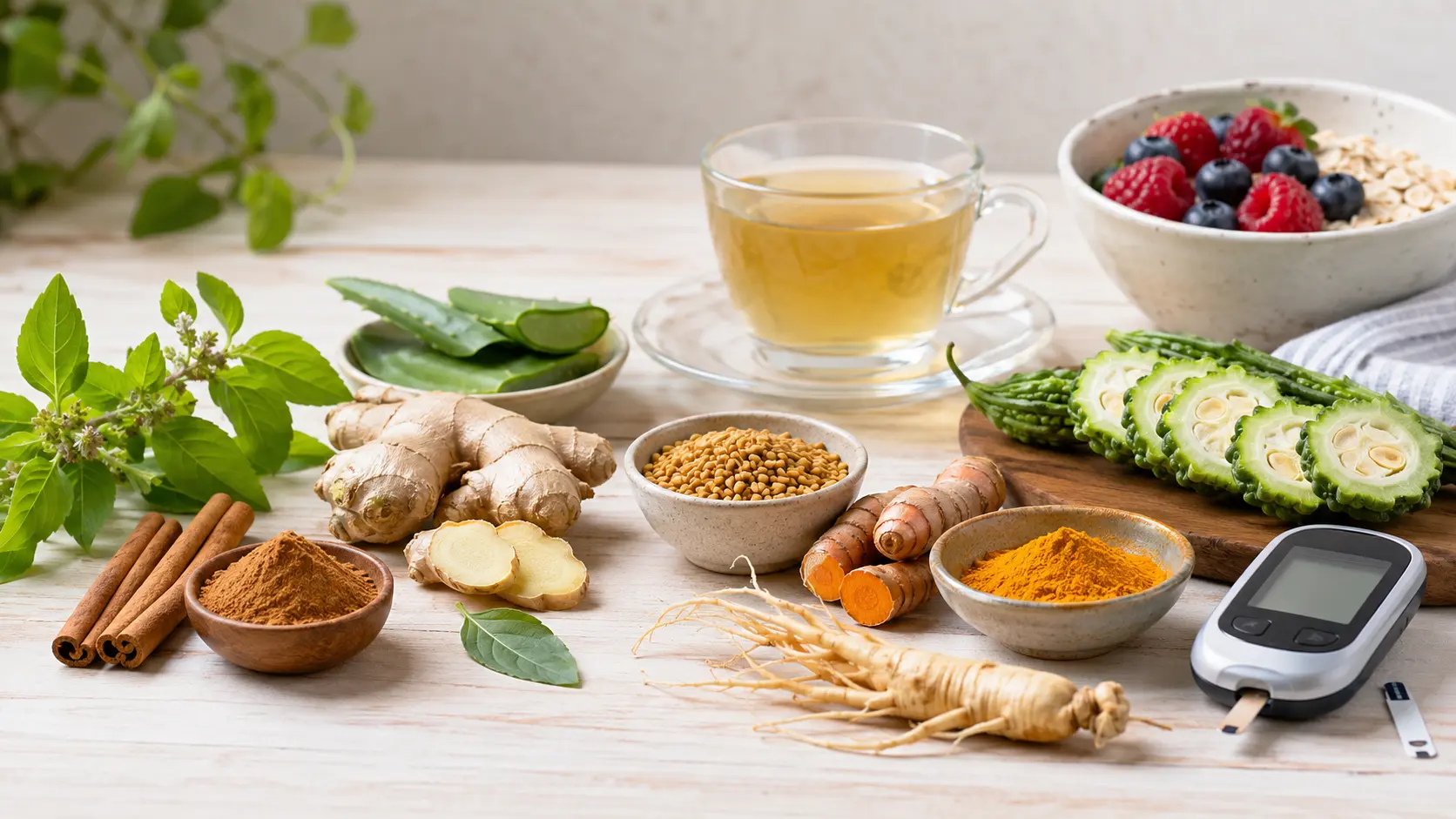
Interest in natural blood sugar support has grown rapidly, especially among people with prediabetes, type 2 diabetes, or a family history of metabolic disease.
Cinnamon capsules, bitter melon juice, berberine supplements, and herbal teas are now widely promoted as simple ways to reduce glucose levels.
Some herbs do contain biologically active compounds that may influence insulin sensitivity, carbohydrate digestion, or glucose absorption.
However, the scientific evidence varies significantly from one herb to another. Product quality, dosage, preparation method, study duration, and a person’s existing treatment can all affect the outcome.
The American Diabetes Association states that dietary supplements have not been proven to be an effective general strategy for lowering blood glucose or managing diabetes.
The National Center for Complementary and Integrative Health also notes that although cinnamon, berberine, and a few other supplements have shown possible benefits, the evidence is not strong enough to replace established diabetes care.
Herbs may have a supportive role for certain people, but they should not replace prescribed medication, glucose monitoring, physical activity, balanced nutrition, or regular medical care.
Some everyday herbs and spices may affect blood sugar—but natural does not automatically mean safe, effective, or appropriate for everyone.
Can Herbs Really Lower Blood Sugar?
Certain herbs may produce modest changes in blood glucose, but the term “lower blood sugar” needs context.
Researchers generally evaluate several different markers, including:
- Fasting blood glucose
- Blood glucose after meals
- Insulin sensitivity
- Insulin resistance
- Hemoglobin A1C
- Changes in diabetes medication requirements
A supplement that slightly improves fasting glucose does not necessarily improve A1C or prevent diabetes complications.
Likewise, a positive result from a laboratory or animal study does not prove that the same effect will occur in humans.
The form of the herb also matters. Adding a small amount of cinnamon or ginger to a meal is very different from taking a concentrated extract several times a day.
Supplements can deliver much higher amounts of active compounds and therefore carry a greater risk of side effects and medication interactions.
Some herbs are believed to work by slowing carbohydrate digestion, reducing glucose absorption in the intestine, supporting insulin sensitivity, increasing glucose uptake by cells, or supplying soluble fiber.
These mechanisms are scientifically plausible, but proposed mechanisms should not be confused with proven clinical benefits.
1. Cinnamon
Cinnamon is one of the most frequently studied herbs for blood sugar management.
It contains aromatic compounds and polyphenols that researchers have investigated for possible effects on insulin activity and glucose metabolism.
Some research reviews have found that cinnamon supplementation may modestly reduce fasting blood glucose.
However, improvements in A1C have been less consistent, and the studies differ widely in cinnamon type, dosage, duration, and participant characteristics.
NCCIH reports that reviews have found possible reductions in fasting glucose but considerable variation between studies, meaning the findings should be interpreted cautiously.
There are two main forms commonly sold in the United States:
- Cassia cinnamon, the more common and less expensive variety
- Ceylon cinnamon, sometimes called “true cinnamon”
Cassia cinnamon can contain relatively high amounts of coumarin, a naturally occurring compound that may be harmful to the liver when consumed in large quantities over time. This is particularly relevant to concentrated powders and capsules rather than occasional culinary use.
Cinnamon can be added to oatmeal, plain yogurt, coffee, roasted vegetables, or unsweetened fruit dishes. Using it as a flavoring may help reduce reliance on added sugar, but it should not be treated as a replacement for diabetes medication.
People with liver disease or those taking blood-sugar-lowering drugs should speak with a healthcare professional before using high-dose cinnamon supplements.
2. Berberine-Containing Plants
Berberine is a yellow plant compound found in several herbs, including barberry, Oregon grape, Chinese goldthread, and goldenseal.
It is usually sold as an isolated supplement rather than consumed as a culinary herb.
Among natural products marketed for metabolic health, berberine has received substantial attention. Research suggests that it may have a modest glucose-lowering effect in some people with type 2 diabetes.
However, NCCIH emphasizes that the available evidence remains limited and that stronger, well-designed studies are needed.
Berberine may influence several metabolic processes, including glucose production in the liver, insulin sensitivity, and glucose uptake. These possible actions have led to exaggerated social media descriptions such as “nature’s metformin” or “nature’s Ozempic.”
Those comparisons are misleading. Berberine has not undergone the same regulatory evaluation, manufacturing controls, safety monitoring, or clinical testing required for prescription drugs.
Common side effects include:
- Constipation
- Diarrhea
- Abdominal discomfort
- Nausea
- Gas
Berberine may also interact with many medications because it can affect enzymes and transport systems involved in drug metabolism. Combining it with diabetes medication may increase the risk of hypoglycemia.
Pregnant or breastfeeding individuals should avoid berberine unless specifically directed by a qualified clinician. It should also be used cautiously by people taking multiple prescription medications.
3. Fenugreek
Fenugreek is an herb traditionally used in South Asian, Middle Eastern, and North African cooking. Its seeds contain soluble fiber and several compounds being studied for their possible effects on glucose control.
The soluble fiber in fenugreek may slow digestion and carbohydrate absorption. This could help reduce the speed at which blood glucose rises after a meal.
Some clinical studies have reported improvements in fasting or post-meal glucose, but study quality and supplement preparation have varied considerably.
Fenugreek can be consumed as:
- Whole seeds
- Ground powder
- Tea
- Capsules
- An ingredient in curries and spice blends
Using fenugreek in food is not equivalent to consuming a concentrated supplement. Large supplemental amounts may cause gas, diarrhea, nausea, or abdominal discomfort. Some people also notice a maple syrup-like smell in their sweat or urine.
Fenugreek may intensify the effects of diabetes medications and potentially affect blood clotting. Anyone taking insulin, anticoagulants, or medications that can cause hypoglycemia should seek medical guidance before using it regularly in concentrated form.
4. Bitter Melon
Bitter melon, also called bitter gourd or Momordica charantia, is a vegetable and traditional herbal remedy used in several Asian, African, Caribbean, and Latin American cuisines.
It contains compounds that have been studied for insulin-like effects, glucose transport, and carbohydrate metabolism. Bitter melon is available as fresh produce, juice, tea, powder, and capsules.
Human studies have produced inconsistent results.
Some trials have found small changes in glucose levels, while others have not shown a clinically meaningful benefit. Differences in preparation and dosage make the research difficult to compare.
Bitter melon can also produce side effects, particularly when consumed as a concentrated juice or supplement. These may include:
- Abdominal pain
- Diarrhea
- Nausea
- Headache
- Excessively low blood sugar
The risk of hypoglycemia may increase when bitter melon is combined with insulin or oral diabetes drugs.
Pregnant individuals should avoid medicinal or concentrated bitter melon products because certain compounds have raised reproductive safety concerns. Eating bitter melon as part of a normal diet is different from using high-dose preparations as treatment.
5. American Ginseng
American ginseng, or Panax quinquefolius, is a plant native to North America. It differs chemically from Asian ginseng, even though the two are sometimes marketed for similar purposes.
Researchers have examined American ginseng for its potential effects on post-meal glucose levels and insulin activity.
Some small studies suggest that particular extracts may reduce post-meal glucose responses, but results cannot be generalized to every ginseng product.
The concentration of active substances called ginsenosides can vary substantially among species, manufacturers, growing conditions, and extraction methods.
Consequently, one ginseng product may not produce the same effect as another.
Possible adverse effects include:
- Insomnia
- Headache
- Nervousness
- Digestive discomfort
- Changes in blood pressure
Ginseng can interact with blood thinners, stimulants, immune-modifying medications, and diabetes drugs. NCCIH advises people with diabetes to consult a healthcare professional because ginseng may lower blood sugar and interact with existing treatment.
6. Aloe Vera
Aloe vera is best known as a topical product for minor skin irritation, but some oral preparations are also marketed for digestive health and glucose control.
Small studies have explored whether oral aloe gel may affect fasting glucose or A1C. The results are preliminary, and aloe products differ significantly in processing and chemical composition.
It is essential to distinguish between:
- Inner-leaf aloe gel
- Whole-leaf aloe products
- Aloe latex, found near the outer part of the leaf
Aloe latex has a strong laxative effect and may cause severe diarrhea, abdominal cramping, dehydration, and electrolyte disturbances. Prolonged or excessive use can be dangerous.
Oral aloe products may also increase the glucose-lowering effects of diabetes medication.
People with kidney disease, electrolyte disorders, digestive conditions, or multiple medications should avoid self-treatment with oral aloe.
Aloe latex should not be promoted as a home remedy for diabetes or routine blood sugar management.
7. Turmeric
Turmeric is a golden-yellow spice widely used in South Asian cooking. Its most studied component is curcumin, a group of compounds associated with turmeric’s color and many of its proposed biological effects.
Researchers have studied curcumin in relation to inflammation, oxidative stress, insulin resistance, and metabolic health. Early studies suggest potential benefits, but the evidence is not sufficient to conclude that turmeric reliably lowers blood sugar in people with diabetes.
Curcumin is also poorly absorbed by the body. Supplement manufacturers often combine it with ingredients such as black pepper extract to increase absorption. This may also increase the possibility of medication interactions.
Turmeric used in cooking is generally different from taking concentrated curcumin capsules. Supplemental doses may cause:
- Nausea
- Acid reflux
- Diarrhea
- Abdominal discomfort
People with gallstones, bile duct disorders, bleeding conditions, or anticoagulant use should discuss curcumin supplements with a clinician. Concentrated products may also affect the action of glucose-lowering medication.
Turmeric can still be a useful culinary ingredient because it adds flavor without sugar, but it should not be described as a treatment for diabetes.
8. Ginger
Ginger is used worldwide in food, tea, and traditional medicine. Its active compounds, including gingerols and shogaols, have been studied for effects on digestion, inflammation, and glucose metabolism.
Some small studies and research reviews have reported possible changes in fasting glucose, insulin resistance, or A1C. However, differences in dosage, study quality, and participant health make it difficult to draw firm conclusions.
Ginger can be included in meals through:
- Fresh grated ginger
- Unsweetened ginger tea
- Soups and stir-fries
- Marinades
- Ground ginger powder
Sweetened ginger drinks, ginger candy, and commercially bottled teas may contain enough added sugar to work against blood glucose goals. Reading the nutrition label is therefore important.
High supplemental doses may cause heartburn, stomach irritation, or diarrhea. Ginger may also affect blood clotting and potentially intensify the action of diabetes medication.
Culinary use is generally more conservative than concentrated capsules, but people taking anticoagulants or multiple glucose-lowering drugs should still discuss regular high intake with a healthcare professional.
9. Gymnema Sylvestre
Gymnema sylvestre is a climbing plant used in traditional Ayurvedic medicine. Its Hindi name is sometimes translated as “sugar destroyer,” partly because compounds in its leaves can temporarily reduce the perception of sweetness.
When gymnema contacts the tongue, it may temporarily block some sweet taste receptors. This effect has made the herb popular in products marketed for sugar cravings.
Researchers have also studied gymnema for possible effects on glucose absorption, insulin secretion, and pancreatic function. However, the available clinical research is limited, and long-term safety has not been adequately established.
Gymnema products are typically sold as capsules, extracts, powders, or tea. Because it may lower glucose, combining it with insulin or diabetes medication could produce hypoglycemia.
Potential side effects may include:
- Nausea
- Headache
- Dizziness
- Stomach discomfort
- Abnormally low blood glucose
Gymnema should not be used to reduce or discontinue prescribed medication without medical supervision.
10. Holy Basil
Holy basil, also known as tulsi or Ocimum tenuiflorum, is an herb used in Ayurvedic traditions and commonly consumed as tea.
Preliminary research has investigated its possible effects on fasting glucose, post-meal glucose, stress responses, and metabolic function. Although some early findings appear promising, the research remains too limited to establish holy basil as an effective diabetes treatment.
Holy basil can be consumed as:
- Fresh leaves
- Dried tea
- Powder
- Liquid extract
- Capsules
Concentrated products may affect blood glucose and blood clotting. They may also interact with diabetes medications, anticoagulants, or drugs used around surgery.
Pregnant individuals should avoid medicinal doses unless directed by a qualified healthcare professional. Some evidence has also raised questions about reproductive effects, although the clinical relevance remains uncertain.
For most people, occasional unsweetened tulsi tea is not equivalent to taking a concentrated extract every day.
Herbs for Blood Sugar Support at a Glance
| Herb or Compound | Current Evidence | Common Forms | Main Safety Concern |
|---|---|---|---|
| Cinnamon | Mixed | Spice, powder, capsule | Coumarin exposure and liver concerns |
| Berberine | Promising but limited | Capsule, extract | Extensive medication interactions |
| Fenugreek | Limited to moderate | Seeds, powder, capsule | Digestive effects and hypoglycemia |
| Bitter melon | Mixed | Food, juice, capsule | Excessive glucose lowering |
| American ginseng | Limited | Tea, capsule, extract | Drug interactions and insomnia |
| Aloe vera | Preliminary | Oral gel or processed extract | Diarrhea and electrolyte disturbances |
| Turmeric | Preliminary | Spice, curcumin capsule | Bleeding and gallbladder concerns |
| Ginger | Preliminary | Food, tea, capsule | Heartburn and bleeding interactions |
| Gymnema | Preliminary | Tea, extract, capsule | Hypoglycemia |
| Holy basil | Preliminary | Tea, powder, capsule | Blood sugar and clotting effects |
Terms such as “mixed,” “limited,” and “preliminary” are more accurate than describing any of these herbs as proven remedies.
Herbs vs. Supplements: Why the Form Matters
A herb used in cooking and a standardized supplement made from the same plant are not interchangeable.
A recipe may contain a fraction of a teaspoon of an herb, while a capsule may contain a concentrated extract equivalent to several grams of plant material.
Some extracts are designed to increase the concentration or absorption of specific active compounds.
Supplement formulations can also differ in:
- Plant species
- Plant part used
- Extraction method
- Active-compound concentration
- Added ingredients
- Contamination risk
- Manufacturing consistency
In the United States, dietary supplements are regulated differently from prescription drugs. They are not evaluated and approved by the FDA for effectiveness before being sold as diabetes treatments.
The FDA has warned consumers about illegally marketed diabetes products and has found some supplements contaminated with undeclared prescription ingredients, including glucose-lowering drugs.
Independent quality testing may help verify that a product contains the listed ingredient and is free from certain contaminants. However, a quality seal does not prove that the product lowers blood sugar or improves diabetes outcomes.
Be particularly cautious with products that promise to:
- Cure diabetes
- Reverse diabetes quickly
- Replace insulin
- Work better than prescription drugs
- Lower glucose immediately
- Eliminate the need for diet or exercise
These claims are medically irresponsible and may encourage people to delay necessary treatment.
Who Should Avoid Blood-Sugar-Lowering Herbs Without Medical Advice?
Professional guidance is particularly important for:
- People who use insulin
- People taking sulfonylureas or other drugs that can cause hypoglycemia
- Pregnant or breastfeeding individuals
- Children and adolescents
- People with kidney disease
- People with liver disease
- People taking anticoagulants
- Anyone preparing for surgery
- People with recurrent hypoglycemia
- Older adults taking several medications
- Anyone considering multiple herbal supplements at the same time
The risk does not always come from the herb alone.
Problems may arise when several products have similar effects or when an herb changes how the body absorbs, breaks down, or eliminates a prescription drug.
Signs Your Blood Sugar May Be Too Low
Herbs that affect glucose may increase the risk of hypoglycemia when combined with insulin or certain medications.
Symptoms often develop quickly and may include:
- Shaking
- Sweating
- Sudden hunger
- Dizziness
- Weakness
- Anxiety or nervousness
- Rapid or pounding heartbeat
- Headache
- Irritability
- Confusion
- Blurred vision
- Difficulty thinking clearly
Severe hypoglycemia may cause seizures, loss of consciousness, or an inability to eat or drink safely.
These symptoms require immediate assistance. MedlinePlus identifies shaking, sweating, hunger, dizziness, confusion, weakness, vision changes, and seizures among the recognized signs of low blood glucose.
Anyone using glucose-lowering medication should follow the hypoglycemia treatment plan provided by their healthcare team.
How to Try an Herb More Safely
Talk to a Healthcare Professional First
Consult a physician, registered dietitian, pharmacist, or qualified diabetes educator before adding a concentrated herbal product.
A pharmacist can be especially helpful for identifying interactions between supplements and prescriptions.
Bring the exact product label to the appointment. The clinician needs to see the ingredients, dosage, extract concentration, and other substances included in the formulation.
Introduce Only One Product at a Time
Starting several herbs at once makes it difficult to determine which one caused a side effect or glucose change.
Introduce one product only after reviewing it with a professional. Avoid increasing the dose simply because results are not immediate.
Monitor Blood Glucose Consistently
People who already monitor their glucose should track readings according to their established healthcare plan.
Useful information may include:
- Fasting glucose
- Pre-meal readings
- Post-meal readings
- Symptoms of hypoglycemia
- Changes in appetite or digestion
- Medication timing
- Supplement dosage and timing
A single unusual reading does not prove that an herb worked. Blood glucose can also change because of food, activity, illness, sleep, stress, hydration, medication timing, or measurement variation.
Choose Clearly Labeled Products
Look for products that identify:
- The exact plant species
- The plant part used
- The amount per serving
- Extract concentration or standardization
- All inactive ingredients
- Manufacturer contact information
- Independent quality testing
Avoid proprietary blends that do not disclose individual ingredient amounts.
Be cautious when a product combines several glucose-lowering herbs because their effects may accumulate.
Stop and Seek Advice When Concerning Symptoms Occur
Discontinue the supplement and contact a healthcare professional if you develop:
- Repeated low glucose readings
- Severe nausea, vomiting, or diarrhea
- Unusual bleeding or bruising
- Yellowing of the skin or eyes
- Dark urine
- Severe abdominal pain
- Rash, swelling, or breathing difficulty
- Confusion, fainting, or seizures
Emergency symptoms should be treated as medical emergencies, not as ordinary supplement side effects.
What Works Better Than Herbs Alone?
Herbs are unlikely to compensate for an ineffective or inconsistent diabetes-management plan.
The most reliable approach is individualized care based on established interventions, including nutrition, physical activity, glucose monitoring, medication when prescribed, sleep, and weight management when clinically appropriate.
Manage Carbohydrate Quality and Portions
Carbohydrates have a direct effect on blood glucose.
The ADA identifies starch, sugar, and fiber as the three main forms of carbohydrate and emphasizes understanding total carbohydrate when planning meals.
Blood-sugar-friendly eating patterns commonly emphasize:
- Non-starchy vegetables
- Legumes
- Whole grains in appropriate portions
- Unsweetened dairy or alternatives
- Lean protein
- Nuts and seeds
- Whole fruit instead of juice
- Foods rich in fiber
- Limited sugar-sweetened beverages
The appropriate amount of carbohydrate differs between individuals and may depend on medication, activity, body size, glucose targets, and personal preferences.
Exercise Regularly
Physical activity helps muscles use glucose and can improve insulin sensitivity. Both aerobic activity and resistance training may contribute to long-term glucose management.
People taking insulin or drugs that can cause hypoglycemia may need individualized guidance about exercise timing, carbohydrate intake, and medication adjustment.
Prioritize Sleep and Stress Management
Poor sleep and chronic stress can affect appetite, insulin sensitivity, food choices, and glucose regulation.
Improving sleep consistency and using practical stress-management strategies can support overall metabolic health.
Take Prescribed Medication Consistently
Herbs should not be used as a reason to skip, reduce, or discontinue medication.
Medication changes should be based on glucose data and made with the prescribing clinician.
Abruptly stopping insulin or other diabetes treatment can cause severe hyperglycemia and potentially life-threatening complications.
Keep Up With Routine Medical Care
Blood sugar is only one part of diabetes management. Regular care may include monitoring:
- A1C
- Blood pressure
- Cholesterol
- Kidney function
- Eye health
- Foot health
- Medication tolerance
- Cardiovascular risk
A supplement that produces a small change in glucose is not necessarily improving these broader health outcomes.
The Bottom Line
Cinnamon, berberine, fenugreek, bitter melon, American ginseng, aloe vera, turmeric, ginger, gymnema, and holy basil have all been studied for possible effects on blood sugar.
Some show preliminary or mixed benefits, but none should be presented as a cure, a guaranteed glucose-lowering treatment, or a substitute for prescribed diabetes care.
The American Diabetes Association and NCCIH both caution that current supplement evidence is not strong enough to support replacing established treatment strategies.
Culinary use is generally different from taking a concentrated extract. Supplements may cause side effects, interact with medication, or lower blood glucose too far—especially when combined with insulin or other diabetes drugs.
The most appropriate herb is not necessarily the one receiving the most attention online. It is one that has been evaluated for safety, product quality, medication compatibility, and relevance to an individual treatment plan.
Natural products can support healthy habits, but safe blood sugar management still depends on reliable evidence, consistent monitoring, and qualified medical guidance.
Medical disclaimer: This article is for general educational purposes and is not a substitute for individualized medical advice, diagnosis, or treatment. Consult a qualified healthcare professional before using herbal supplements, particularly if you have diabetes, take medication, are pregnant or breastfeeding, or have kidney or liver disease.