Hot flashes. Night sweats. Mood swings that hit out of nowhere. If you’re in perimenopause or menopause, you already know these symptoms are real, not “all in your head”.
The good news: several natural approaches have real research behind them.
The honest news: not every remedy on the internet is backed by solid evidence, and some carry real risks.
This guide walks through what’s actually been studied, what the research says, and when it’s time to loop in your doctor.
What Happens to Your Body During Menopause
Menopause is the point when your period stops for good, usually confirmed after 12 months without one.
The years leading up to it, when hormones start fluctuating and periods get irregular, are called perimenopause. The years after are postmenopause.
In the United States, menopause happens at an average age of around 51 to 52.
Hot flashes are the most common symptom: most women who get them have one daily, each lasting one to five minutes, and for many the symptoms continue for more than seven years.
FDA Commissioner Dr. Marty Makary has publicly stated that menopause symptoms affect more than 80% of women and last an average of eight years, based on remarks reported by NPR.
Common symptoms include hot flashes, night sweats, sleep disruption, mood changes, vaginal dryness, and brain fog.
The drop in estrogen also raises long-term risks worth knowing about: bone density loss (which raises fracture risk) and increased cardiovascular risk, according to Mayo Clinic Health System.
Diet-Based Natural Remedies
Add More Phytoestrogen-Rich Foods
Phytoestrogens are plant compounds that mimic estrogen loosely in the body.
Soy foods, edamame, tofu, tempeh, and flaxseed are the most studied sources.
According to NCCIH, soy isoflavone supplements or soy protein may help reduce the frequency and severity of hot flashes, though the effect tends to be small.
One caveat worth knowing: the long-term safety of phytoestrogens like soy, red clover, and flaxseed hasn’t been firmly established, so it’s worth mentioning to your doctor if you’re using them regularly.
Support Your Bones with Calcium and Vitamin D
Because bone loss speeds up in the years around menopause, getting enough calcium and vitamin D, through food, sunlight, or supplements as advised by your doctor, is part of a solid long-term strategy.
This is a conversation worth having with your healthcare provider, since the right amount depends on your individual bone health and other medications.
Watch Common Trigger Foods
Many women notice that hot and spicy foods, caffeine, and alcohol seem to trigger hot flashes, according to Mayo Clinic.
This varies person to person, so it’s worth tracking your own patterns rather than assuming every trigger applies to you.
Eat a Balanced, Whole-Food Diet
A diet that limits saturated fat, added sugar, and heavily processed oils supports overall health during this transition, per Mayo Clinic Health System.
It won’t erase every symptom, but it supports the cardiovascular and metabolic health that becomes more important after menopause.
Herbal & Supplement Remedies
This is the section where marketing often outpaces the science.
Here’s what the research actually shows for each one, including where it falls short.
Black Cohosh
Black cohosh is one of the most studied herbs for menopause, and the results are genuinely mixed.
Most of the research has focused on a specific single extract called Remifemin, and results with other black cohosh products have been inconsistent, according to NCCIH.
A 2015 set of guidelines found a lack of consistent evidence for benefit, while a 2017 review suggested that certain black cohosh extracts approved for use in Europe may reduce some menopause symptoms.
Safety note: black cohosh generally causes only mild side effects, but rare cases of serious liver damage have been reported in people using commercial black cohosh products, and it’s not clear whether black cohosh itself was the cause.
People with liver conditions should talk to a doctor before trying it, and it may not be safe for those with hormone-sensitive conditions like breast cancer, per NCCIH.
Red Clover
Red clover also contains isoflavones, similar to soy.
Studies on its effects on hot flashes and cholesterol levels have produced inconsistent results, and research on its impact on bone density in menopausal women is limited and mixed, according to NCCIH.
Soy Isoflavone Supplements
Separate from whole soy foods, concentrated soy isoflavone supplements have shown a possible, though modest, benefit for bone health in postmenopausal women, though the evidence isn’t entirely consistent, per NCCIH.
DHEA
DHEA is a hormone precursor sometimes marketed for menopause symptoms.
NCCIH notes there’s little evidence it actually helps, and because it converts into other hormones in the body, it carries risks that aren’t fully understood. It’s not a remedy to try without medical guidance.
Red Flags: Kava and Dong Quai
There’s no conclusive evidence that kava or dong quai reduce hot flashes, according to NCCIH.
Kava in particular has been linked to liver toxicity concerns in some regulatory reviews, so it’s not one to reach for casually.
A quick safety note before trying anything in this section: natural products can interact with medications and with each other, and their long-term safety is often unknown.
Always tell your doctor and pharmacist about every supplement you’re taking; this keeps your care coordinated and safe, per NCCIH.
Lifestyle & Mind-Body Remedies
This category has some of the most encouraging, and most honest, research of any menopause remedy category.
But it also comes with an important nuance: newer clinical guidelines have found less evidence than once assumed for some classic lifestyle advice, specifically regarding hot flashes.
Mind-Body Practices: Tai Chi, Meditation, and Yoga
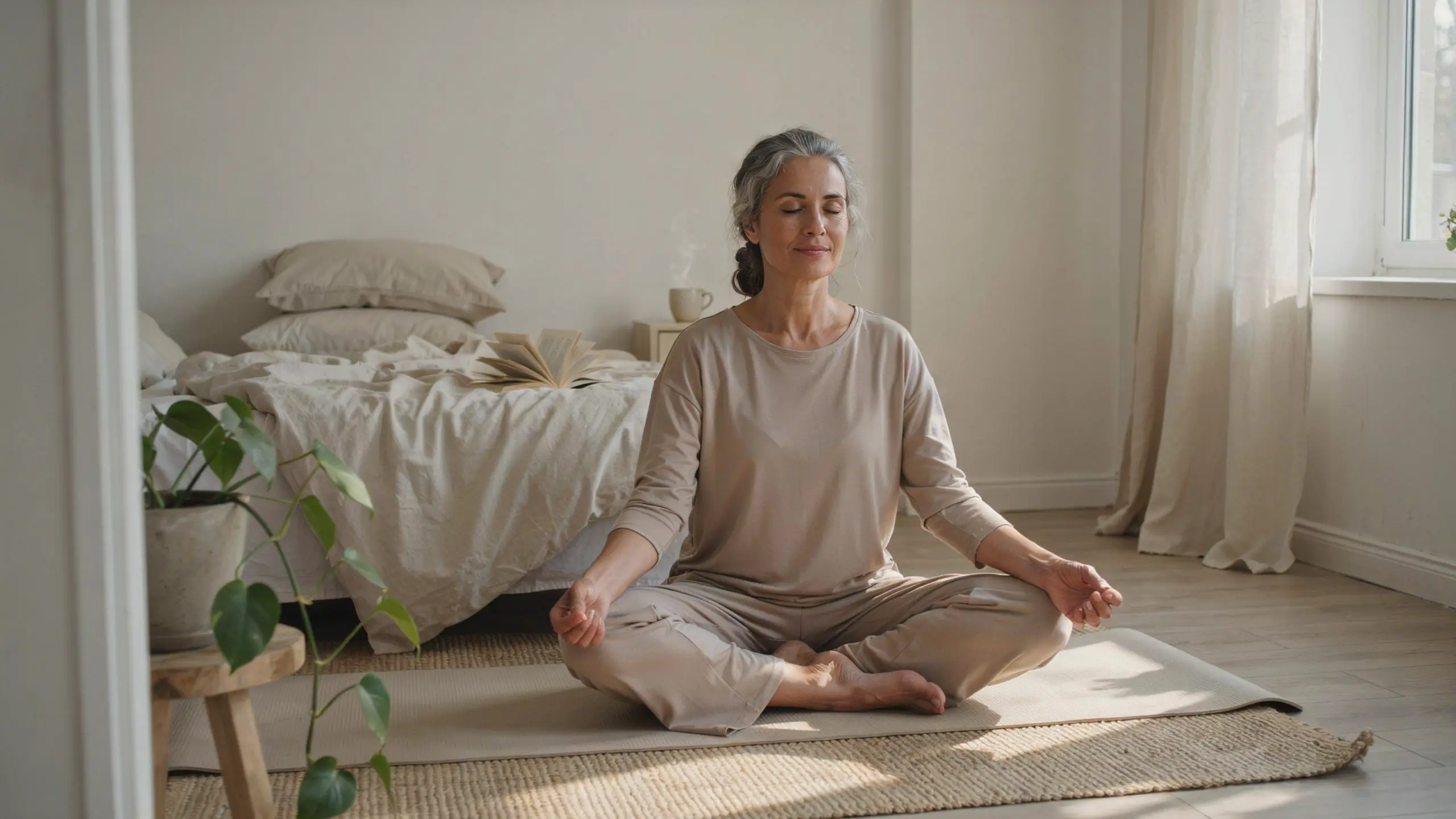
NCCIH-supported research on mind-body therapies found that tai chi and meditation-based programs may help reduce the frequency and intensity of hot flashes, along with sleep and mood disturbances, stress, and joint pain.
That’s a meaningfully broader benefit than most herbal supplements can claim.
Hypnotherapy
There’s evidence that clinical hypnotherapy can help some women manage hot flashes, according to NCCIH.
A 2025 scoping review comparing hypnosis and cognitive behavioral therapy actually found that hypnosis outperformed CBT specifically for reducing the frequency and severity of hot flashes, while CBT was stronger for reducing how much hot flashes disrupt daily life.
Acupuncture
Mayo Clinic physicians describe acupuncture as an alternative worth considering, noting it may reduce the frequency and severity of hot flashes, and it’s often recommended for women who can’t use hormone therapy, such as those with a history of breast cancer or blood clots.
Cognitive Behavioral Therapy (CBT)
CBT is a brief, structured therapy, typically four to six sessions, with real evidence behind it.
Research reviewed on PubMed shows CBT effectively reduces the impact of hot flashes and night sweats on daily life, improves sleep, and benefits overall quality of life, even in cases where the raw frequency of hot flashes doesn’t drop as much.
The North American Menopause Society has recommended the MENOS1 and MENOS2 CBT protocols for treating vasomotor symptoms, and CBT is also recommended by the UK’s NICE guidelines for anxiety and depression during the menopause transition.
A 2025 systematic review covering 16 studies and 910 women reinforced that CBT meaningfully improves quality of life, alongside related approaches like mindfulness-based cognitive therapy.
Sleep Hygiene
Mayo Clinic’s Dr. Stephanie Faubion, medical director of The Menopause Society, recommends a few concrete habits for better sleep during menopause: avoid exercising right before bed, build a relaxing bedtime routine, keep electronics out of the bedroom, and stick to a consistent sleep schedule.
Mayo Clinic Health System also recommends aiming for seven to nine hours of sleep and avoiding caffeine and late-day exercise.
The Honest Caveat on Classic Lifestyle Advice
Here’s the nuance worth knowing: newer nonhormonal treatment guidelines highlighted by Mayo Clinic found there isn’t strong evidence that classic lifestyle changes, like cooling techniques or avoiding trigger foods, actually relieve hot flashes on their own, and evidence for yoga, general exercise, and diet changes improving hot flashes specifically is limited or weak.
Weight loss, however, may help improve hot-flash-related symptoms for some women.
This doesn’t mean lifestyle habits are pointless; they support overall health, sleep, mood, and stress levels regardless; it just means they shouldn’t be oversold as a guaranteed hot-flash fix.
When Natural Remedies Aren’t Enough, Talking to Your Doctor
If natural approaches aren’t giving you enough relief, hormone therapy (also called menopausal hormone therapy, MHT, or HRT) remains the most effective treatment for moderate-to-severe hot flashes and related symptoms, and it’s also approved to help prevent bone loss.
This is an area that changed significantly and recently: in November 2025, the FDA requested labeling changes for menopausal hormone therapy products, moving to remove boxed warning language about cardiovascular disease, breast cancer, and probable dementia risk from most products, while keeping an endometrial cancer warning for systemic estrogen-only therapy.
The agency cited randomized study data showing that women who start hormone therapy within 10 years of menopause onset, or before age 60, saw a reduction in all-cause mortality and fractures.
The Menopause Society publicly supported removing the warning specifically from low-dose vaginal estrogen products, while noting that systemic estrogen still carries risks that should be reviewed individually with each patient.
Some medical groups, including ACOG, raised procedural concerns about how quickly the change was made, even while broadly supporting more nuanced labeling.
The bottom line: this is a fast-evolving area of guidance.
If you’re considering hormone therapy, talk to your doctor about your personal risk factors, including any history of blood clots, breast cancer, or heart disease, rather than relying on general headlines.
Also see a doctor promptly if you experience any bleeding after menopause has been confirmed, since that always warrants evaluation.
Key Takeaways
- Start with what’s low-risk and broadly beneficial: sleep hygiene, mind-body practices like meditation and tai chi, and CBT have some of the best-supported evidence for improving quality of life during menopause, even beyond hot flashes.
- Approach herbal supplements with real caution. Evidence for black cohosh, red clover, and similar herbs is mixed at best, and some carry genuine safety concerns, especially for anyone with liver issues or a hormone-sensitive health history.
- Don’t oversell diet and lifestyle changes for hot flashes specifically; they support your overall health, but current guidelines don’t show strong evidence they eliminate hot flashes on their own.
- Hormone therapy is a legitimate, evolving option for moderate-to-severe symptoms. The regulatory landscape around it changed substantially in late 2025, so have an updated conversation with your doctor rather than relying on outdated warnings.
- Always loop in your doctor or pharmacist before starting any new supplement, especially if you take other medications.
References
- National Center for Complementary and Integrative Health (NCCIH). “Menopausal Symptoms and Complementary Health Approaches.” NCCIH. https://www.nccih.nih.gov/health/providers/digest/menopausal-symptoms-and-complementary-health-approaches
- National Center for Complementary and Integrative Health (NCCIH). “4 Things To Know About Menopausal Symptoms and Complementary Health Practices.” NCCIH. https://www.nccih.nih.gov/health/tips/things-to-know-about-menopausal-symptoms-and-complementary-health-practices
- National Center for Complementary and Integrative Health (NCCIH). “Women’s Health and Complementary Approaches.” NCCIH. https://www.nccih.nih.gov/health/womens-health-and-complementary-approaches
- National Center for Complementary and Integrative Health (NCCIH). “Black Cohosh: Usefulness and Safety.” NCCIH. https://www.nccih.nih.gov/health/black-cohosh
- National Center for Complementary and Integrative Health (NCCIH). “Menopausal Symptoms: In Depth.” NCCIH. https://www.nccih.nih.gov/health/menopausal-symptoms-in-depth
- National Cancer Institute (NCI). “Black Cohosh (PDQ) – Patient Version.” National Cancer Institute. https://www.cancer.gov/about-cancer/treatment/cam/patient/black-cohosh-pdq
- U.S. Food and Drug Administration (FDA). “FDA Requests Labeling Changes Related to Safety Information to Clarify the Benefit/Risk Considerations for Menopausal Hormone Therapies.” November 10, 2025. https://www.fda.gov/drugs/drug-alerts-and-statements/fda-requests-labeling-changes-related-safety-information-clarify-benefitrisk-considerations
- U.S. Food and Drug Administration (FDA). “FDA Approves Labeling Changes to Menopausal Hormone Therapy Products.” FDA. https://www.fda.gov/news-events/press-announcements/fda-approves-labeling-changes-menopausal-hormone-therapy-products
- NPR. “Watch: FDA’s Marty Makary on hormone replacement therapy for menopause.” November 11, 2025. https://www.npr.org/sections/shots-health-news/2025/11/10/nx-s1-5604283/fda-menopause-hormone-therapy
- CNN. “HRT: ‘Black box’ safety warning to be removed from hormone therapy for menopause.” November 10, 2025. https://www.cnn.com/2025/11/10/health/hormone-therapy-menopause-fda-warning-wellness
- The Menopause Society. “The Menopause Society Comments on the FDA Announcement on Hormone Therapy.” November 14, 2025. https://menopause.org/press-releases/the-menopause-society-comments-on-the-fda-announcement-on-hormone-therapy
- Mayo Clinic. “Hot flashes – Diagnosis & treatment.” https://www.mayoclinic.org/diseases-conditions/hot-flashes/diagnosis-treatment/drc-20352795
- Mayo Clinic. “Hot flashes – Symptoms & causes.” https://www.mayoclinic.org/diseases-conditions/hot-flashes/symptoms-causes/syc-20352790
- Mayo Clinic Health System. “Menopause: A natural part of aging.” https://www.mayoclinichealthsystem.org/hometown-health/speaking-of-health/menopause-ensuring-a-tranquil-transition
- Mayo Clinic News Network. “What’s the best nonhormonal therapy for hot flashes? Experts release new menopause therapy guidelines.” June 13, 2023. https://newsnetwork.mayoclinic.org/discussion/whats-the-best-nonhormonal-therapy-for-hot-flashes-experts-release-new-menopause-therapy-guidelines/
- Mayo Clinic Press. “How to get relief from hot flashes.” April 17, 2024. https://mcpress.mayoclinic.org/women-health/how-to-get-relief-from-hot-flashes/
- Mayo Clinic News Network. “Mayo Clinic Minute: Managing sleep during menopause.” November 14, 2023. https://newsnetwork.mayoclinic.org/discussion/mayo-clinic-minute-managing-sleep-during-menopause/
- Mayo Clinic News Network. “Mayo Clinic Minute: Help with hot flashes due to menopause.” March 7, 2023. https://newsnetwork.mayoclinic.org/discussion/mayo-clinic-minute-help-with-hot-flashes-due-to-menopause/
- Ayers, B., Smith, M., Hellier, J., et al. “Cognitive behavioral therapy for menopausal symptoms.” PubMed. https://pubmed.ncbi.nlm.nih.gov/32627593/
- Muñiz, V., Padilla, V.J., Alldredge, C.T., Elkins, G. “Clinical Hypnosis and Cognitive Behavioral Therapy for Hot Flashes: A Scoping Review.” Women’s Health Reports, published January 8, 2025. DOI: 10.1089/whr.2024.0144. https://www.ncbi.nlm.nih.gov/pmc/articles/PMC11773179/
- “Cognitive behavioural therapy for menopausal symptoms: a systematic review of efficacy in improving quality of life.” PMC. https://pmc.ncbi.nlm.nih.gov/articles/PMC12853693/
This article is for informational purposes only and is not a substitute for professional medical advice. Talk to your doctor before starting any new supplement, herbal remedy, or treatment for menopause symptoms, especially if you take other medications or have a history of liver disease, blood clots, or hormone-sensitive cancer.