That burning feeling creeping up your chest after dinner. Most people who’ve had it end up Googling “how to stop heartburn fast” at 11 pm, landing on ten different articles that all say something slightly different.
Acid reflux hits roughly one in five Americans regularly, and a lot of the advice floating around online has never actually been tested.
17 remedies, below, with the honest version of what’s behind each one, real research for some, mostly tradition and anecdote for others.
1. Elevate the head of your bed

If nighttime heartburn is your worst enemy, gravity is your best friend.
Raising the head of your bed by 6–8 inches, using sturdy bed risers, not just an extra pillow, helps keep stomach acid where it belongs while you sleep.
This is one of the few remedies that doctors, including those at Mayo Clinic, consistently recommend for reducing nighttime reflux.
It won’t fix daytime symptoms, but for evening flare-ups, it’s a simple structural fix that works while you rest.
2. Sleep on your left side

Turns out your sleep position matters more than you’d think.
Because of your stomach’s anatomical position, lying on your left side keeps the junction between your stomach and esophagus above the level of stomach acid, making it harder for acid to creep back up.
It’s a small habit shift with real backing from gastroenterology guidance, and it costs nothing to try tonight.
3. Wait 2–3 hours before lying down after eating

It’s tempting to collapse onto the couch right after dinner, but that’s exactly when reflux is most likely to strike.
Giving your stomach 2–3 hours to digest before you lie flat lets gravity help move food through your system instead of pooling near your esophagus.
This is a straightforward, well-supported habit: no supplements, no cost, just timing.
4. Eat smaller, slower meals & chew thoroughly
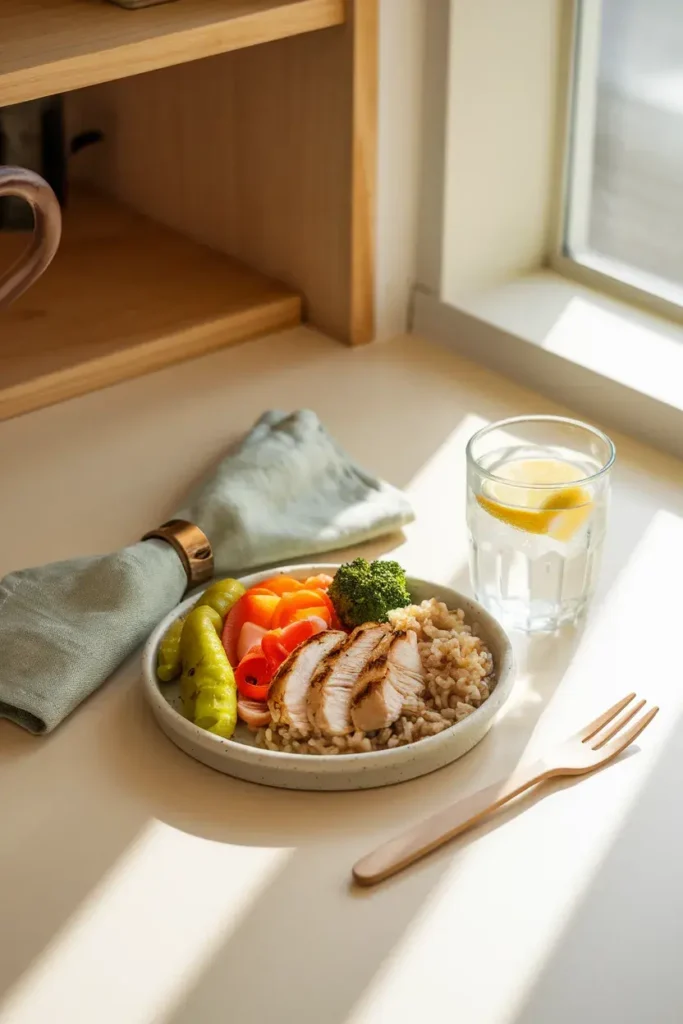
Large meals stretch your stomach and put pressure on the valve that’s supposed to keep acid down.
Eating smaller portions, more slowly, and chewing thoroughly reduces that pressure and makes your digestive system’s job easier.
It’s not glamorous, but it’s one of the most consistently recommended lifestyle changes for reflux, and it pairs well with almost every other remedy on this list.
5. Maintain a healthy weight

Extra weight around the midsection puts pressure on your stomach, which can push acid upward; this is one of the most well-documented links in reflux research.
This isn’t about a number on a scale or a strict diet; it’s about reducing physical pressure on your digestive system over time.
Gentle, sustainable movement (a daily walk, stretching) tends to help more long-term than aggressive weight-loss plans, which can sometimes worsen reflux symptoms if they involve very large or very fatty “cheat” meals.
6. Wear loose-fitting clothing around the waist

Tight waistbands, belts, and shapewear physically squeeze your stomach, pushing acid upward; it’s a mechanical trigger, not a dietary one.
Swapping to relaxed-fit clothing, especially around mealtimes, removes that pressure entirely.
It’s one of the simplest changes on this list because it requires no habit-building, just a wardrobe choice.
7. Quit smoking

Smoking weakens the lower esophageal sphincter, the valve that’s supposed to keep stomach acid from traveling back up, which makes reflux more frequent and more severe over time.
This is one of the more well-established links in reflux research, not just a general health platitude.
Quitting is genuinely hard, and if you’re a smoker looking to stop, talking to a doctor about cessation support (rather than going cold turkey alone) tends to have better long-term success.
8. Identify & avoid your personal trigger foods
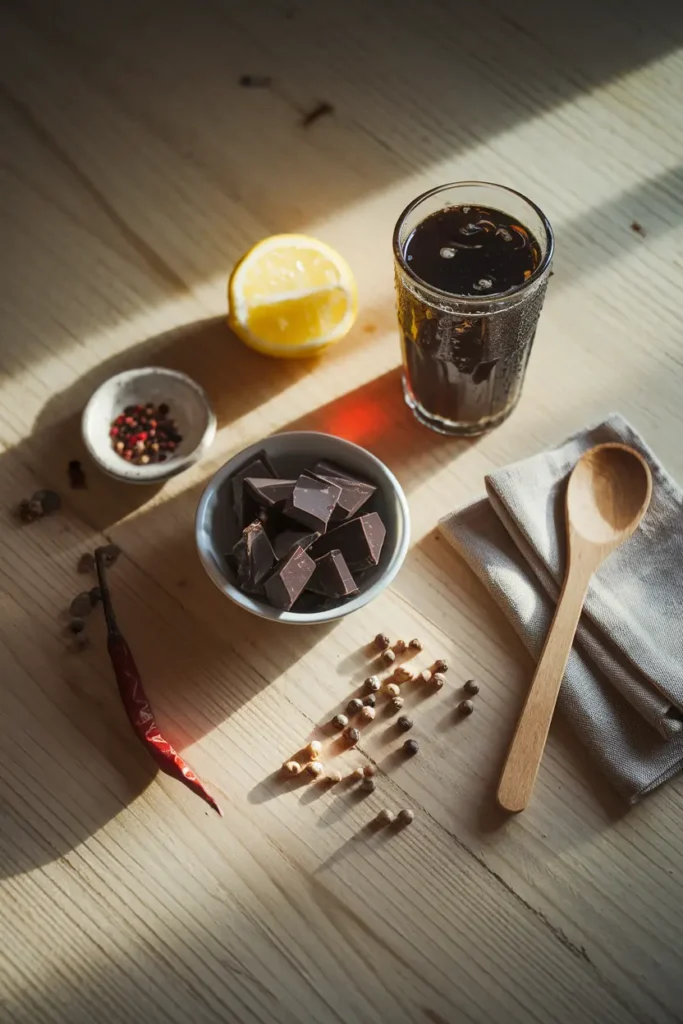
Reflux triggers aren’t universal, but there’s a well-documented shortlist worth watching: alcohol, caffeine, carbonated drinks, fatty or fried foods, spicy food, chocolate, and even peppermint.
Not everyone reacts to all of them, so a short food journal for a week or two can help you spot your own personal pattern instead of cutting out foods you don’t actually need to avoid.
This is one of the more evidence-backed items on this list, straight from gastroenterology guidance.
9. Chew sugar-free gum after meals
This one sounds almost too simple to work, but it’s backed by actual clinical research: chewing gum increases saliva production, and saliva is naturally alkaline; it helps neutralize acid and clear it from your esophagus faster.
Studies specifically found that chewing sugar-free gum for 20–30 minutes after meals measurably reduced acid exposure time.
Stick to sugar-free versions to protect your teeth, and skip it if you’re prone to jaw discomfort or TMJ issues.
10. Practice diaphragmatic (belly) breathing after meals

Shallow chest breathing keeps your diaphragm tense, which can add pressure right where you don’t want it, near your stomach and esophagus.
Slow, deep belly breathing for a few minutes after eating helps relax that pressure and has shown promise as a supportive practice for reflux symptoms, though it works best alongside other changes rather than as a stand-alone fix.
It’s also just… calming, which matters, since stress itself can worsen reflux.
11. Sip baking soda + water for occasional relief
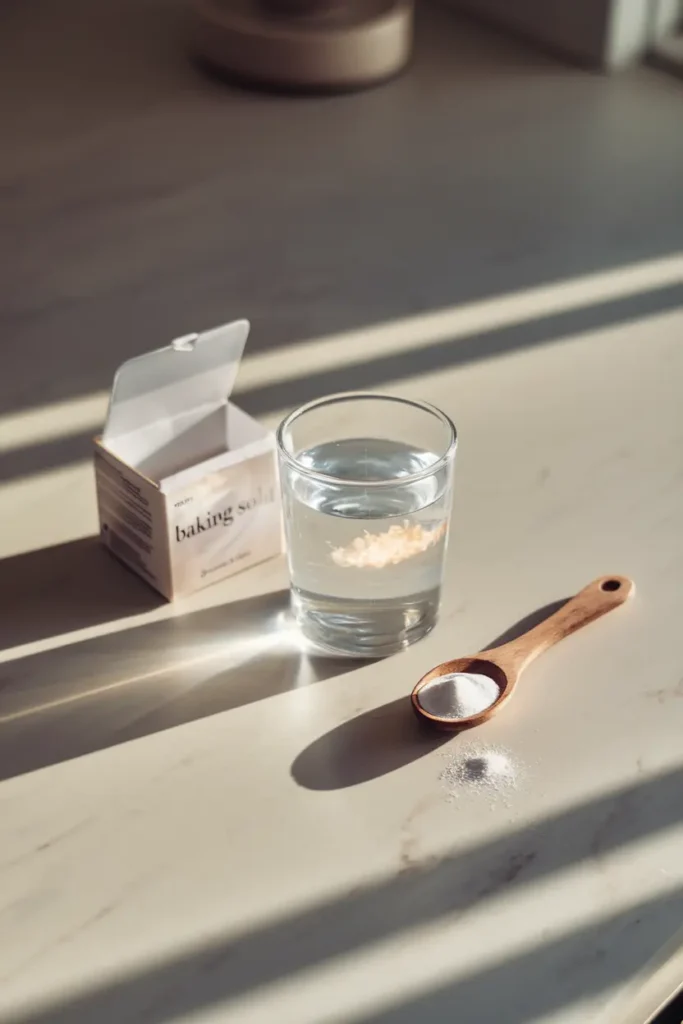
Baking soda is a genuine chemistry-class fix; it neutralizes stomach acid on contact, which is why it can bring fast relief when heartburn strikes out of nowhere.
But this one comes with real limits: it’s meant for occasional use only (no more than two weeks at a stretch), and it’s not a fit for everyone.
Skip it if you have high blood pressure, kidney or heart conditions, are pregnant, or are treating a young child; the sodium content is higher than it looks.
Dissolve about ½ teaspoon in a full glass of water and sip slowly; reaching for it multiple times a week is a sign to talk to a doctor instead of reaching for the box again.
12. Try purified/decolorized aloe vera juice
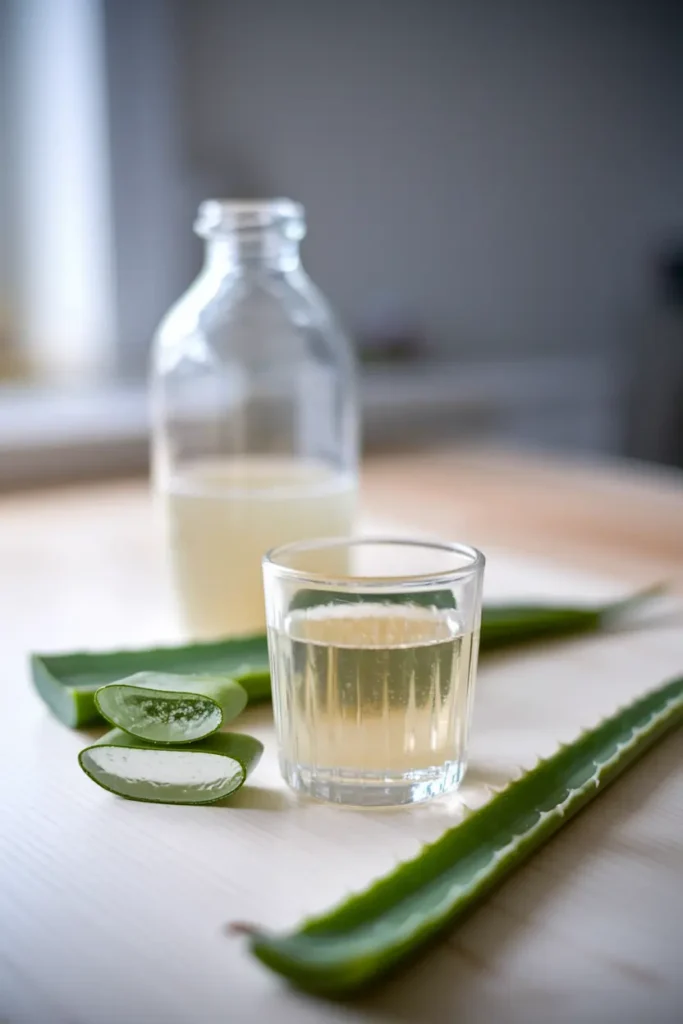
Aloe vera’s reputation for soothing irritation isn’t just folklore here; a small clinical trial found that purified aloe vera juice eased common reflux symptoms about as well as some standard treatments, with a good safety profile.
The key word is purified: you want a decolorized, inner-leaf product made for internal use, not raw aloe gel meant for skin.
Start with a small amount, since too much can have a laxative effect, and check with a doctor first if you’re pregnant.
13. Try DGL (deglycyrrhizinated licorice) chewables

DGL is licorice root with the compound that raises blood pressure removed, which is exactly why it’s the version worth knowing about, not regular licorice candy or tea.
The theory (and some smaller studies) suggest it may help by encouraging the stomach lining to produce more protective mucus, though larger, high-quality research is still limited.
If you try it, look specifically for “DGL” on the label, take it away from other medications by an hour or two, and skip it if you’re pregnant.
14. Sip ginger tea (weak brew)

Ginger has centuries of tradition behind it for settling an upset stomach, and it’s genuinely useful for nausea, but the research specifically on acid reflux is mixed, and a small number of people actually find ginger makes their reflux worse rather than better.
If you want to try it, keep it weak (a thin slice steeped in hot water, not a strong concentrated brew) and pay attention to how your body responds.
If it’s not helping after a week or so, it’s not the remedy for you, and that’s fine.
15. Sip chamomile tea before bed

Chamomile’s calming reputation is well earned for sleep and general stress, and since stress can worsen reflux symptoms, an evening cup may help indirectly, but there isn’t clinical research specifically testing chamomile against reflux itself.
Think of it as a soothing bedtime ritual rather than a targeted treatment.
Skip it if you’re allergic to ragweed, daisies, or related plants, since chamomile is part of the same family.
16. Try slippery elm or marshmallow root tea

Both of these herbs work on the same principle: they contain mucilage, a gel-like substance that forms a soothing, protective coating over irritated tissue when mixed with water.
It’s a plausible mechanism with a long history of traditional use, though rigorous clinical studies on reflux specifically are still thin; a Cochrane review noted the research base here is sparse.
If you try either as a tea 20–30 minutes before meals, take it a couple of hours apart from any medications, since the coating effect can slow how your body absorbs them.
17. Try diluted apple cider vinegar (1 tsp in water)
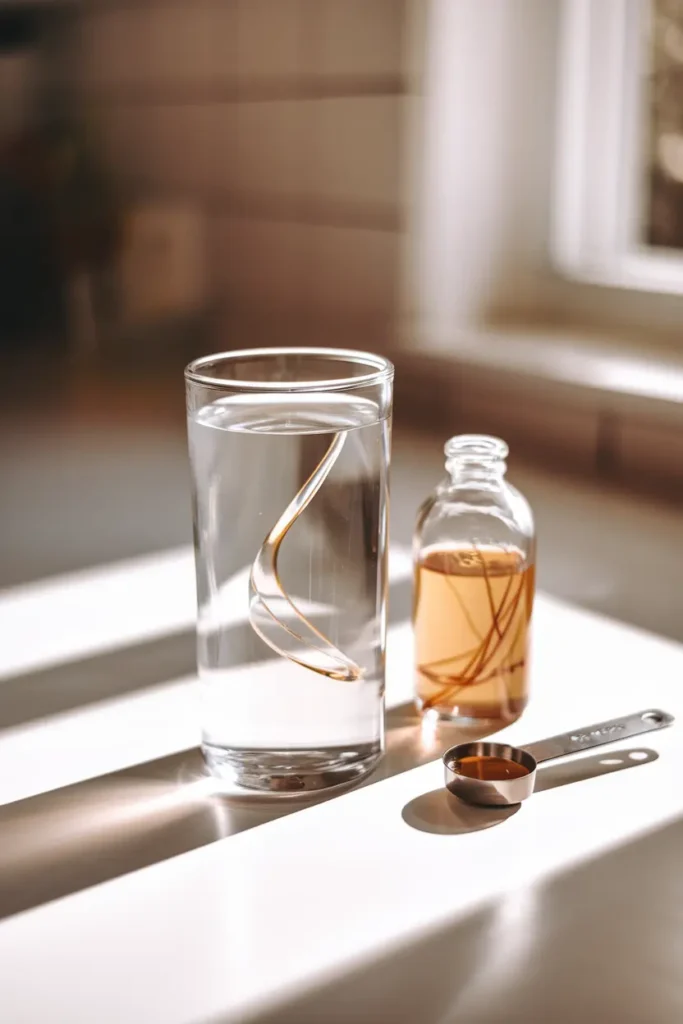
This is one of the most talked-about reflux remedies online, but it’s worth knowing upfront: there’s no strong clinical evidence that it helps, and because it’s acidic, it can actually make symptoms worse for some people, especially if reflux is already moderate to severe.
If you’re curious to test it for yourself, always dilute it heavily (about a teaspoon in a full glass of water, never straight), and stop right away if you notice more burning rather than less.
This one is genuinely a “your mileage may vary” experiment, not a reliable fix.
Managing acid reflux is rarely about finding one magic fix; it’s usually a combination of small, consistent habits (like how you sleep and eat) alongside a few gentle remedies you test out for yourself.
Some of the options on this list, like elevating your bed or avoiding trigger foods, have solid research behind them.
Others, like ginger tea or DGL licorice, are more “worth a try and see” than guaranteed relief.
Pay attention to what actually helps your body, and don’t be afraid to drop what doesn’t.
This article is for general informational purposes only and is not a substitute for professional medical advice, diagnosis, or treatment. Natural remedies discussed here have varying levels of scientific support. Always talk to your doctor before starting any new remedy, especially if you’re pregnant, nursing, on medication, or have a chronic condition. If you experience frequent heartburn (more than twice a week), difficulty swallowing, unintentional weight loss, or chest pain, seek medical attention promptly.