Vaginal dryness is one of those topics women often suffer through quietly, even though it’s incredibly common and nothing to feel embarrassed about.
Whether it’s tied to menopause, breastfeeding, medication side effects, or just changes in your body over time, the discomfort, itching, and pain during intimacy that come with vaginal dryness deserve real solutions, not silence.
The good news: research on non-hormonal and natural approaches to vaginal dryness has grown substantially in recent years, and several remedies now have real clinical evidence behind them.
This guide walks through what causes vaginal dryness, which natural remedies have science-backed support, and when it’s time to see a doctor.
Note: This article is for general education and is not a substitute for medical advice. See the disclaimer section below.
What Causes Vaginal Dryness?
Vaginal dryness happens when the tissues of the vagina and vulva don’t produce enough natural lubrication, often because they’re becoming thinner and less elastic.
Several factors can contribute:
Hormonal Changes
Estrogen is the primary hormone responsible for keeping vaginal tissue healthy, moist, and elastic.
When estrogen drops — during perimenopause and menopause, postpartum, or while breastfeeding — vaginal dryness is one of the most common results.
According to the Mayo Clinic, estrogen levels also fluctuate throughout the monthly cycle, and levels are naturally lower in the days just before and after menstruation, which can cause temporary dryness even in younger, cycling women.
Medications
A number of common medications can reduce natural lubrication as a side effect.
Per Mayo Clinic and Banner Health, these include antihistamines and decongestants (which narrow blood vessels and can dry out mucous membranes throughout the body, not just the sinuses), certain antidepressants (particularly SSRIs, which are linked to sexual side effects in a large share of users), low-dose hormonal birth control, and cancer treatments such as chemotherapy or anti-estrogen therapies.
If you suspect a medication is the cause, don’t stop taking it on your own — talk to your prescriber about alternatives first.
Other Contributing Factors
Smoking, alcohol use, high stress levels, and certain autoimmune conditions such as Sjögren’s syndrome can also interfere with natural lubrication.
Chronic stress affects hormone balance and blood flow, both of which play a role in vaginal moisture.
Douching, scented soaps, and other irritating products can compound the problem by disrupting the vagina’s natural pH and microbiome.
Natural Remedies for Vaginal Dryness
Here are the natural approaches with the most evidence behind them, along with honest notes on limitations and safety.
1. Hyaluronic Acid Vaginal Gel
Hyaluronic acid (HA) is one of the most well-studied non-hormonal options available.
It’s a substance your body already produces, known for binding water and retaining moisture, which is why it’s also a staple in skincare.
Multiple clinical studies support its use specifically for vaginal dryness.
A systematic review covering nine separate studies found that hyaluronic acid improved dryness, itching, and sexual function in postmenopausal women, with several studies also reporting improvement in burning sensations.
Separate randomized trials, including one comparing HA to vaginal estrogen, found that over 90% of participants reported improvement with no serious side effects.
HA-based gels have also shown benefit in cancer survivors who cannot use hormonal treatments.
How to use it: HA vaginal gels or suppositories are typically applied a few times per week, not just before sex. Look for products specifically formulated for internal vaginal use.
2. Vitamin E Suppositories
Vitamin E is a fat-soluble antioxidant that may help protect and repair the vaginal lining.
A systematic review of randomized controlled trials found that vitamin E vaginal suppositories significantly reduced genitourinary symptoms compared to placebo.
In one trial of 150 postmenopausal women, a combination suppository containing vitamin E, vitamin A, and hyaluronic acid improved dryness within four weeks.
Another study comparing 100 IU vitamin E suppositories to conjugated estrogen cream found measurable improvement in vaginal tissue health with the vitamin E group, though estrogen therapy generally has stronger and more consistent evidence overall.
How to use it: Vitamin E suppositories are usually inserted vaginally, often at bedtime, and allowed to dissolve.
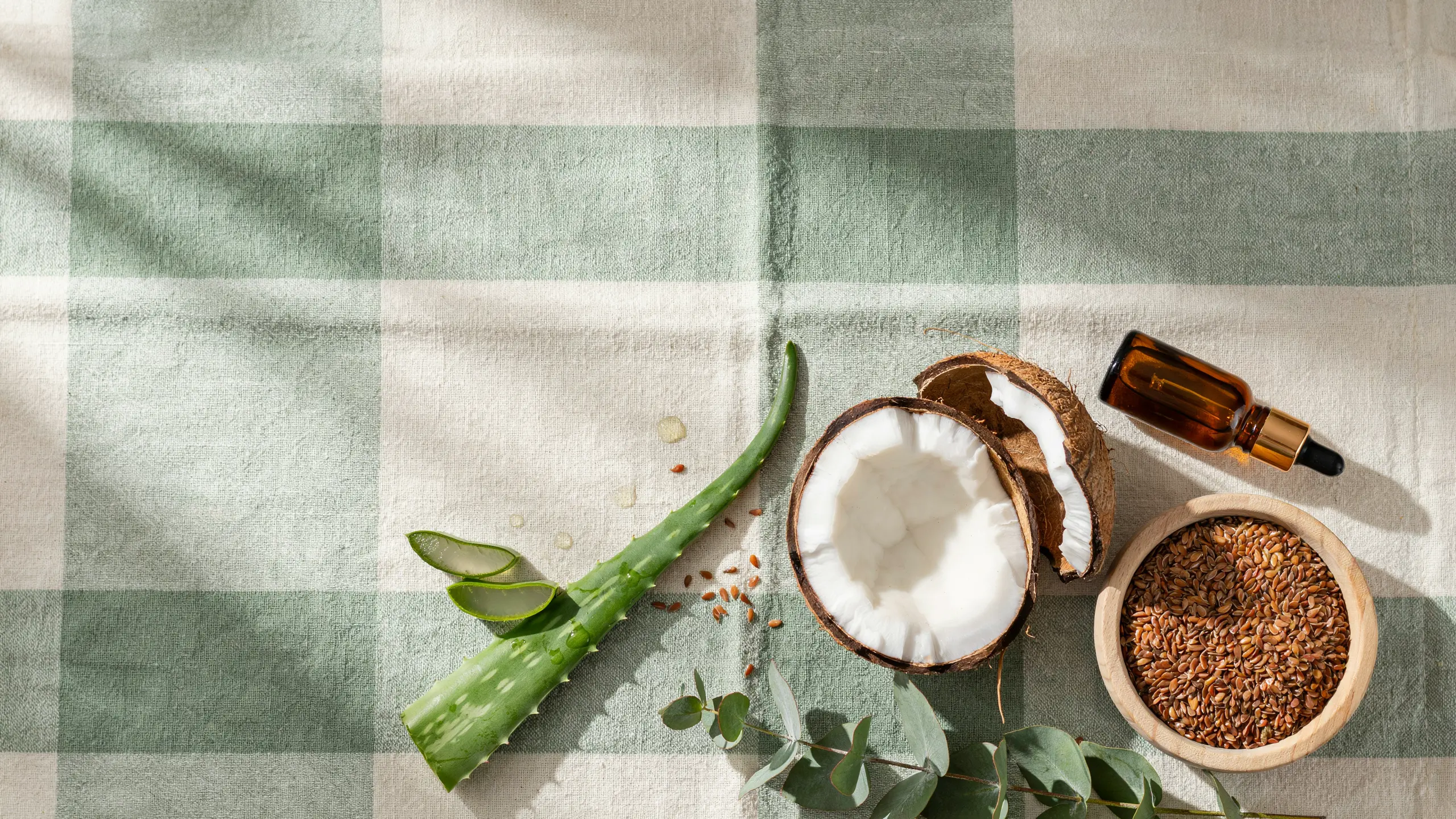
3. Aloe Vera Gel (Pure, Fragrance-Free)
Aloe vera has a long history of traditional use for skin irritation, and there’s a growing (though still modest) body of clinical research specifically on vaginal application.
A randomized, double-blinded controlled trial found aloe vera vaginal cream was comparably effective to estrogen vaginal cream for managing symptoms of vaginal atrophy in menopausal women.
That said, several reviewers note that the overall evidence base remains limited, with small sample sizes and a need for larger trials before aloe vera can be considered a first-line treatment on par with vaginal-specific moisturizers.
How to use it: If you try aloe vera, use pure, fragrance-free aloe vera gel intended for sensitive or intimate skin, and apply it externally first to check for irritation. Many commercial aloe products contain added fragrances or alcohol that can worsen irritation — read labels carefully.
4. Natural Oils (With Important Caveats)
Coconut oil, olive oil, and similar natural oils are commonly recommended as inexpensive, fragrance-free lubricant alternatives, and organizations like the Cleveland Clinic list coconut oil among acceptable natural options for external use.
However, there are real caveats worth knowing:
- Not condom-safe. Oil-based lubricants break down latex, making latex condoms more likely to fail. If you use condoms for contraception or STI protection, stick to water- or silicone-based products, or switch to polyurethane or nitrile condoms.
- May affect vaginal pH. Coconut oil is alkaline, while a healthy vagina is naturally acidic. Some clinicians note this can potentially disrupt the vaginal microbiome and increase susceptibility to yeast infections or bacterial vaginosis in women who are prone to them.
- Best for external use. Applying coconut oil externally to the vulva for dryness and irritation has more support than using it internally as a regular vaginal moisturizer, where its effects are less studied.
One small pilot study on coconut oil in paste form for painful intercourse related to vaginal dryness reported positive patient-reported outcomes, but the study was small, uncontrolled, and excluded anyone using latex condoms — so it should be read as preliminary rather than definitive.
Bottom line: if you want to try a natural oil, choose unrefined, organic coconut oil or olive oil, patch-test on skin first, avoid it if you’re prone to yeast infections, and never pair it with latex condoms.
5. Dietary Phytoestrogens (Soy and Flaxseed)
Phytoestrogens are plant compounds — found mainly in soybeans (isoflavones) and flaxseed (lignans) — that have a mild estrogen-like effect in the body.
This is one of the more evidence-backed dietary approaches for menopause-related vaginal dryness specifically.
A 2026 systematic review and meta-analysis of 13 randomized controlled trials (1,325 participants) found that soy isoflavone supplementation significantly improved vaginal dryness scores in postmenopausal women, with effects noted as more pronounced in populations that metabolize isoflavones more efficiently.
An earlier systematic review of 17 trials similarly found soy isoflavones improved vaginal dryness, irritation, and pain during intercourse compared to control groups.
Flaxseed has shown promise in several smaller randomized trials as well, with multiple studies linking flaxseed supplementation to reduced vaginal dryness and hot flashes over 3-month periods, and one trial noting flaxseed produced a greater shift in estrogen metabolism than an equivalent amount of soy.
How to use it: Whole-food sources like edamame, tofu, tempeh, miso, and ground flaxseed (around 1 tablespoon, or roughly 5 grams, daily in some studies) are generally considered safer starting points than concentrated supplements. If you have a personal or family history of hormone-sensitive cancers, talk to your doctor before adding concentrated phytoestrogen supplements to your routine, as this is an area where individualized medical guidance matters.
6. Vaginal Probiotics
The vaginal microbiome — dominated by beneficial Lactobacillus bacteria in healthy women — plays a role in maintaining vaginal pH and tissue health, and disruption of this balance is linked to some of the same symptoms that overlap with dryness, like irritation and abnormal discharge.
Research specifically on probiotics and dryness (as opposed to bacterial vaginosis) is still developing, but several randomized trials support probiotics for restoring vaginal microbiome balance more broadly.
A randomized, double-blind, placebo-controlled study of a multi-strain Lactobacillus vaginal suppository found significant improvement in vaginal health index scores in perimenopausal women compared to placebo.
How to use it: Both oral and vaginal probiotic formulations exist. If irritation or unusual discharge is part of what you’re experiencing alongside dryness, a probiotic approach may be worth discussing with a healthcare provider rather than guessing on your own, since dryness and infection can sometimes overlap or be confused for one another.
7. Stay Well-Hydrated
While drinking water alone won’t reverse hormone-driven vaginal dryness, adequate hydration supports overall mucous membrane health throughout the body, including vaginal tissue.
It’s a low-effort, no-downside habit worth maintaining alongside other remedies.
8. Avoid Common Irritants
Sometimes the most effective “remedy” is subtraction rather than addition. Scented soaps, bubble baths, douches, scented panty liners, and harsh laundry detergents can all strip or irritate delicate vaginal and vulvar tissue, worsening dryness and discomfort.
Clinical sources consistently recommend avoiding douching altogether, since it disrupts the natural, protective vaginal microbiome.
9. Regular Sexual Activity or Pelvic Blood Flow
Some clinical sources note that regular sexual activity (with adequate lubrication) may help maintain blood flow and tissue elasticity in the vaginal area over time, particularly in postmenopausal women.
This isn’t a cure on its own, and it should never be uncomfortable — pair it generously with a good lubricant.
10. Water- or Silicone-Based Lubricants for Intimacy
For dryness specifically during sex, dedicated lubricants (as opposed to moisturizers used regularly) are the most direct fix.
The Cleveland Clinic recommends water-based lubricants as generally the least irritating option and safe with all condom types, while silicone-based lubricants last longer and are also condom-safe.
These aren’t “remedies” in the sense of treating the underlying cause, but they’re an important, low-risk part of managing symptoms day to day.
11. Manage Stress
Because chronic stress can influence hormone balance and blood flow, stress-reduction practices — whether that’s exercise, mindfulness, therapy, or simply better sleep — may indirectly support vaginal health alongside other remedies.
This is supportive rather than curative, but it’s a piece worth not overlooking.
12. Quit Smoking
Smoking interferes with estrogen function in the body and has been specifically linked to reduced vaginal lubrication in clinical literature.
If you smoke, this is one of the more impactful long-term changes you can make for vaginal (and overall) health.
When to See a Doctor
Natural remedies can meaningfully help mild to moderate vaginal dryness, but they aren’t a substitute for medical care in every situation.
See a doctor or gynecologist if you experience:
- Dryness that doesn’t improve after a few weeks of home care
- Pain, bleeding, or unusual discharge alongside dryness
- Signs of infection, such as a strong odor, unusual color of discharge, or intense itching
- Dryness severe enough to affect daily comfort, not just intimacy
- Dryness following cancer treatment, surgery, or a new medication
A healthcare provider can rule out infections or other conditions, and can also discuss options like low-dose vaginal estrogen, DHEA suppositories, or prescription non-hormonal treatments if natural remedies aren’t enough.
This is especially important for women with a history of hormone-sensitive cancers, who need individualized guidance on which treatments — natural or hormonal — are safe for their specific situation.
A Gentle Reminder
Vaginal dryness is common, treatable, and nothing to be ashamed of.
It affects women at every life stage, not just during menopause, and effective options exist whether you prefer natural approaches, medical treatments, or a combination of both.
Be patient with your body, introduce one new remedy at a time so you can tell what’s working, and don’t hesitate to loop in a healthcare provider if things don’t improve.
References:
- Mayo Clinic Health System. “Vaginal dryness: Symptoms, remedies.” mayoclinichealthsystem.org
- Mayo Clinic News Network. “Mayo Clinic Q and A: Managing vaginal dryness.” newsnetwork.mayoclinic.org
- Banner Health. “Are Medications Affecting Your Vaginal Health?” bannerhealth.com
- Cleveland Clinic. “Vaginal Dryness: Causes, Symptoms & Treatment.” my.clevelandclinic.org
- Cleveland Clinic. “What Can You Use Instead of Lube?” health.clevelandclinic.org
- Cleveland Clinic. “Coconut Oil as Lube: Risks and Benefits.” healthline.com/health/coconut-oil-sex (Healthline, medically reviewed)
- Evvy. “Hyaluronic Acid for Vaginal Dryness: Treatment & How to Use.” evvy.com
- Chen, J. et al. “A randomized, pilot trial comparing vaginal hyaluronic acid to…” Menopause, journals.lww.com, 2024
- “A single-arm, prospective trial investigating the effectiveness of a non-hormonal vaginal moisturizer containing hyaluronic acid in postmenopausal cancer survivors.” PubMed, pubmed.ncbi.nlm.nih.gov/32358778
- “A Single-Arm Clinical Trial Investigating the Effectiveness of a Non-Hormonal, Hyaluronic Acid-Based Vaginal Moisturizer in Endometrial Cancer Survivors.” PMC, pmc.ncbi.nlm.nih.gov/articles/PMC7423634
- “Comparison of the Efficacy of Vaginal Hyaluronic Acid to Estrogen for the Treatment of Vaginal Atrophy in Postmenopausal Women: A Systematic Review.” PMC, ncbi.nlm.nih.gov/pmc/articles/PMC10520994
- Nappi, R.E. et al. “Hyaluronic acid: a valid therapeutic option for early management of genitourinary syndrome of menopause in cancer survivors?” Healthcare (Basel), 2022. PMC, ncbi.nlm.nih.gov/pmc/articles/PMC9408661
- “Vaginal Vitamin E for Treatment of Genitourinary Syndrome of Menopause: A Systematic Review of Randomized Controlled Trials.” PMC, pmc.ncbi.nlm.nih.gov/articles/PMC9086347
- “A survey of the therapeutic effects of Vitamin E suppositories on vaginal atrophy in postmenopausal women.” PubMed, pubmed.ncbi.nlm.nih.gov/27904630
- “A survey of the therapeutic effects of Vitamin E…” Iranian Journal of Nursing and Midwifery Research, journals.lww.com
- “Aloe Vera; A new treatment for atrophic vaginitis, A randomized double-blinded controlled trial.” ScienceDirect, sciencedirect.com/science/article/abs/pii/S0378874120336485
- “Virgin Coconut Oil in Paste Form as Treatment for Dyspareunia and Vaginal Dryness in Patients With and Without Rheumatic Autoimmune Diseases: An Efficacy and Safety Assessment Pilot Study.” PMC, ncbi.nlm.nih.gov/pmc/articles/PMC10350307
- “Soy isoflavone supplementation and sexual function in postmenopausal women: a systematic review and meta-analysis of randomized controlled trials.” International Journal of Impotence Research, Nature, nature.com/articles/s41443-026-01278-9
- University of Wisconsin Integrative Health. “Phytoestrogens” (clinical tool/reference sheet). fammed.wisc.edu
- U.S. Department of Veterans Affairs Whole Health Library. “Phytoestrogens.” va.gov/WHOLEHEALTHLIBRARY/tools/phytoestrogens.asp
- “Effects of Phytoestrogens in Alleviating the Menopausal Symptoms: A Systematic Review and Meta-Analysis.” PMC, pmc.ncbi.nlm.nih.gov/articles/PMC5963651
- “Dietary Status and the Effect of Flaxseed Supplementation on the Severity of Perimenopausal Symptoms.” PMC, pmc.ncbi.nlm.nih.gov/articles/PMC11953605
- Brooks, J.D., Ward, W.E., Lewis, J.E. “Supplementation with flaxseed alters estrogen metabolism in postmenopausal women to a greater extent than does supplementation with an equal amount of soy.” American Journal of Clinical Nutrition, 2004;79:318-25.
- “VagiBIOM Lactobacillus suppository improves vaginal health index in perimenopausal women with bacterial vaginosis: a randomized control trial.” Scientific Reports (Nature), nature.com/articles/s41598-024-53770-1
- “Lacticaseibacillus rhamnosus CA15 (DSM 33960) strain as a new driver in restoring the normal vaginal microbiota: A randomized, double-blind, placebo-controlled clinical trial.” PMC, ncbi.nlm.nih.gov/pmc/articles/PMC9869686
- “Randomized, double-blind, placebo-controlled study of oral lactobacilli to improve the vaginal flora of postmenopausal women.” ScienceDirect, sciencedirect.com/science/article/abs/pii/S0301211508002388